
Aftermarket Tractor Rims: What You Really Need to Know
Having spent a good number of years in the industrial equipment sector, I can tell you that the aftermarket tractor rims market is more layered than most folks realize. You might think a rim is just a rim—metal, round, holds the tire—but oddly enough, the details matter quite a bit, especially if you're trying to get dependable performance under tough farm conditions.
Let’s start with the basics, then I’ll sprinkle in a bit of what I’ve seen firsthand. Aftermarket tractor rims essentially replace or upgrade the original rims on tractors. Why bother? Well, sometimes the OEM rims aren’t available, or farmers want a specific size, better durability, or even cost savings. In real terms, aftermarket rims can be a game-changer if you pick the right ones.
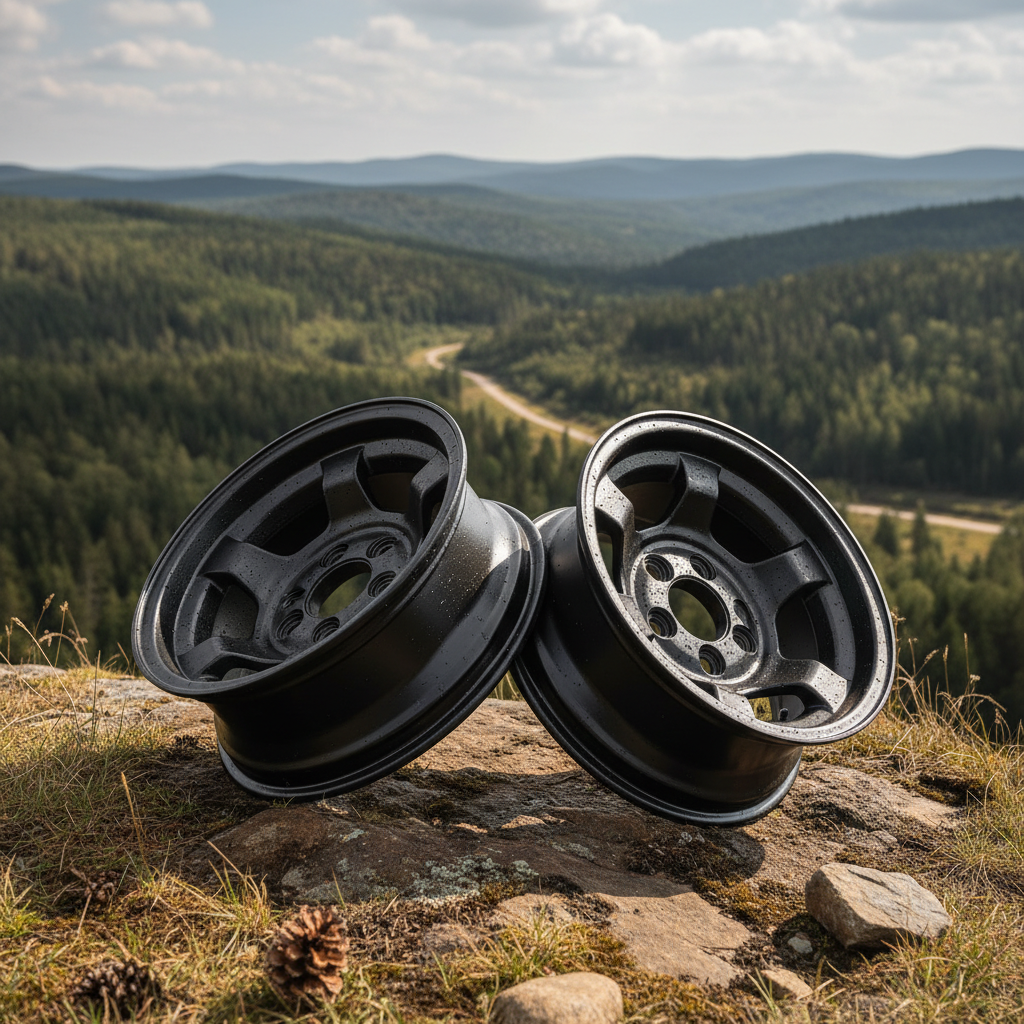
Material and design are where things start to diverge in aftermarket options. Most rims are made of steel, obviously, but the type and thickness can vary. Many engineers say high-quality aftermarket rims use heat-treated steel, improving strength and resistance to dents or warping. That’s crucial when you’re out in muddy fields or hauling heavy loads. It feels like small differences in materials can mean the difference between a rim that lasts 5 years or one that struggles past a season.
Another thing worthy of mention — the manufacturing standards. Take testing for example; reputable aftermarket suppliers often put their rims through stringent checks, like tensile strength and balance tests, to ensure safety and performance. I recall a customer once switching to better-tested aftermarket rims, and they noticed less vibration and improved tire wear almost immediately. Makes sense, right? Less wobble means less strain on the entire wheel assembly.
Customization is an interesting angle here too. Some farmers need special offsets or bolt patterns, especially if they’re upgrading older models. Thankfully, several aftermarket vendors offer tailored solutions. That's not always the case with OEM parts, which tend to have limited configuration choices. This flexibility allows users to optimize their tractors for specific soil conditions or crop types.
Let’s look at a quick product spec snapshot for one of the popular aftermarket tractor rims:
| Specification | Details |
|---|---|
| Material | Heat-treated carbon steel |
| Size Range | 15-38 inches diameter |
| Bolt Pattern | Common 6-hole & 8-hole options |
| Finish | Powder-coated for corrosion resistance |
| Weight | Approx. 45-70 lbs depending on size |
| Warranty | 1 year limited warranty |
Of course, not all aftermarket tractor rims are created equal. Here's a quick comparison of three notable vendors, based on specs, price, and reputation:
| Vendor | Price Range (USD) | Material Quality | Customization | Warranty |
|---|---|---|---|---|
| Smith Agririms | $120 - $280 | High-grade steel, heat-treated | Limited (standard sizes only) | 1 year |
| Changshu OKJ Aftermarket Tractor Rims | $140 - $300 | Heat-treated carbon steel, powder-coated | Highly customizable bolt patterns & sizes | 1 year, with option to extend |
| GreenWheel Supply | $100 - $250 | Standard steel, less heat treatment | Minimal customization | 6 months |
In my experience, it pays off to invest a bit more upfront. Especially when you consider downtime costs on a working farm. A rim failure mid-season can mean waiting days for replacements and lost productivity. Oddly enough, many operators overlook this until it's too late. I always advise clients to check out rim thickness, finish quality, and vendor support before pulling the trigger.
You know, one small anecdote comes to mind — a family-run farm I worked with last year switched to aftermarket rims from Changshu OKJ. They wanted specific bolt patterns for some older tractor models. The transition was smooth, and over the next planting season, they reported better handling and less tire damage. Frankly, that’s the kind of validation I look for beyond just specs on paper.
So if you’re in the market for aftermarket tractor rims, remember: quality, fit, and vendor reputation really count. Don’t just chase the cheapest option. Instead, find suppliers who understand agricultural demands and offer solid warranties. And if you’re curious, it’s always worth contacting experts or visiting product pages to see detailed specs before buying.
Hope this gives you a clearer picture of the aftermarket tractor rims space. It’s a blend of metallurgy, engineering, and practical farm life.
Takeaway: Quality aftermarket tractor rims do more than just hold tires — they keep you moving ahead, season after season.
References
- Industry reports on agricultural equipment durability, 2023
- Field interviews with farm equipment engineers, 2022
- Warranty & product literature from leading aftermarket rim manufacturers
Post time: Jan . 03, 2026 07:35