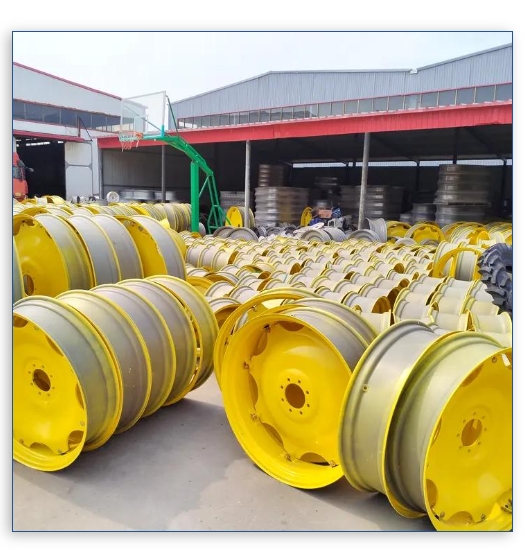

Agriculture Tires and Rims: A Comprehensive Guide
Choosing the right tires and rims for your agricultural equipment is crucial for productivity, efficiency, and safety. At Changshu OKJ, we specialize in providing high-quality agriculture tires and rims designed to withstand the demands of modern farming. This article will explore the key considerations when selecting tires and rims, different types available, and how to optimize performance for your specific agricultural needs. Properly fitted tires and rims contribute significantly to reducing soil compaction, improving traction, and minimizing operational costs.
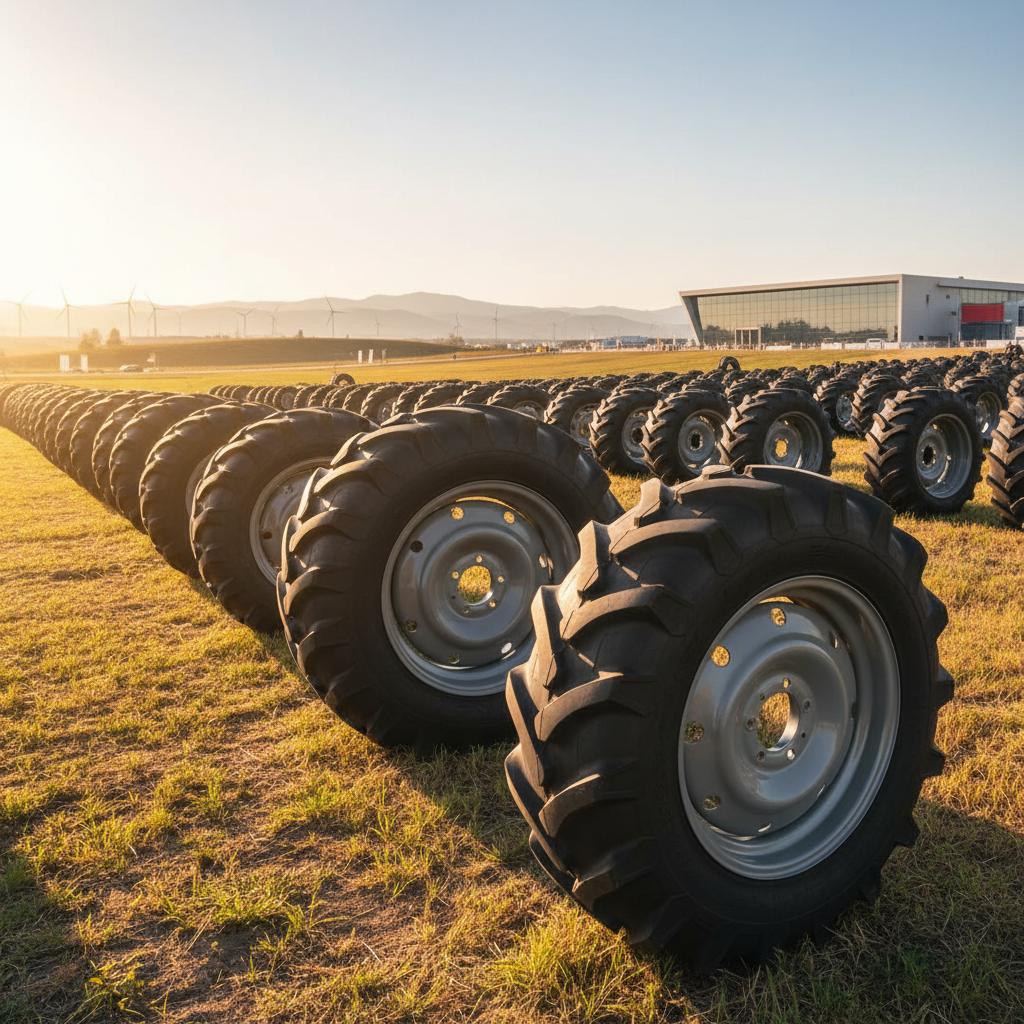
Understanding the Importance of Agriculture Tires and Rims
The combination of tires and rims directly impacts several critical aspects of agricultural operations. Tires provide the crucial contact point between the machinery and the ground, influencing traction, flotation, and ride comfort. Rims, on the other hand, support the tire and affect its overall shape and performance. Choosing the correct tire and rim combination minimizes soil compaction, which is essential for maintaining soil health and promoting optimal crop yields. Furthermore, efficient traction reduces slippage, saving fuel and increasing productivity. Changshu OKJ offers a wide range of options to suit diverse agricultural applications.
Key Benefits: Minimizing soil compaction, improving traction, reducing fuel consumption, and enhancing operator comfort are all benefits of selecting the right tires and rims.
Types of Agriculture Tires
Different agricultural tasks require different types of tires. Here's an overview of the most common options:
- Bias Ply Tires: Traditional tires known for their durability and lower cost. Suitable for general-purpose farming tasks.
- Radial Tires: Offer improved traction, fuel efficiency, and ride comfort compared to bias ply tires. Increasingly popular for modern agricultural applications.
- Tractor Tires: Designed for maximum traction and load-carrying capacity in various field conditions.
- Combine Tires: Engineered for high-speed operation and minimal soil compaction during harvest.
- Sprayer Tires: Optimized for flotation to reduce soil compaction when applying fertilizers and pesticides.
Tire Type Considerations:
• Bias ply tires are durable and cost-effective.
• Radial tires provide better traction and fuel efficiency.
• Specific tires cater to specialized equipment like combines and sprayers.
Agriculture Tires and Rims: A Comparison
Selecting the correct rim is as crucial as choosing the right tire. The rim influences the tire’s bead seat, sidewall stability, and overall performance. Here's a comparison of common rim types:
Selecting the Right Size and Load Rating
Proper sizing and load rating are paramount for safety and performance. Using tires and rims that are too small or have an insufficient load rating can lead to tire failure, equipment damage, and potential accidents. Always consult your equipment manufacturer's specifications and adhere to the recommended tire and rim sizes and load ratings. Changshu OKJ’s experts can provide guidance and ensure you select the optimal combination for your needs.
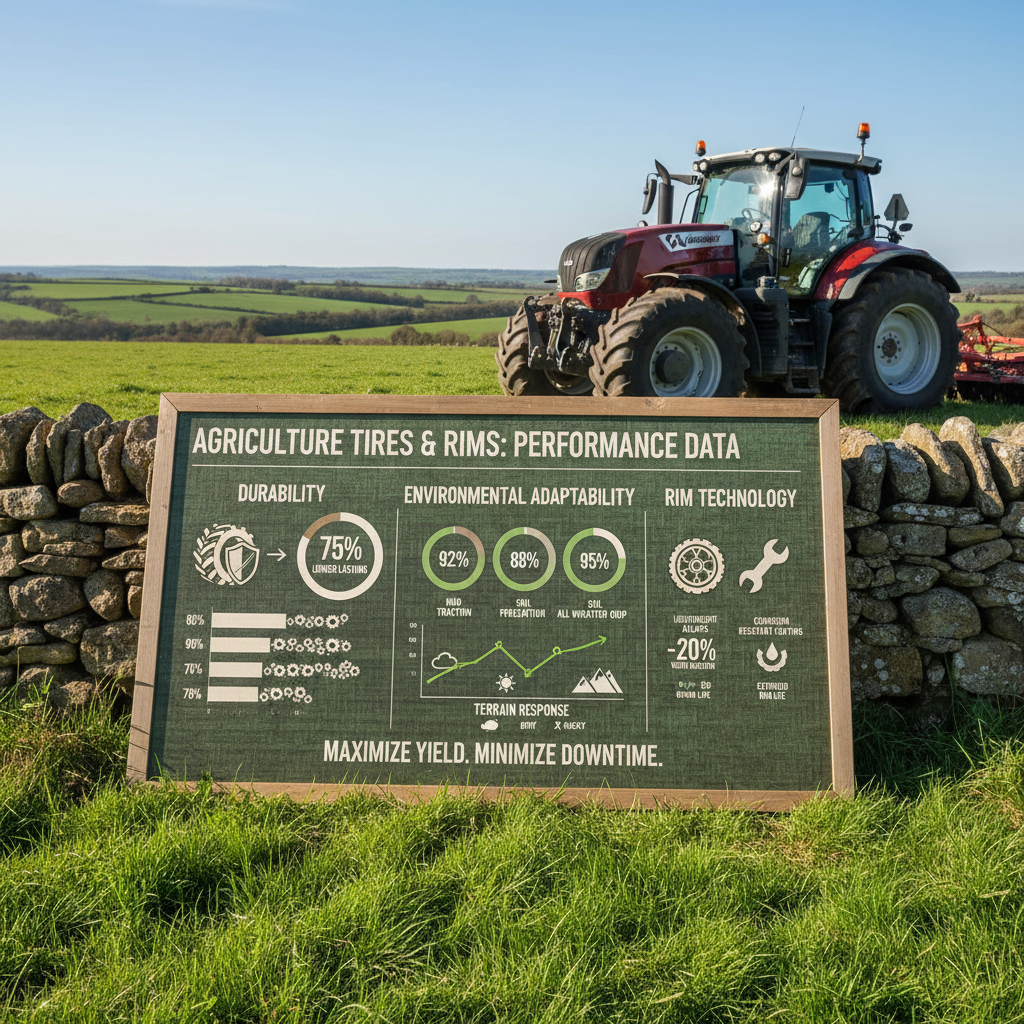
Maintaining Your Agriculture Tires and Rims
Regular maintenance extends the lifespan of your tires and rims and ensures optimal performance. Key maintenance practices include:
- Checking Tire Pressure: Maintain the recommended tire pressure as specified by the manufacturer.
- Inspecting for Damage: Regularly inspect tires for cuts, bulges, and other signs of damage.
- Proper Storage: Store tires in a cool, dry place away from direct sunlight.
- Wheel Alignment: Ensure proper wheel alignment to minimize uneven wear.
Conclusion: Investing in Quality for Agricultural Success
Choosing the right agriculture tires and rims is an investment in the efficiency, productivity, and safety of your farming operations. Changshu OKJ is committed to providing high-quality products and expert guidance to help you make the best decisions for your specific needs. Contact us today to learn more and find the perfect tires and rims for your agricultural equipment.
Frequently Asked Questions (FAQs)
What is the recommended tire pressure for agricultural tires?
The recommended tire pressure varies depending on the tire size, load, and application. Always refer to the tire manufacturer’s specifications and your equipment’s operator manual. Underinflation can lead to increased soil compaction and tire wear, while overinflation can result in a harsh ride and reduced traction. It is generally recommended to adjust tire pressure based on field conditions and load requirements. At Changshu OKJ, we can help you determine the optimal tire pressure for your specific needs.
How often should I replace my agricultural tires?
The lifespan of agricultural tires depends on several factors, including usage intensity, operating conditions, and tire type. As a general guideline, tires should be replaced every 5-7 years, or sooner if they exhibit signs of significant wear, damage (cuts, bulges), or reduced tread depth. Regularly inspecting your tires and addressing any issues promptly can extend their lifespan and ensure safe operation.
What are the benefits of using radial tires over bias ply tires?
Radial tires offer several advantages over bias ply tires, including improved traction, greater fuel efficiency, increased ride comfort, and reduced soil compaction. The radial construction allows for a more flexible sidewall and a more stable tread, resulting in better performance in various field conditions. While radial tires are generally more expensive upfront, their long-term benefits often outweigh the initial cost.
How can I minimize soil compaction with the right tire selection?
Choosing tires with a large footprint and lower inflation pressure can significantly reduce soil compaction. Flotation tires, specifically designed for sprayer applications, are an excellent choice for minimizing ground pressure. Additionally, using radial tires instead of bias ply tires can also help distribute weight more evenly and reduce compaction. Proper tire maintenance, including regular pressure checks, is crucial for maximizing flotation and minimizing soil damage.
Post time: Mar . 07, 2026 02:35