
Choosing the Right ag tires 15 inch rims: A Comprehensive Guide
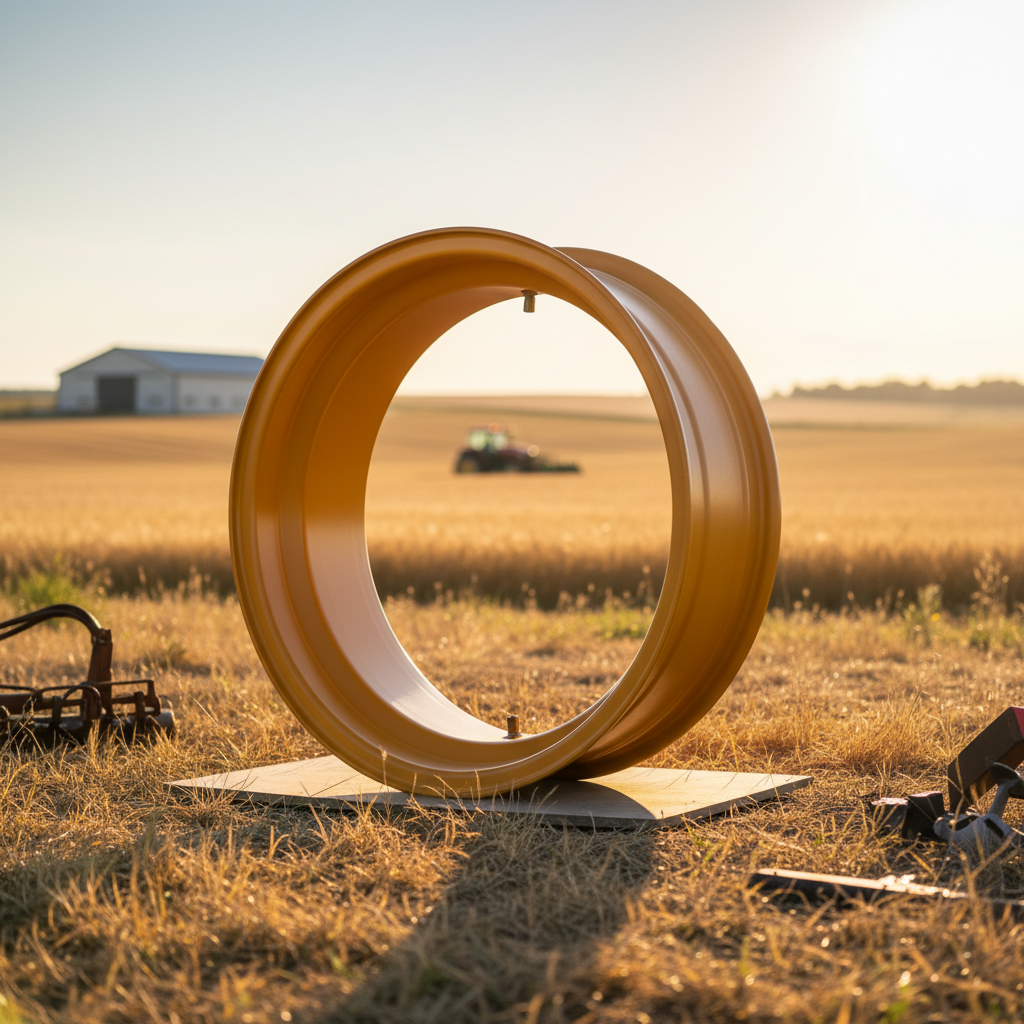
Selecting the appropriate ag tires 15 inch rims is crucial for maximizing your agricultural equipment's performance and efficiency. These rims, paired with suitable tires, are vital for traction, stability, and overall productivity in various farming applications. This article will delve into the key considerations when choosing these rims, covering everything from material types and load capacity to ensuring compatibility with your machinery. We will explore the benefits of choosing high-quality rims and how they contribute to a better return on investment. Changshuokj offers a wide range of options to meet your specific needs.
Understanding the Different Types of Ag Tires 15 Inch Rims
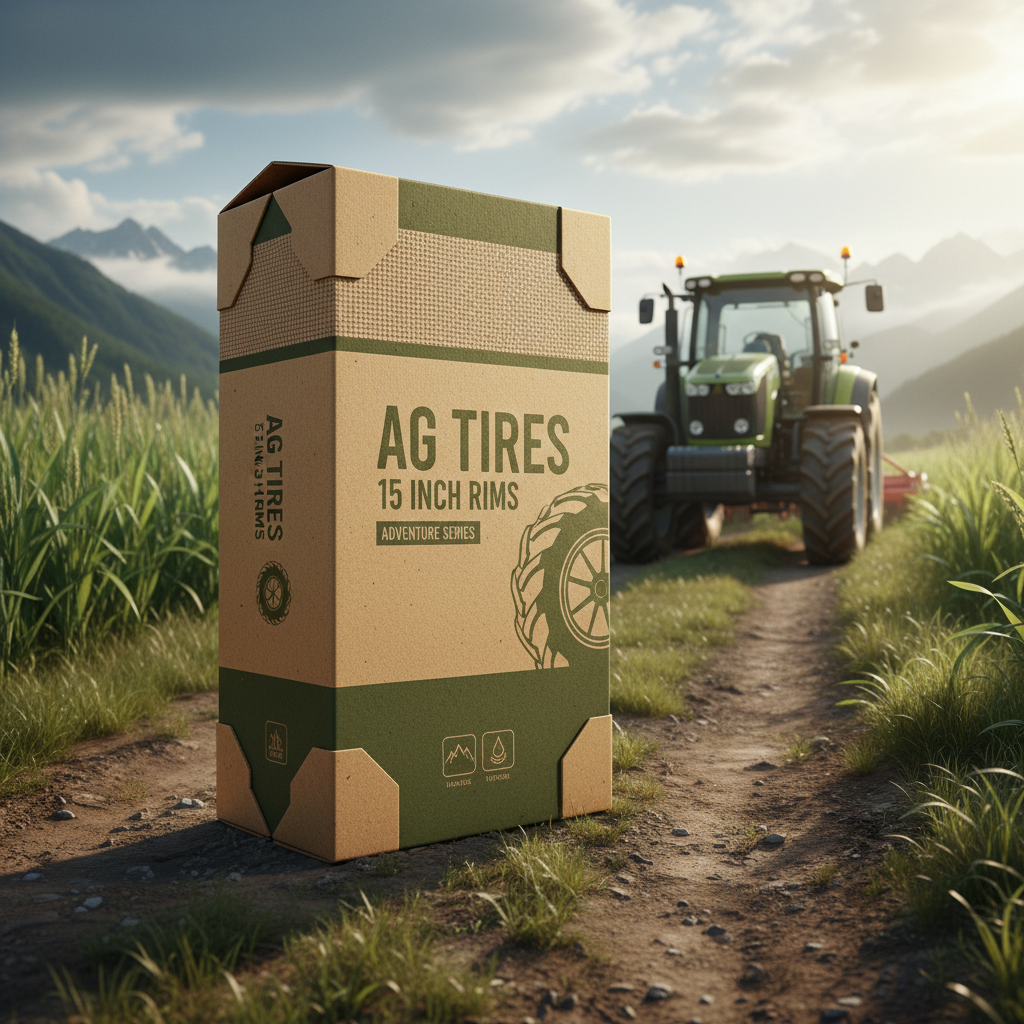
When it comes to ag tires 15 inch rims, several material options are available, each with its own strengths and weaknesses. Steel rims are the most common due to their durability and cost-effectiveness. Aluminum rims, while more expensive, offer a significant weight reduction, leading to improved fuel efficiency and handling. Composite rims, a newer option, combine the benefits of both materials – strength and lightweight properties – but typically come with a higher price tag. Choosing the right material depends on your specific application, budget, and performance requirements. Changshuokj provides rims in all these materials.
Key Highlights: Understanding the different material options – steel, aluminum, and composite – is vital for selecting rims that align with your budget and performance needs.
Load Capacity and Tire Compatibility for 15-Inch Rims
The load capacity of your ag tires 15 inch rims is a critical factor. Ensure the rims are rated to handle the weight of your machinery and the load you’ll be carrying. Overloading rims can lead to bending, cracking, or even failure, posing a serious safety risk. Furthermore, confirm that the rims are compatible with the tires you intend to use. The rim diameter and width must match the tire specifications to ensure a proper fit and optimal performance. Carefully consult the tire manufacturer’s guidelines for recommended rim sizes. Changshuokj provides detailed specifications to guarantee compatibility.
Load Capacity Considerations:
• Always check the rim's maximum load rating.
• Account for the weight of the machinery and any added loads.
• Avoid exceeding the recommended load capacity.
Steel vs. Aluminum Ag Tires 15 Inch Rims: A Detailed Comparison
Choosing between steel and aluminum ag tires 15 inch rims often comes down to balancing cost, weight, and durability. Steel rims are more affordable and offer excellent strength, making them suitable for heavy-duty applications. However, they are heavier, which can negatively impact fuel efficiency and handling. Aluminum rims are lighter, improving fuel economy and maneuverability, but they are more expensive and potentially less resistant to impact damage. Consider your specific farming practices and prioritize the factors that are most important for your operations.
Proper Maintenance for Prolonging Rim Lifespan
Regular maintenance is key to maximizing the lifespan of your ag tires 15 inch rims. Inspect the rims regularly for any signs of damage, such as dents, cracks, or corrosion. Clean them thoroughly after each use to remove dirt, mud, and debris. Proper tire inflation is also crucial – under-inflated tires can cause excessive stress on the rims, leading to premature wear and tear. Finally, ensure that the lug nuts are properly tightened to prevent loosening and potential accidents. Changshuokj offers a range of cleaning and maintenance products for your rims.
Product Specifications & Compatibility
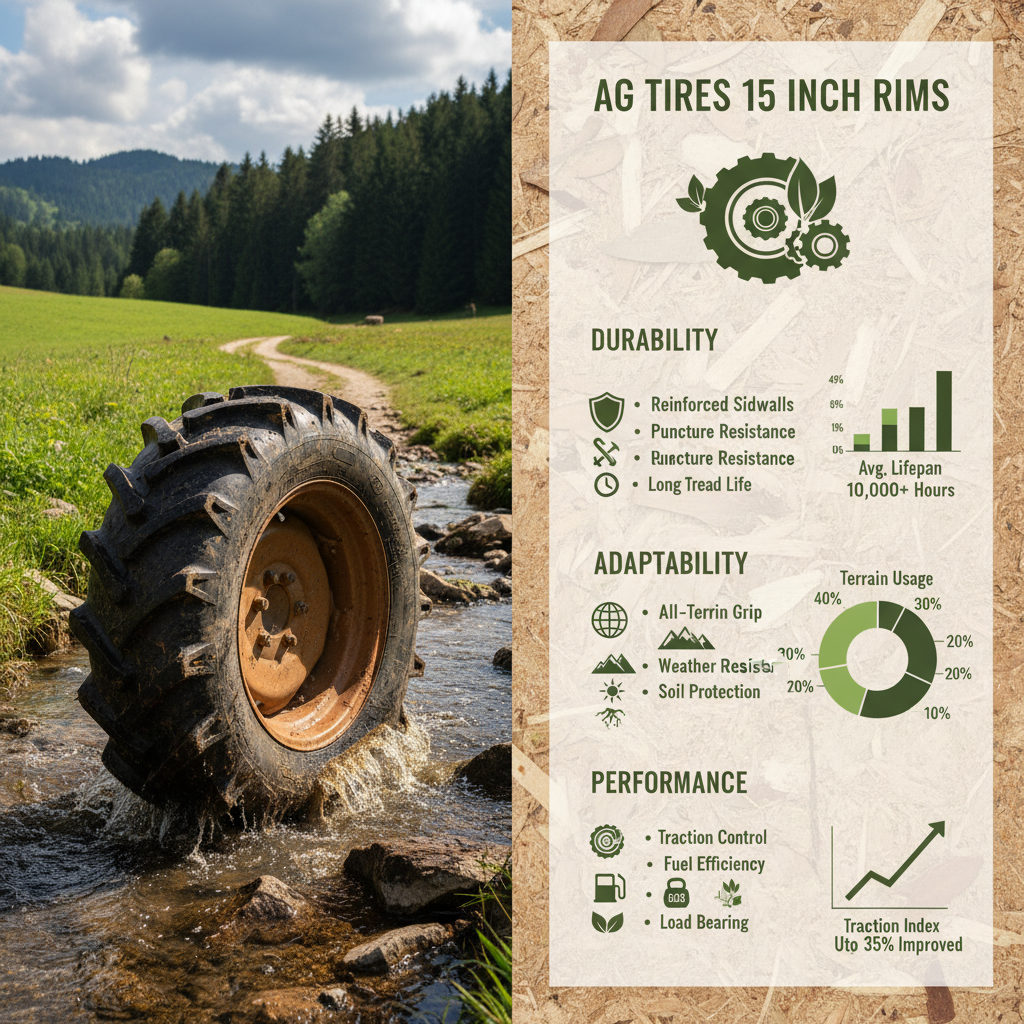
Understanding the detailed specifications of your ag tires 15 inch rims is essential for optimal performance. This includes diameter, width, bolt pattern, offset, and load capacity. Ensuring compatibility with your tractor or agricultural machinery is paramount. Refer to your equipment's manual or consult with a qualified technician to determine the correct specifications. Changshuokj provides detailed product specifications and compatibility information on our website.
Conclusion: Investing in Quality Ag Tires 15 Inch Rims
Choosing the right ag tires 15 inch rims is a crucial investment in the long-term performance and efficiency of your agricultural operations. By carefully considering factors like material, load capacity, and compatibility, you can ensure a safe and productive work environment. Changshuokj offers a comprehensive selection of high-quality rims to meet your specific needs.
Frequently Asked Questions (FAQs)
What is the recommended tire pressure for 15-inch agricultural rims?
The recommended tire pressure varies depending on the tire type, load, and field conditions. It's essential to consult the tire manufacturer’s specifications, which can usually be found on the tire sidewall or in the tire manual. Generally, lower tire pressures are preferred for increased traction in soft fields, while higher pressures are recommended for road transport. Regularly check and adjust the tire pressure to maintain optimal performance and prevent damage to the rims and tires. Using an accurate tire pressure gauge is crucial for precise measurements. Overinflation or underinflation can lead to uneven wear and reduce the overall lifespan of your tires.
How often should I inspect my ag tires 15 inch rims for damage?
Regular inspection is key to ensuring the safety and longevity of your rims. You should visually inspect them before each use, and conduct a more thorough inspection at least once a month. Look for signs of dents, cracks, corrosion, or any other damage. Pay close attention to the weld points and the areas around the lug nuts. If you notice any damage, have the rims inspected by a qualified technician and repaired or replaced as needed. Early detection of damage can prevent more serious problems down the road.
What is the best way to clean agricultural rims?
Cleaning agricultural rims regularly helps prevent corrosion and extends their lifespan. Use a mild detergent and water, along with a soft brush to remove dirt, mud, and debris. Avoid using harsh chemicals or abrasive cleaners, as these can damage the rim’s finish. Rinse thoroughly with clean water and dry completely. For stubborn stains, a specialized rim cleaner may be used, but always follow the manufacturer's instructions. Regularly applying a protective coating can also help prevent corrosion and maintain the rims’ appearance.
Are aluminum rims suitable for all types of agricultural work?
While aluminum rims offer advantages like lighter weight and improved fuel efficiency, they may not be ideal for all types of agricultural work. They are generally more susceptible to damage from impacts compared to steel rims. Therefore, they are best suited for applications where the risk of impact is low, such as road transport or light field work. For heavy-duty applications or work in rocky terrain, steel rims are often a more durable and reliable choice. Consider your specific operating conditions when selecting the right rim material.
Post time: Mar . 05, 2026 02:35