
Tractor Seat Replacement: A Comprehensive Guide
Replacing a worn or damaged tractor seat is essential for operator comfort and safety. A comfortable seat reduces fatigue during long hours of operation, while a secure and supportive seat contributes to better control and reduces the risk of accidents. This article will cover everything you need to know about tractor seat replacement, from choosing the right seat to the installation process. Understanding your options and following proper procedures will ensure a successful and safe upgrade for your tractor.
Identifying the Need for Tractor Seat Replacement
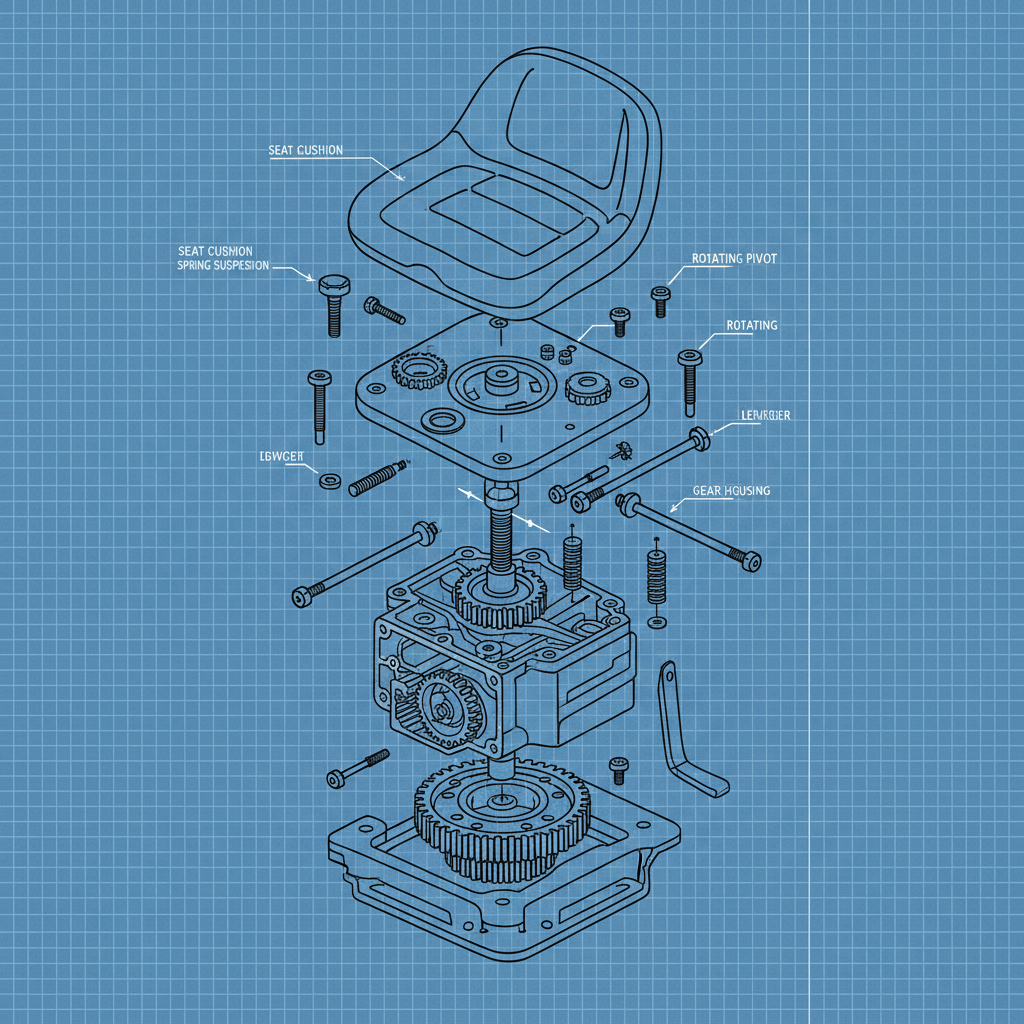
Several signs indicate it’s time to consider a tractor seat replacement. Visible damage like cracks, tears, or broken springs are obvious indicators. However, even without visible damage, discomfort during operation, reduced cushioning, or difficulty maintaining proper posture are strong signals. A seat that sags or feels unstable can also compromise safety. Regular inspection of your tractor seat is a proactive step towards preventing discomfort and potential hazards. Don’t wait until the damage is severe; addressing it early will save you time and money in the long run.
Key Indicators: Cracks, tears, broken springs, discomfort, reduced cushioning, instability, sagging.
Types of Tractor Seats Available
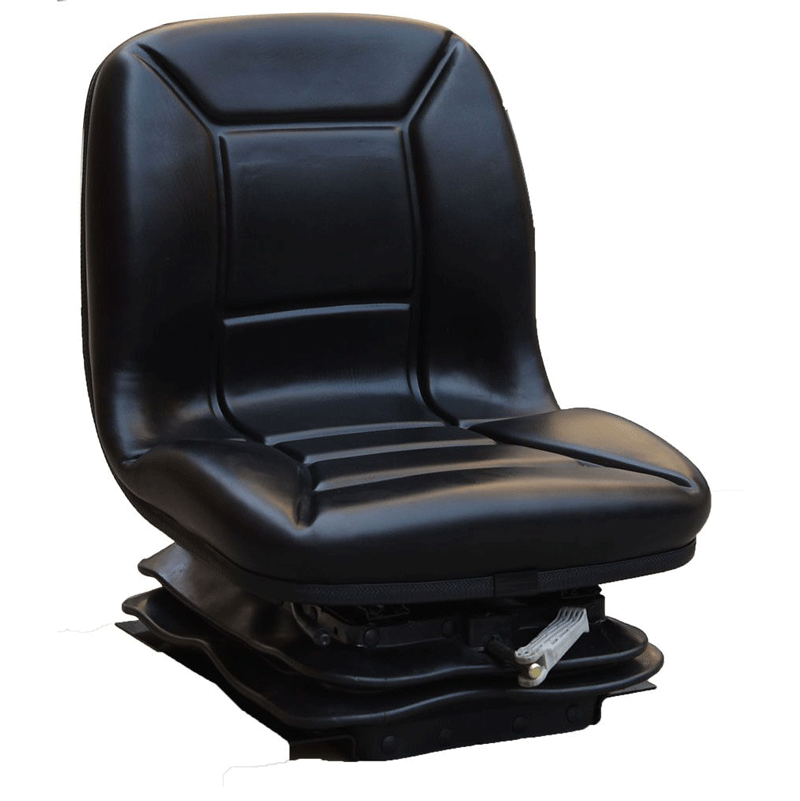
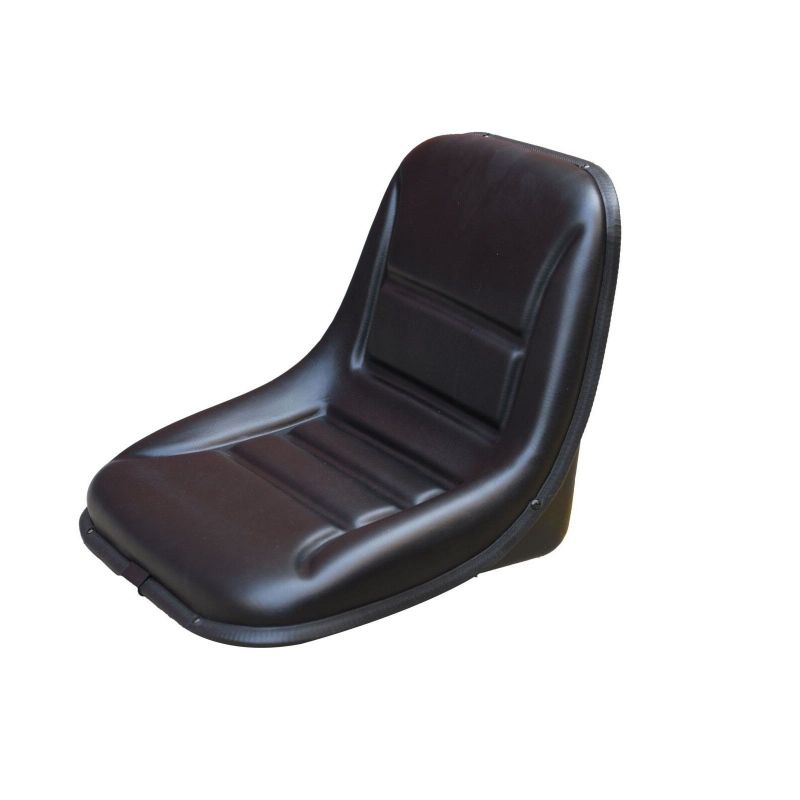
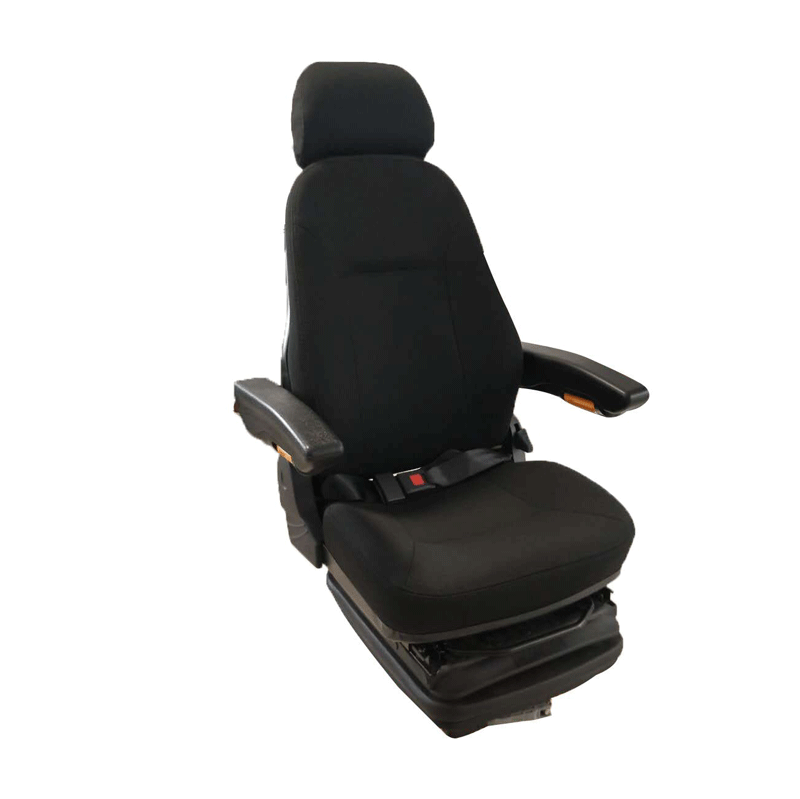
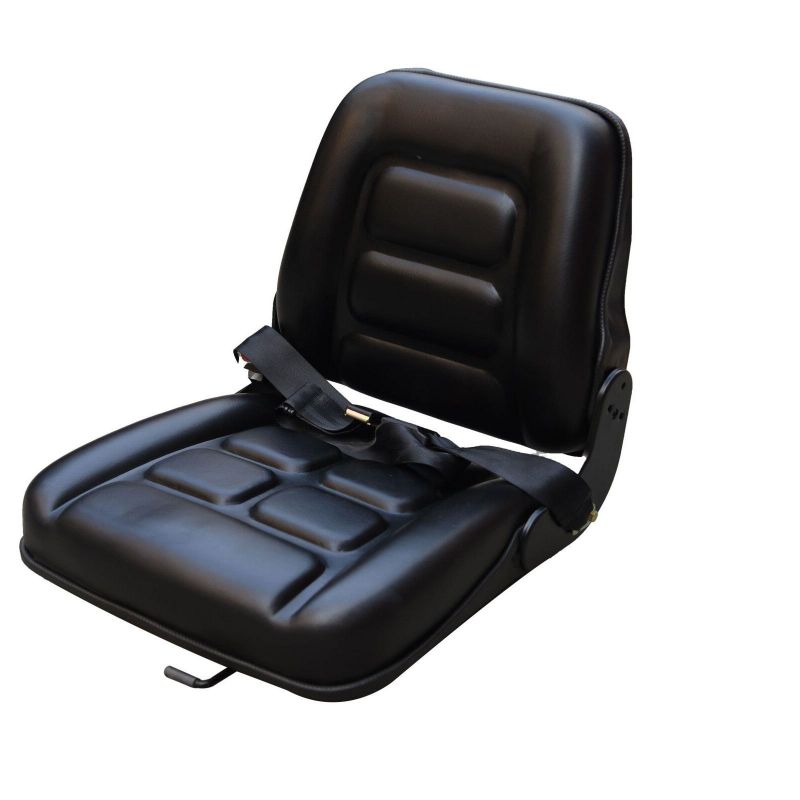
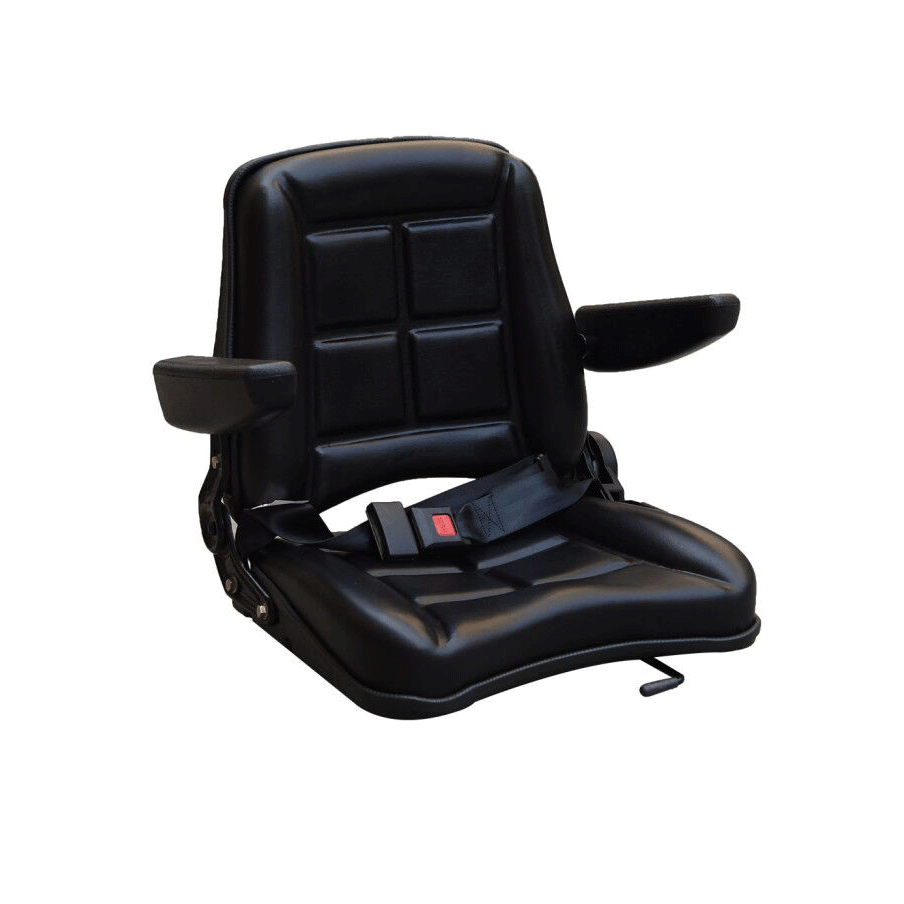
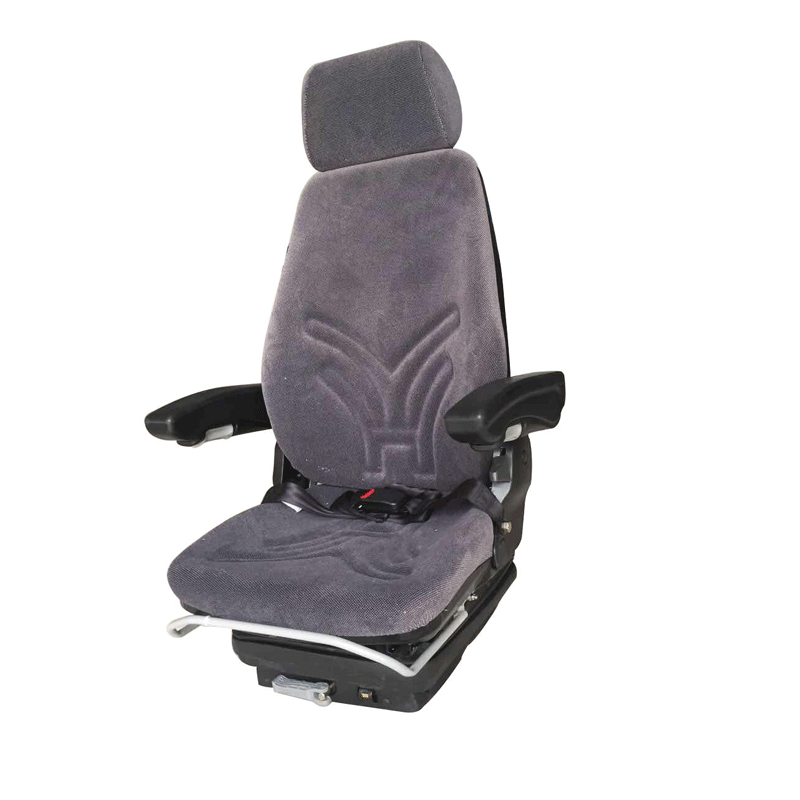
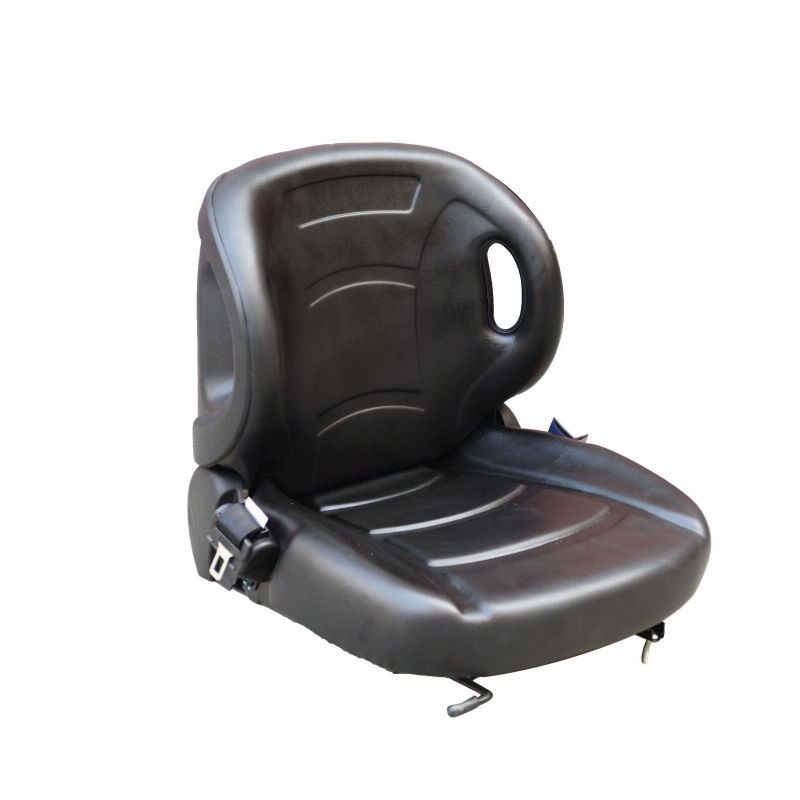
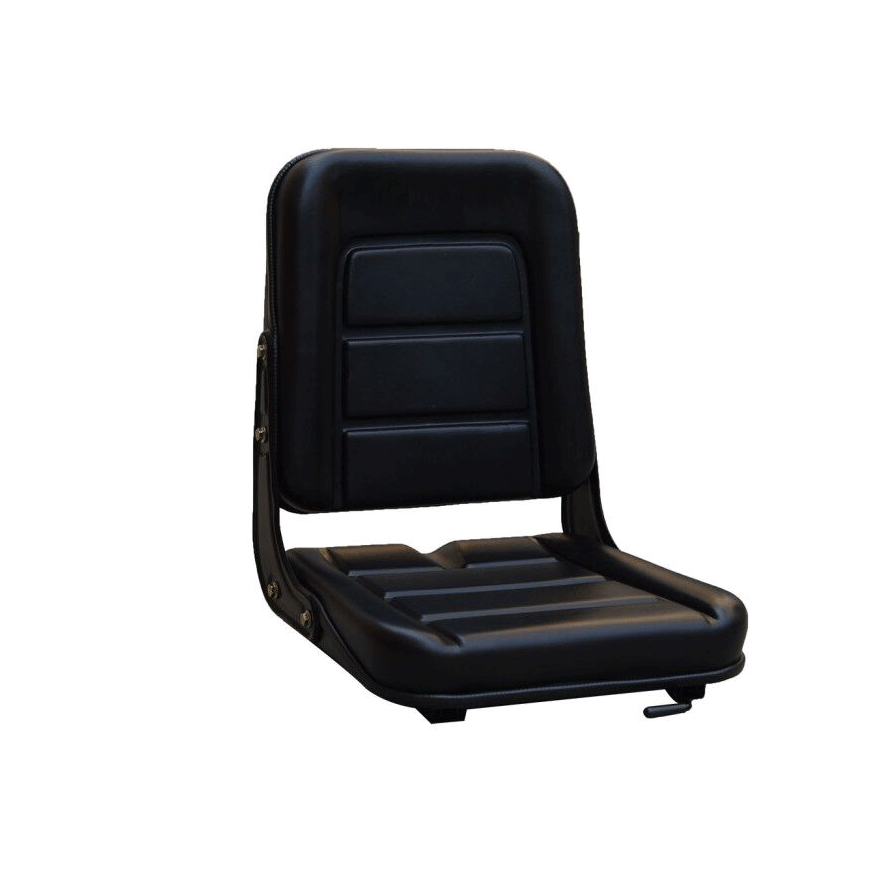
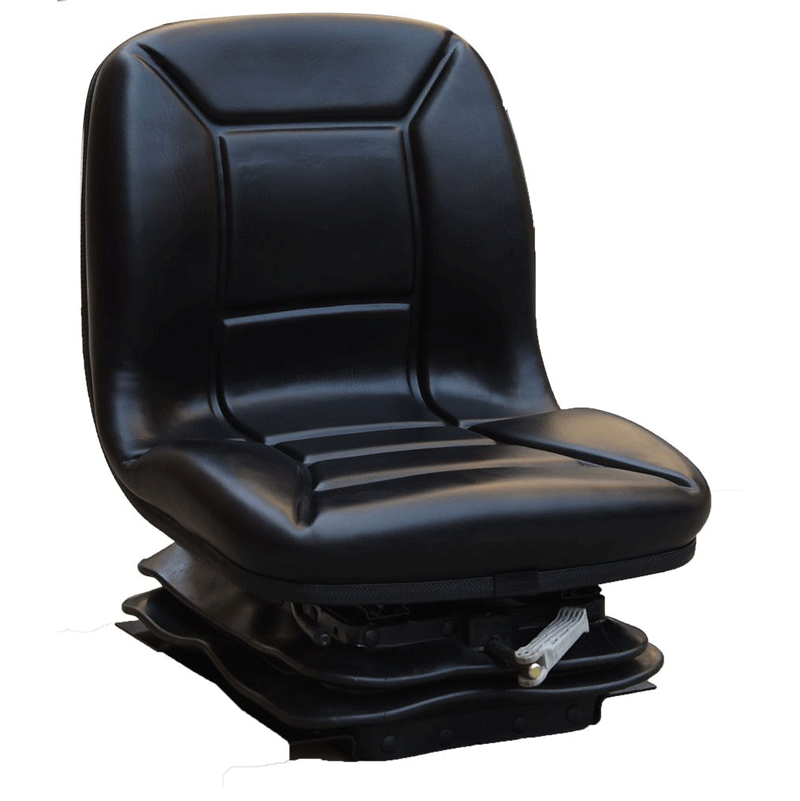
The tractor seat market offers a variety of options to suit different needs and budgets. Basic vinyl seats are the most affordable, providing a simple and durable solution. Suspended seats incorporate springs or elastomers to absorb shocks and vibrations, significantly increasing comfort. Air suspension seats offer the highest level of comfort, utilizing an air compressor to adjust cushioning. Furthermore, seats are available with various backrests, armrests, and seatbelt options. Choosing the right seat depends on the type of work you perform, the amount of time you spend operating the tractor, and your personal preference. Changshu OKJ provides a wide range of seat options.
Seat Type Comparison:
• Vinyl Seats: Affordable, Durable
• Suspended Seats: Shock Absorption, Increased Comfort
• Air Suspension Seats: Highest Comfort, Adjustable Cushioning
Tractor Seat Replacement: A Step-by-Step Guide
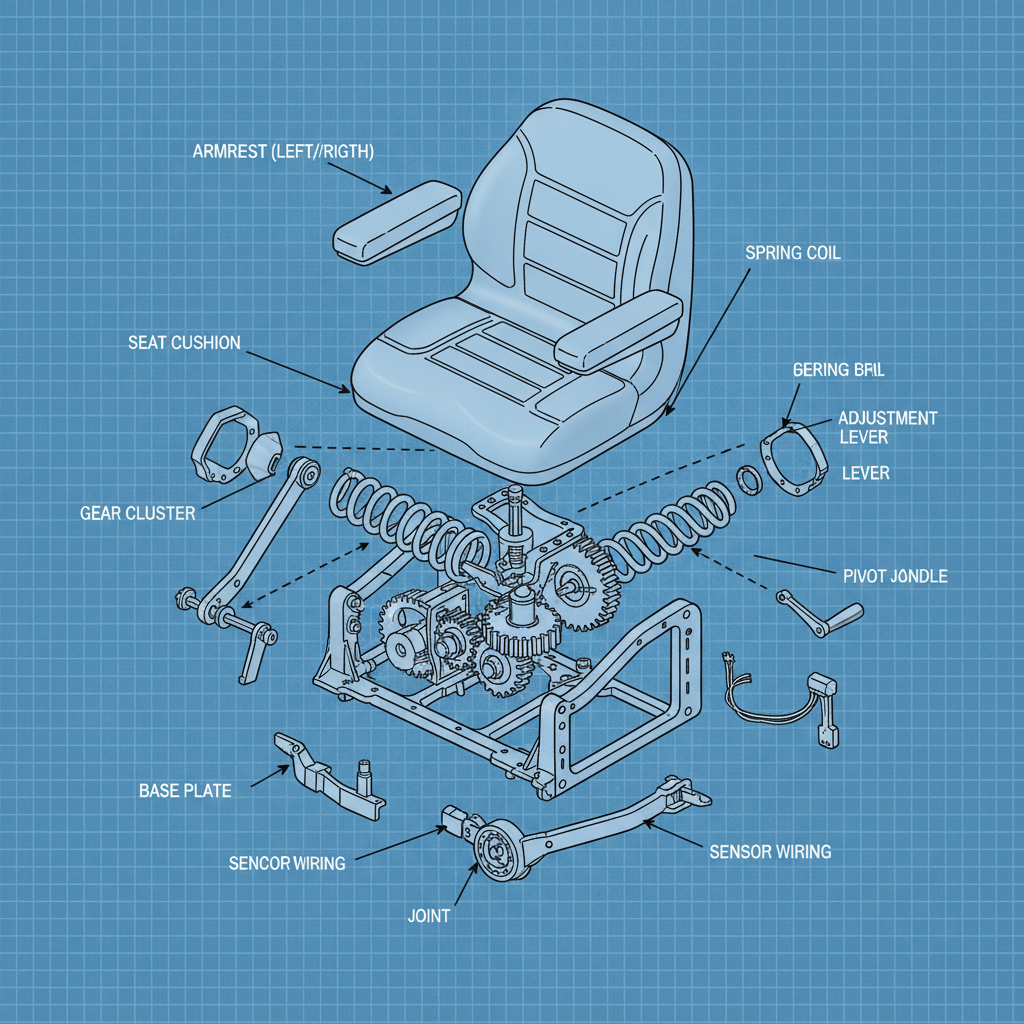
Replacing a tractor seat generally involves a few straightforward steps. First, disconnect the seat switch (if equipped) to prevent accidental starting. Next, remove any mounting bolts or brackets securing the old seat. Carefully lift the old seat off the tractor. Then, position the new seat onto the mounting platform and secure it with the original bolts or new ones if necessary. Reconnect the seat switch and test the seat adjustment mechanisms. Always consult your tractor's operator manual for specific instructions and safety precautions. If you’re uncomfortable performing the replacement yourself, consult a qualified mechanic.
Factors to Consider When Choosing a Replacement Seat
Selecting the ideal tractor seat replacement requires careful consideration of several factors. The size and mounting configuration of your tractor are crucial for ensuring a proper fit. The type of work you perform (e.g., mowing, plowing, hauling) will influence your comfort needs. Your body weight and height should also be considered when selecting a seat with appropriate support and adjustability. Investing in a quality seat that meets your specific requirements will significantly enhance your operating experience and prevent long-term discomfort.
Where to Buy Tractor Seats
You can find tractor seats at various agricultural supply stores, farm equipment dealerships, and online retailers. Changshu OKJ offers a comprehensive selection of tractor seats with competitive pricing and reliable shipping. When purchasing online, ensure the retailer provides detailed product specifications, customer reviews, and a clear return policy. Choosing a reputable supplier will guarantee you receive a quality product and excellent customer support.
Conclusion: Enhancing Comfort and Safety with a New Tractor Seat
Investing in a new tractor seat is a simple yet impactful way to improve operator comfort, safety, and productivity. By carefully considering your needs, choosing a quality seat, and following proper installation procedures, you can enjoy a more comfortable and efficient farming or landscaping experience. Don’t underestimate the importance of a supportive and comfortable seat – it’s an investment in your well-being and the longevity of your equipment.
Frequently Asked Questions (FAQs)
How long does it typically take to replace a tractor seat?
The replacement process usually takes between 30 minutes to an hour, depending on your mechanical skills and the complexity of the mounting system. Disconnecting the seat switch and removing the old seat typically takes the longest. Ensure you have the necessary tools readily available before starting the process. Consulting your tractor’s operator manual for specific instructions will streamline the procedure and minimize downtime.
Will a new seat affect the functionality of the seat switch?
Generally, a new seat should not affect the seat switch functionality if it’s properly reconnected. Before removing the old seat, note how the seat switch is connected. Ensure the wiring is securely reattached to the new seat. If the seat switch continues to malfunction after replacement, check the wiring for damage or corrosion. In some cases, the seat switch itself may need to be replaced.
What tools are needed for tractor seat replacement?
You'll typically need a socket set or wrenches to remove the mounting bolts, a screwdriver for disconnecting the seat switch, and potentially a pliers to remove any clips or fasteners. Depending on the tractor model, you might also need a torque wrench to ensure the mounting bolts are tightened to the correct specification. Having a work light and gloves is also recommended for better visibility and protection.
How can I ensure the new seat is securely mounted?
Before operating the tractor, thoroughly inspect the mounting bolts to ensure they are tightened to the manufacturer’s specified torque. Double-check that the seat is firmly attached to the mounting platform and does not wobble or move during operation. Regularly inspect the mounting bolts for looseness, especially after the initial installation and during routine maintenance.
Post time: Jan . 28, 2026 11:20