
Understanding Tractor Wheels and Tires: The Unsung Heroes of Farming
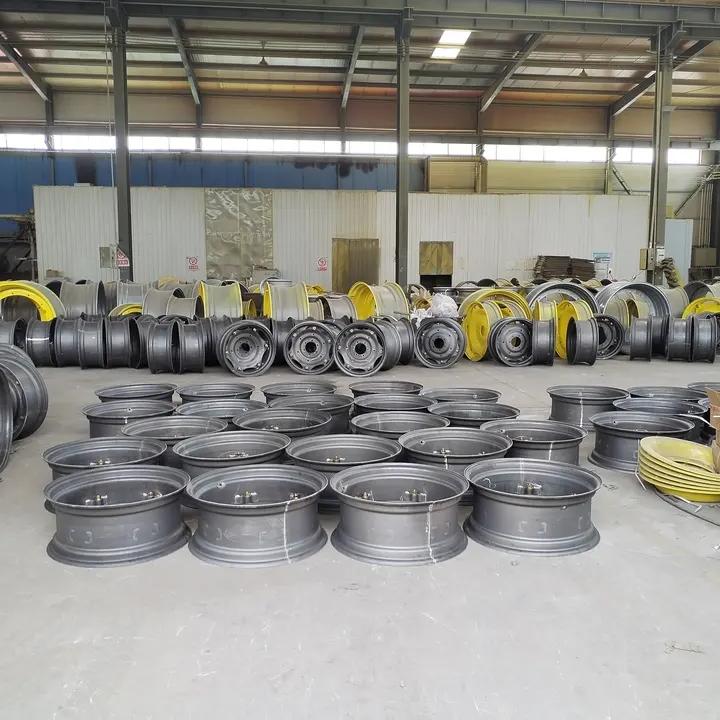
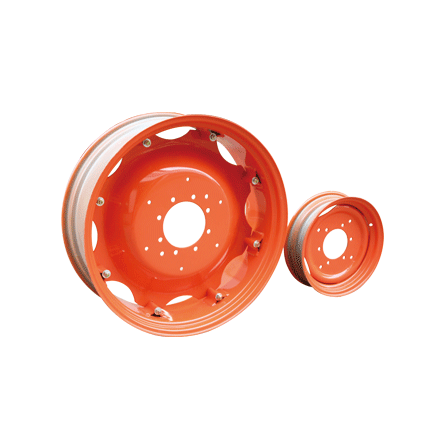
Having spent many years around industrial equipment and heavy machinery, I can tell you there’s a lot going on beneath the surface when it comes to something as seemingly straightforward as tractor wheels and tires. Frankly, they don’t just keep you moving forward—they’re fundamental to the machine’s performance, safety, and efficiency on the field.
Tractor wheels and tires might seem like just big rubber rings at first glance. But, oddly enough, the choice of tire composition, tread design, and rim construction can dramatically change your tractor’s effectiveness under various farming conditions. In my experience, this often gets overlooked until a real problem arises—like soil compaction, poor traction, or premature tire wear. Then, suddenly, everyone's paying attention.
Let's start with the materials. Most tractor tires combine robust rubber with steel or textile reinforcement. This mix is designed to handle not only intense loads but also uneven ground. An interesting thing I’ve noticed is that modern tires often feature radial construction instead of bias-ply, which is more common in older equipment. Radials offer better flexibility and a smoother ride, if you ask me—they’re less jolting, and that helps reduce equipment wear overall.
The tread pattern is a whole story by itself. Agricultural tires often have deep, angled lugs that dig into dirt for traction. But here’s the kicker: if those lugs are not designed right, or if the tires aren't sized correctly for your tractor and field, you risk excessive soil disruption, leading to erosion or crop damage. Many engineers argue the best tire design balances traction with soil preservation—because it’s not just about plowing through the dirt, but also caring for it.
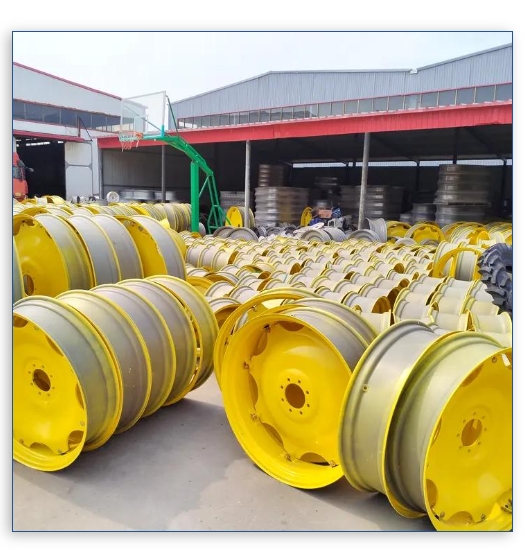
Speaking of sizing, the wheel diameter and width ratios play a huge role. For example, wider tires distribute the tractor’s weight better and reduce soil compaction, which is vital if you’re running on soft land or sensitive crops. Interestingly, some manufacturers offer custom sizes to meet very specific needs, which feels like a welcome nod to those of us who aren’t running cookie-cutter operations.
Testing these tires isn’t simple. I recall seeing a tire manufacturer’s test lab where they subjected tires to various pressures, loads, and terrains—a process that can take weeks. That kind of durability testing is crucial. You want tires that won’t suddenly fail during harvest, and that’s especially important in harsh climates.
My customers often mention that once they switch to higher-quality tires with advanced tread and stronger materials, they see less downtime and better fuel economy. One farmer I worked with, for example, switched to a set with reinforced sidewalls for his large 4WD tractor, and he said the difference was like night and day when climbing muddy slopes.
Now, here’s a quick specs rundown of what one might expect from premium tractor tires:
| Specification | Details |
|---|---|
| Tire Type | Radial ply agricultural tire |
| Material | Rubber compound with steel belt reinforcement |
| Tread Depth | 20-30 mm, depending on model |
| Typical Sizes | 18.4-38 to 520/85R38 |
| Max Load Capacity | Up to 3,500 kg per tire |
| Pressure Range | 12 - 35 psi (varies by application) |
Below is a vendor comparison table to help you quickly weigh your options:
| Vendor | Tread Design | Durability Rating | Price Range | Customization Options |
|---|---|---|---|---|
| AgriTire Co. | Deep angled lugs | 8/10 | $$$ | Standard sizes only |
| FieldMaster Tires | Reinforced radial tread | 9/10 | $$$$ | Custom sizes & compounds |
| EcoTrac Wheels | Eco-friendly tread pattern | 7/10 | $$ | Limited options |
When choosing your tractor wheels and tires, keep in mind there’s no “one size fits all” solution. Your choice depends on soil conditions, the crops you tend, tractor type, and even your personal approach to farming. One thing I’ve learned, after years of machinery squeaks and field troubles, is that investing in quality tires and wheels is investing in your working day’s success and peace of mind.
Before I forget—if you want to explore reliable products and innovations in this area, I encourage you to visit Changshu OKJ. They’ve consistently been a go-to for dependable agricultural wheels and tires, blending solid engineering with real-world practicality.
So, for those early mornings in the fields or long days driving across uneven ground, remember your tractor’s wheels and tires are the silent champions keeping you grounded—literally.
Cheers to every farmer and equipment operator who knows what’s under the rubber and why it matters.
References:
- "Agricultural Tire Technology," AgriTech Journal, 2022.
- "Impact of Tread Design on Soil Preservation," FarmMach Insights, 2023.
- "Durability Testing Methods for Tractor Tires," Industrial Equipment Review, 2021.
Post time: Jan . 04, 2026 07:10