Heavy duty tractor parts are the backbone of modern agriculture and construction, vital for ensuring the reliable operation of the powerful machinery that drives these industries. From robust engine components to durable transmission systems, these parts are engineered to withstand extreme conditions and demanding workloads. Understanding their significance is crucial for maximizing productivity, minimizing downtime, and ensuring the longevity of valuable equipment. The global demand for efficient agricultural practices and robust infrastructure development fuels a consistent need for high-quality heavy duty tractor parts.
The market for heavy duty tractor parts is a multi-billion dollar industry, intricately linked to global food security and infrastructure projects. According to the UN, increasing agricultural production by 60% by 2050 is crucial to feed a projected 9.7 billion people. This necessitates investment in efficient farming technologies, directly impacting the demand for durable and reliable tractor components. Furthermore, the World Bank emphasizes the importance of infrastructure development in emerging economies, relying heavily on construction equipment utilizing similarly robust parts. The challenge lies in balancing affordability with quality and sustainability within this critical supply chain.
Reliable heavy duty tractor parts aren’t just about machinery; they represent economic stability for farmers and construction companies, enabling them to meet growing demands. The quality and availability of these parts significantly influence operational costs, impacting profitability and the overall efficiency of vital sectors. Investing in durable components minimizes breakdowns, reduces repair expenses, and ultimately contributes to a more sustainable and productive future.
Introduction to Heavy Duty Tractor Parts
Heavy duty tractor parts are specifically engineered components designed to withstand the rigorous demands of agricultural, construction, and industrial applications. They represent a substantial investment for operators, demanding exceptional durability and reliability to minimize downtime and maximize productivity. These components often undergo specialized manufacturing processes and are constructed from high-strength materials.
The quality of heavy duty tractor parts directly correlates to the overall performance and lifespan of the machinery they serve. Regular maintenance and the use of genuine, high-quality parts are paramount to prevent costly repairs and ensure the continued efficient operation of tractors and associated equipment. Selecting the right heavy duty tractor parts is a critical decision impacting operational costs and long-term profitability.
Defining Heavy Duty Tractor Parts
Heavy duty tractor parts encompass all components used in the construction, repair, and maintenance of tractors designed for demanding workloads. Unlike parts intended for lighter-duty applications, these are built to endure prolonged use in challenging environments, resisting wear, tear, and the stresses associated with heavy lifting, tilling, and hauling. They are the building blocks of reliable agricultural and construction machinery.
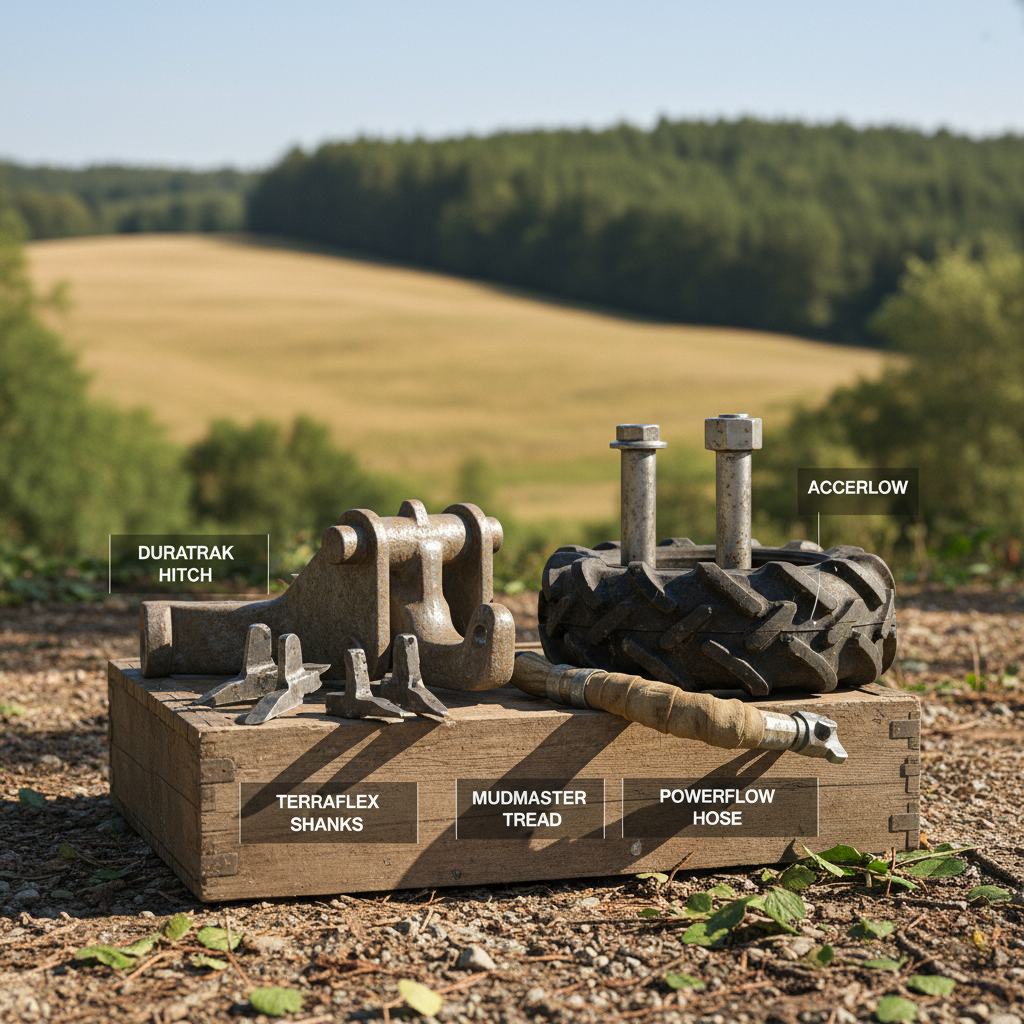
These parts aren't limited to engines and transmissions. They include hydraulic systems, implements, tires, axles, and a myriad of smaller components, all contributing to the overall functionality and durability of the tractor. The availability of high-quality heavy duty tractor parts directly supports food production, infrastructure development, and various industrial processes globally.
The definition extends to encompass parts meeting or exceeding original equipment manufacturer (OEM) specifications, ensuring compatibility and performance. Understanding the specific requirements of the tractor model and operating conditions is vital when selecting replacement parts, solidifying the need for specialized knowledge and reliable suppliers.
Key Characteristics of Robust Tractor Components
The defining features of robust tractor components center around their ability to perform consistently under stress. High tensile strength materials, precise engineering, and rigorous quality control are fundamental. These characteristics ensure the parts can withstand the constant vibrations, impacts, and extreme temperatures experienced during operation.
Critical characteristics also include resistance to corrosion, abrasion, and fatigue. Specialized coatings and heat treatments are frequently employed to enhance durability and extend the lifespan of these parts. Furthermore, components are often designed with ease of maintenance and replacement in mind, minimizing downtime and repair costs.
Another important aspect is dimensional accuracy. Precise fitment is essential for optimal performance and preventing premature wear on related components. This precision is achieved through advanced manufacturing techniques and strict adherence to industry standards, guaranteeing compatibility and seamless integration with the tractor's existing systems.
Core Components and Their Durability
Several core components are particularly crucial for tractor durability. The engine, for example, relies on robust crankshafts, connecting rods, and pistons forged from high-strength alloys to withstand combustion pressures. Transmission components, like gears and shafts, require hardened surfaces and precision machining to handle significant torque.
Hydraulic systems, essential for lifting and operating implements, necessitate durable pumps, cylinders, and hoses capable of withstanding high pressures and temperature fluctuations. The axles and bearings must withstand heavy loads and continuous stress, requiring robust materials and effective lubrication. Choosing quality heavy duty tractor parts for these key areas is paramount.
Durability Ratings of Common Tractor Components
Global Applications and Industry Impact
Heavy duty tractor parts are integral to a vast range of global industries. In agriculture, they support crop production across diverse climates and terrains, from large-scale commercial farms in the American Midwest to smallholder farms in developing nations. They are also essential for construction projects, enabling the operation of bulldozers, loaders, and excavators vital for infrastructure development.
In remote industrial zones, such as mining operations in Australia or forestry industries in Canada, reliable tractor parts ensure the uninterrupted operation of essential machinery. Moreover, in post-disaster relief operations, heavy duty tractors equipped with appropriate parts are often critical for clearing debris, transporting supplies, and restoring essential services.
Long-Term Value and Benefits
Investing in high-quality heavy duty tractor parts yields substantial long-term benefits. Reduced downtime translates to increased productivity and profitability, particularly in time-sensitive agricultural operations. Lower maintenance costs, stemming from the durability of superior components, contribute to overall cost savings.
Furthermore, utilizing reliable parts enhances safety, minimizing the risk of equipment failures that could endanger operators or bystanders. Choosing reputable suppliers fosters trust and ensures access to genuine components and expert support. The sustainability benefits of durable parts, reducing the need for frequent replacements and minimizing waste, are also increasingly important.
The emotional value associated with reliable equipment—the peace of mind knowing a critical piece of machinery won’t fail during a crucial operation—is often overlooked but profoundly impactful. This reliability directly contributes to a sense of security and confidence for operators and business owners alike.
Future Trends in Heavy Duty Tractor Parts
The future of heavy duty tractor parts is being shaped by several key trends. The integration of advanced materials, such as carbon fiber and high-strength polymers, is leading to lighter yet more durable components. Digital technologies, including predictive maintenance systems and remote diagnostics, are enabling proactive part replacement and minimizing unexpected downtime.
Furthermore, the increasing adoption of electric and hybrid tractor technologies is driving demand for specialized parts designed to handle the unique challenges of these powertrains. Sustainability is also a growing concern, with manufacturers exploring the use of recycled materials and designing parts for easier disassembly and recyclability. Heavy duty tractor parts are at the forefront of this technological shift.
Automation and precision agriculture will also play a role, demanding more sophisticated sensors and control systems integrated into tractor components. These advancements will result in more efficient, reliable, and environmentally friendly machinery.
Challenges and Solutions
A significant challenge in the heavy duty tractor parts industry is the proliferation of counterfeit or substandard components. These parts often fail prematurely, leading to costly repairs and potential safety hazards. Addressing this requires robust quality control measures and consumer education to identify genuine parts.
Another challenge is the complexity of supply chains, particularly in a globalized market. Disruptions due to geopolitical events or natural disasters can lead to parts shortages and delays. Diversifying sourcing and implementing resilient supply chain management strategies are essential to mitigate these risks.
Finally, the increasing cost of raw materials and manufacturing processes poses a challenge to maintaining affordability. Innovative manufacturing techniques, such as additive manufacturing (3D printing), and the development of alternative materials offer potential solutions to reduce costs without compromising quality.
Summary of Key Challenges and Corresponding Solutions for Heavy Duty Tractor Parts
| Challenge |
Impact on Industry |
Proposed Solution |
Implementation Strategy |
| Counterfeit Parts |
Reduced Equipment Lifespan, Safety Risks |
Enhanced Quality Control & Verification |
Utilize Serialization, Blockchain Tracking |
| Supply Chain Disruptions |
Delays, Increased Costs, Production Halt |
Diversified Sourcing & Inventory Management |
Establish Regional Stockpiles, Multi-Supplier Agreements |
| Rising Material Costs |
Increased Part Prices, Reduced Profit Margins |
Innovative Manufacturing Techniques |
Adopt Additive Manufacturing, Explore Alternative Materials |
| Lack of Skilled Technicians |
Improper Installation, Reduced Service Quality |
Training Programs & Certification |
Partner with Vocational Schools, Offer Manufacturer-Led Courses |
| Increasing Complexity of Parts |
Difficult Repair, Specialized Tools Required |
Simplified Designs & Modular Components |
Focus on Ease of Maintenance, Standardized Interfaces |
| Environmental Concerns |
Waste Generation, Resource Depletion |
Sustainable Materials & Recycling Programs |
Utilize Recycled Materials, Implement Take-Back Programs |
FAQS
The lifespan of heavy duty tractor parts varies significantly depending on the component, operating environment, and maintenance practices. Engine components like crankshafts and cylinder blocks can last for thousands of hours with proper care. However, wear items like filters, belts, and hoses require more frequent replacement, typically every 100-500 hours. Regular inspections and adherence to manufacturer recommendations are crucial for maximizing longevity.
Identifying genuine parts often involves checking for specific markings, logos, and packaging consistent with the original manufacturer. Look for serialization numbers and verify them with the supplier or manufacturer. Be wary of unusually low prices, poor packaging, and inconsistencies in part quality. Purchasing from authorized dealers and reputable suppliers is the most reliable way to ensure authenticity.
OEM parts are specifically designed and tested for your tractor model, guaranteeing compatibility and optimal performance. Using aftermarket parts can sometimes lead to fitment issues, reduced efficiency, and potential damage to other components. While aftermarket options may be cheaper, OEM parts offer peace of mind and long-term reliability, protecting your investment in the machinery.
Preventative maintenance frequency depends on usage and operating conditions. However, a general guideline includes checking fluid levels (oil, coolant, hydraulic fluid) every 25-50 hours, replacing filters (air, fuel, oil) every 100-250 hours, and inspecting belts and hoses regularly. Annual inspections by a qualified technician are also recommended to identify potential issues before they escalate.
Yes, advancements in materials science are continually improving part durability. Coatings like Diamond-Like Carbon (DLC) reduce friction and wear, while the use of high-strength alloys and composite materials increases resistance to fatigue and corrosion. Furthermore, 3D printing allows for the creation of complex geometries optimized for strength and weight reduction, extending part life.
Finding a trustworthy supplier is crucial. Look for authorized dealers representing major tractor manufacturers. Online marketplaces should be vetted carefully, prioritizing suppliers with positive reviews and clear return policies. Changshu OKJ offers a comprehensive range of genuine heavy duty tractor parts and provides expert assistance in selecting the right components for your needs.
Conclusion
In conclusion, heavy duty tractor parts are fundamental to the efficiency and reliability of vital industries, from agriculture to construction. Understanding their characteristics, applications, and future trends is crucial for maximizing productivity, minimizing downtime, and ensuring sustainable operations. Investing in quality components and implementing proactive maintenance strategies provides significant long-term benefits.
As technology continues to advance and environmental concerns grow, the development and adoption of innovative materials, digital technologies, and sustainable practices will shape the future of heavy duty tractor parts. Prioritizing durability, reliability, and environmental responsibility will be key to meeting the evolving demands of these critical sectors.