

Regional Analysis
Kenya's Agricultural Machinery Market
Understanding the intersection of farm mechanization and part availability in East Africa.
The Kenyan agricultural sector is currently undergoing a significant transition toward mechanization to increase food security. From the highlands of Central Kenya to the expansive plains of the Rift Valley, there is a growing reliance on small and medium-sized tractors. However, the market is characterized by a fragmented supply of spare parts, where farmers often rely on inconsistent local imports. This creates a critical demand for reliable, OEM-standard agriculture parts that can withstand the region's unique soil compositions and operational intensities.
Current trends indicate a shift toward "precision maintenance," where operators are moving away from generic repairs toward specific, high-quality replacements. There is an increasing demand for ergonomic upgrades, such as professional lawn tractor seat replacement, as farm owners recognize the link between operator comfort and daily output. Furthermore, the rise of commercial farming cooperatives in Kenya is driving the need for bulk procurement of standardized parts like gears, shafts, and tie rod ends to maintain fleet uniformity.
Despite the growth, logistics and quality control remain the primary constraints. Many available parts lack the metallurgical strength required for heavy-duty African farming, leading to premature failure. The opportunity lies in establishing a direct link between precision manufacturers and Kenyan distributors. By providing a comprehensive range of tractor and tiller parts, manufacturers can help reduce the total cost of mechanization, allowing Kenyan farmers to scale their operations without the constant risk of mechanical failure.
Industry Progress
The Evolution of Tractor Component Manufacturing
From manual workshops to automated precision engineering for global agricultural needs.
Early Phase
Manual Production
Initial manufacturing relied on small-scale workshops with basic tooling, producing generic parts with wide tolerances and limited durability for local markets.
Adoption Phase
CNC Integration
The shift to CNC machining allowed for precision-engineered components, ensuring that spare parts fit perfectly without manual filing or modification.
Current Phase
Global Specialization
Modern manufacturing now integrates automated production lines and specialized materials to serve diverse global markets, including high-demand regions like Kenya.
Material Science Advancements
The industry has moved from basic cast iron to specialized alloy steels and heat-treated surfaces. This transition significantly increases the fatigue life of critical tractor parts, especially for heavy-duty loaders and tillers used in rocky soils.
Standardization of Interfaces
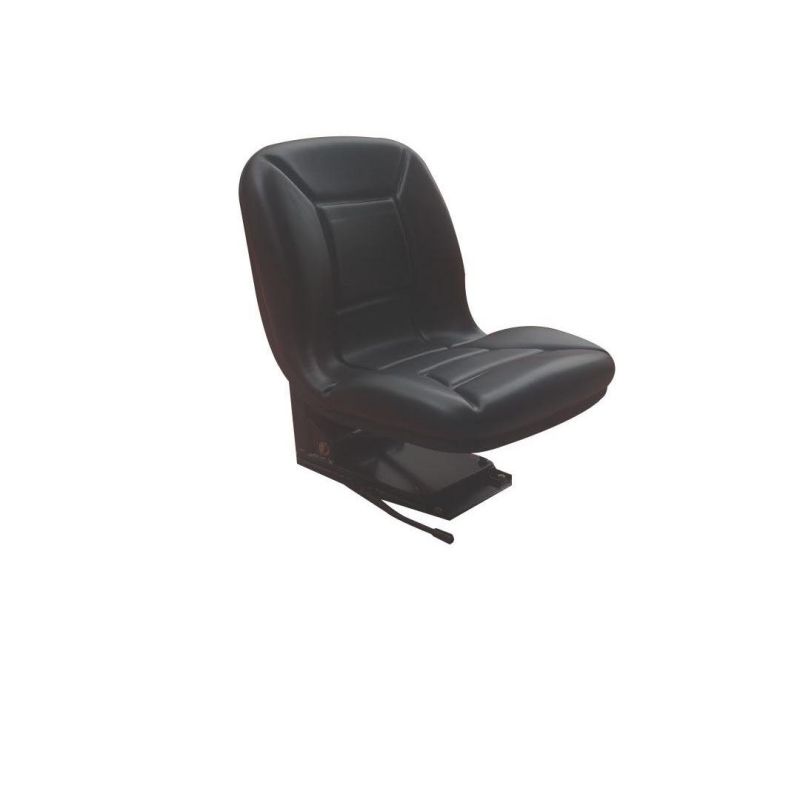
There is a strong movement toward universal compatibility. The development of the universal mower seat is a prime example of how manufacturers are reducing the complexity of part sourcing for end-users.
Integrated Power & Mechanical Solutions
Modern agricultural groups are now integrating electrical cable production with mechanical parts, providing comprehensive solutions for the electrification of tractor systems and improved power transmission.
Future Outlook
Trends Shaping Agricultural Machinery Parts
Analyzing the technological and operational shifts in the global spare parts market.
Smart Material Integration
The use of self-lubricating polymers and reinforced alloys is reducing the need for frequent manual greasing, lowering maintenance intervals for tractor owners.
Ergonomic-Centric Design
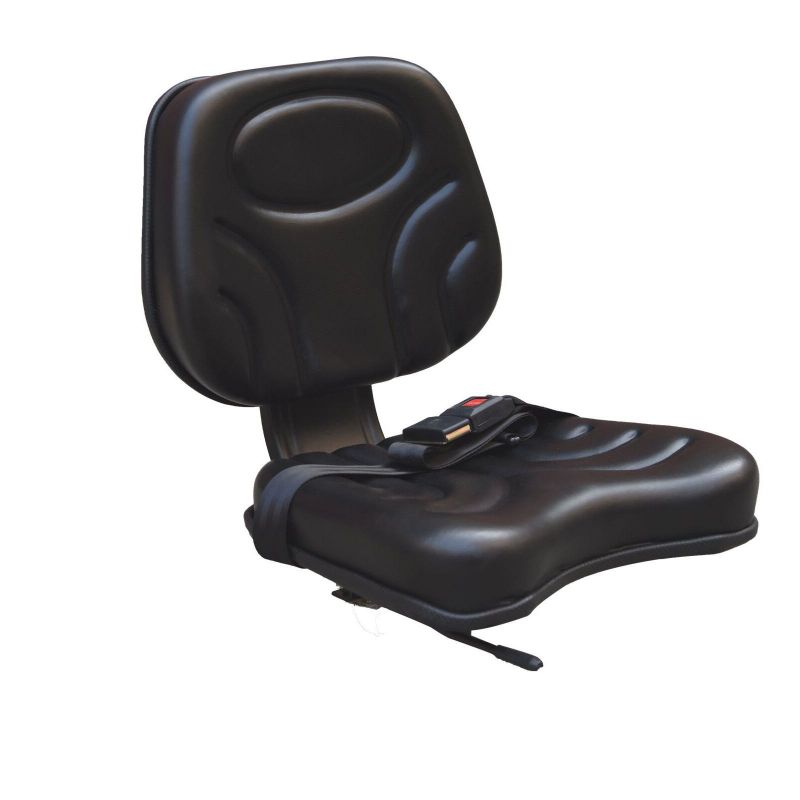
Modern agricultural parts are prioritizing the human element. High-performance loader seat designs now incorporate vibration damping to protect operators during long shifts.
Modularity & Interoperability
Manufacturers are creating "cross-platform" parts. A single universal mower seat can now fit multiple brands, simplifying inventory for regional distributors.
Sustainable Manufacturing
The shift toward energy-efficient production lines reduces the carbon footprint of spare parts, aligning with global green agriculture initiatives in East Africa.
The convergence of mechanical engineering and digital precision is redefining how agricultural parts are delivered. By utilizing advanced CAD/CAM systems, manufacturers can now produce parts that are not only compatible but often superior to original equipment in terms of wear resistance. For the Kenyan market, this means a reduction in the "trial and error" approach to repairs, as parts arrive with guaranteed fitment and certified material strength.
Furthermore, the integration of high-voltage and low-voltage electrical components into the tractor spare parts ecosystem is becoming essential. As tractors incorporate more electronic sensors and automated steering, the demand for high-quality insulated cables—ranging from 300V to 220kV—is growing. This dual capability in both mechanical and electrical manufacturing allows for a more holistic approach to machine restoration and modernization.
Practical Applications
Agriculture Parts in Kenyan Field Conditions
How specialized components perform across different agricultural environments in Kenya.
01
Small-Scale Maize Farming in the Highlands
In the undulating terrains of Central Kenya, small tractors frequently handle steep slopes. The high stress on tie rod ends and gears is mitigated by using precision CNC-machined agriculture parts, which prevent steering failure and ensure stable machine handling in fragile soil conditions.
02
Commercial Tea Estates in Kericho
Large-scale operations require fleet uniformity. By implementing a universal mower seat across their fleet of small tractors, estate managers reduce the complexity of their inventory and ensure that all operators have consistent ergonomic support during long pruning cycles.
03
Cattle Ranching in the Rift Valley
Loading feed and supplies requires heavy-duty loader equipment. The installation of a reinforced loader seat with enhanced shock absorption reduces the physical strain on operators who spend 8+ hours a day in the cabin, directly improving operational safety.
04
Horticultural Farms in Naivasha
Intensive flower farming uses specialized tillers and small tractors. The use of high-grade replacement gears and shafts from precision factories ensures that these machines can run continuous shifts without the risk of sudden mechanical failure, protecting the tight delivery schedules of export crops.
05
Community Co-op Projects in Western Kenya
Shared machinery is often subjected to varied operating styles. Utilizing a durable lawn tractor seat replacement made from high-density, weather-proof materials ensures that the seating remains functional despite frequent use by multiple operators in humid conditions.
Operational Evidence
Typical Operator Perspectives
Representative scenarios showing the impact of high-quality spare parts on farm productivity.
Replacing old, worn-out seats with high-density ergonomic replacements has significantly reduced the fatigue experienced by our drivers during the maize harvest. The precision fit of the universal mounting system made the transition seamless across our mixed fleet.
The durability of CNC-machined gears and shafts is evident when working in abrasive soil. We have seen a notable decrease in the frequency of steering and transmission repairs, allowing us to maintain a more consistent planting schedule.
Sourcing specialized loader seats that actually withstand the African sun and heavy use was a challenge until we found components designed for high-intensity environments. The improved lumbar support has made a measurable difference in daily productivity.
Our Legacy
Hebei Changshuo Tech Co., Ltd.
A dual-industry group specializing in electric power cables and precision tractor spare parts.
1989
Founding of Bada Machinery & Zhaoxin Cable
The company began its journey with two specialized factories. Bada Machinery started as a small operation with 10 workers focusing on tractor spare parts, while Zhaoxin Cable initiated production of rubber instrument cables.
1991-1995
Domestic Market Expansion
Expansion included the establishment of sales agencies in Baoding and Fuyang. The product range grew to include Benye and Shifeng tractor parts, specifically gears, shafts, and tie rod ends produced in-house.
2003-2005
Initiation of Global Export
Zhaoxin Cable began exporting to Vietnam in 2003. By 2005, Bada Machinery started exporting tractor parts internationally and began participating in overseas exhibitions to expand its global footprint.
2009
Strategic Factory Reconstruction
Zhaoxin Cable underwent a massive rebuild, expanding to a group company covering 120,000sqm and diversifying its product range to include various high, medium, and low voltage cables.
Present
Integrated Tech Group
Today, Hebei Changshuo Tech operates as a group with advanced facilities, 40+ CNC machines, and a capacity to produce 200,000km of cable annually, serving real estate, energy, and transportation sectors worldwide.
Plant and Spraying series
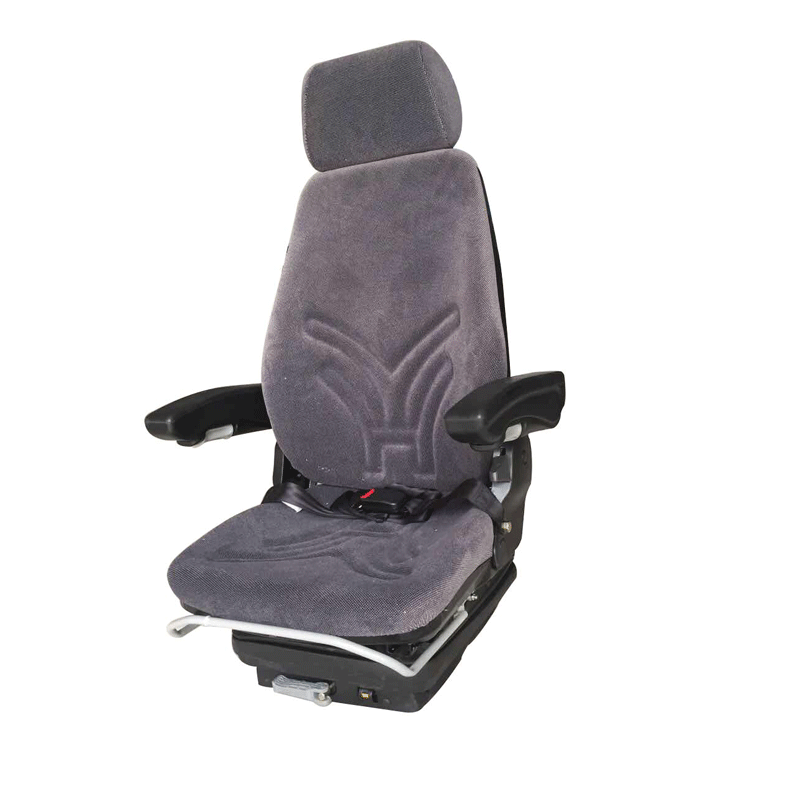
FD-851 Seat

ST-008 Factory-direct Sale of Agricultural Machinery Full Hydraulic Steering Gear Valve MTZ

BMROD22.5MN 22,5MM Small Plate Head 23mm
Expert Guidance
Tractor Spare Parts FAQ
Answers to common technical and procurement questions for agricultural machinery owners.
What makes a universal mower seat compatible with different tractor brands?
A universal mower seat is designed with standardized mounting brackets and adjustable sliding rails that align with the most common chassis configurations used by tractor manufacturers. This interoperability allows a single seat design to fit various small and medium-size tractors. When selecting a seat, it is important to verify the bolt-hole spacing, although our universal designs are engineered to cover the vast majority of standard agricultural machinery footprints.
How do I choose between a standard tractor seat and a specialized loader seat?
The choice depends on the machine's primary function. A standard tractor seat is designed for general hauling and field work. In contrast, a loader seat is specifically engineered for machines that perform frequent lifting and tilting operations. Loader seats typically feature enhanced lateral support, superior vibration damping to handle uneven loading weights, and reinforced bases to withstand the constant shifting of the operator's position during loader arm operation.
Are CNC-machined agriculture parts more durable than traditional cast parts?
Yes, CNC-machined parts generally offer superior durability. Unlike casting, which can have internal porosities or inconsistent density, CNC machining carves components from a solid block of high-grade alloy. This results in a denser molecular structure and precise tolerances. In the context of gears and shafts, this means better load distribution and significantly less friction, which is critical for the harsh, abrasive environments found in Kenyan farming.
What are the key signs that my tractor's tie rod ends or gears need replacement?
Common indicators include excessive "play" or looseness in the steering wheel, uneven tire wear, or audible grinding and whining noises coming from the transmission or axles. If the tractor pulls to one side despite correct alignment, the tie rod ends are likely worn. Prompt replacement of these agriculture parts is essential to prevent catastrophic failure of the steering system and ensure operator safety.
Can I use the same spare parts for both small and medium-sized tractors?
While some components like universal seats or certain fasteners are interchangeable, critical mechanical parts like gears, shafts, and engine components are size-specific. It is crucial to match the part to the specific horsepower and model of your tractor. We recommend providing the model number or original part specifications to ensure a perfect fit, as using an undersized part in a medium tractor can lead to rapid failure under load.
How do I ensure that the parts I import from China are compatible with my equipment in Kenya?
The best way to ensure compatibility is to request a technical specification sheet or a dimensional drawing from the manufacturer. Reputable suppliers like Hebei Changshuo Tech use CNC machining to meet exact OEM standards. You should verify the part number, the material grade, and the mounting dimensions. Additionally, choosing a supplier with a history of global export experience ensures they understand the international standards required for compatibility across different tractor brands.
Ready to Upgrade
Optimize Your Farm Machinery with Precision Spare Parts
Whether you are operating a commercial estate or a family farm in Kenya, having access to high-durability agriculture parts is the key to reducing downtime. From ergonomic loader seats to CNC-machined transmission gears, we provide the technical reliability your equipment deserves. Contact our team today to discuss your specific machinery requirements and secure a consistent supply of OEM-standard components.
Discuss Your Requirements


