

Mali's agricultural sector operates under extreme climatic conditions, where high temperatures and abrasive dust accelerate the wear and tear of machinery. For local farmers and cooperatives, the availability of high-quality agriculture parts is critical to preventing prolonged downtime during planting and harvest seasons. The reliance on robust mechanical components ensures that food security is maintained despite the harsh environmental stressors common in the region.
Beyond mechanical hardware, the modernization of farming in Mali requires stable energy transmission. The integration of specialized tractor parts for agriculture often goes hand-in-hand with the need for reliable electrical cabling to power irrigation systems and processing hubs. Ensuring that machinery remains operational requires a steady supply of precision-engineered components that can withstand heavy-duty cycles without premature failure.
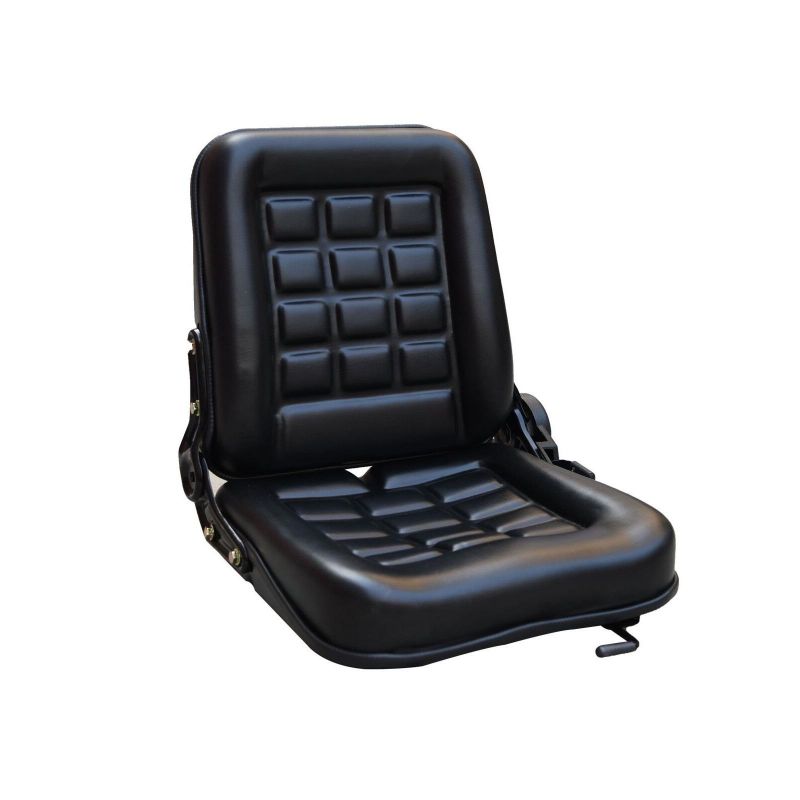
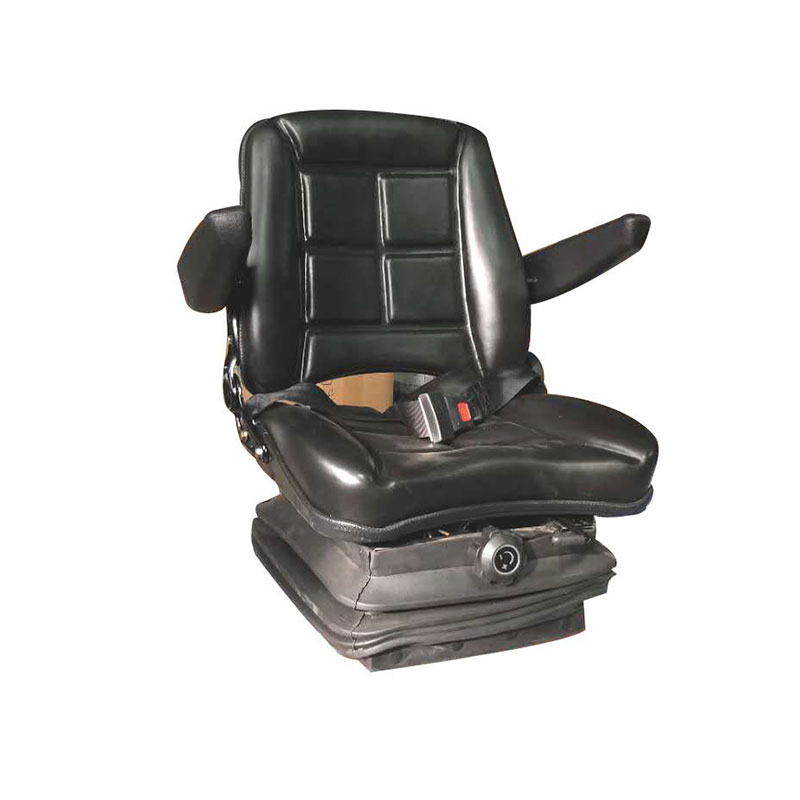
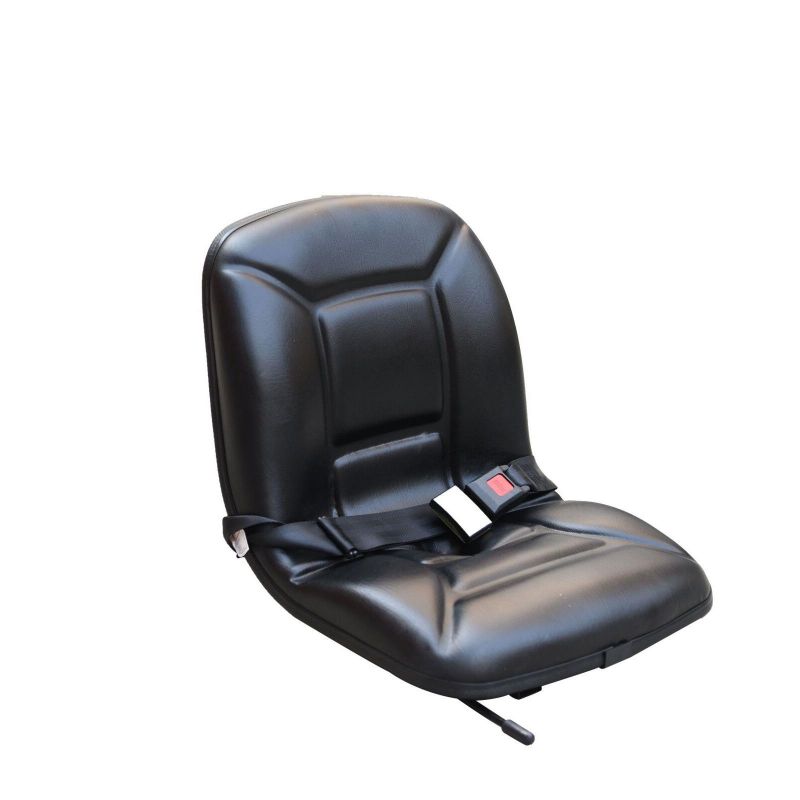
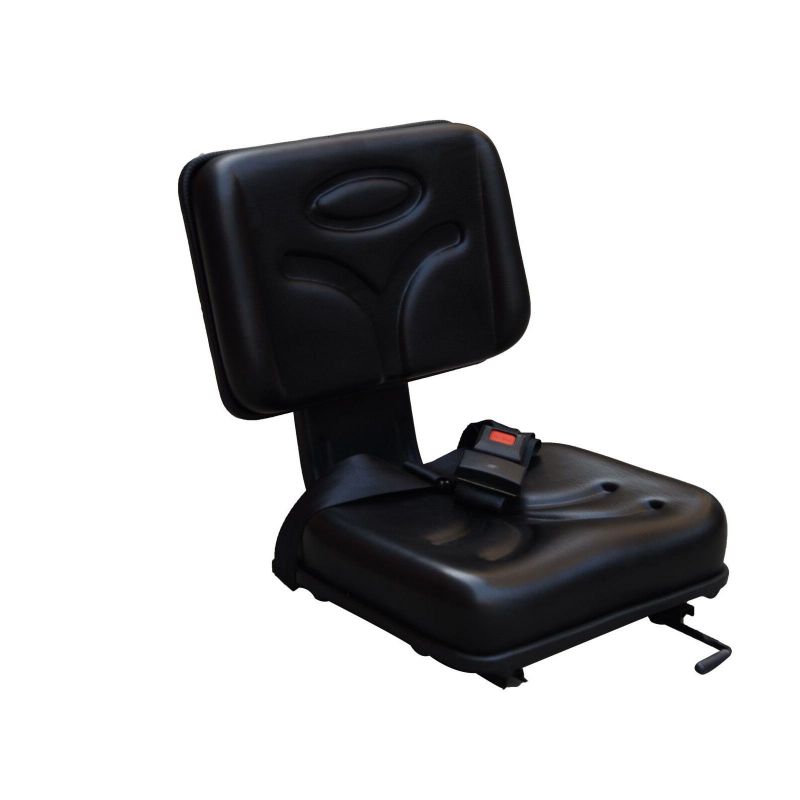
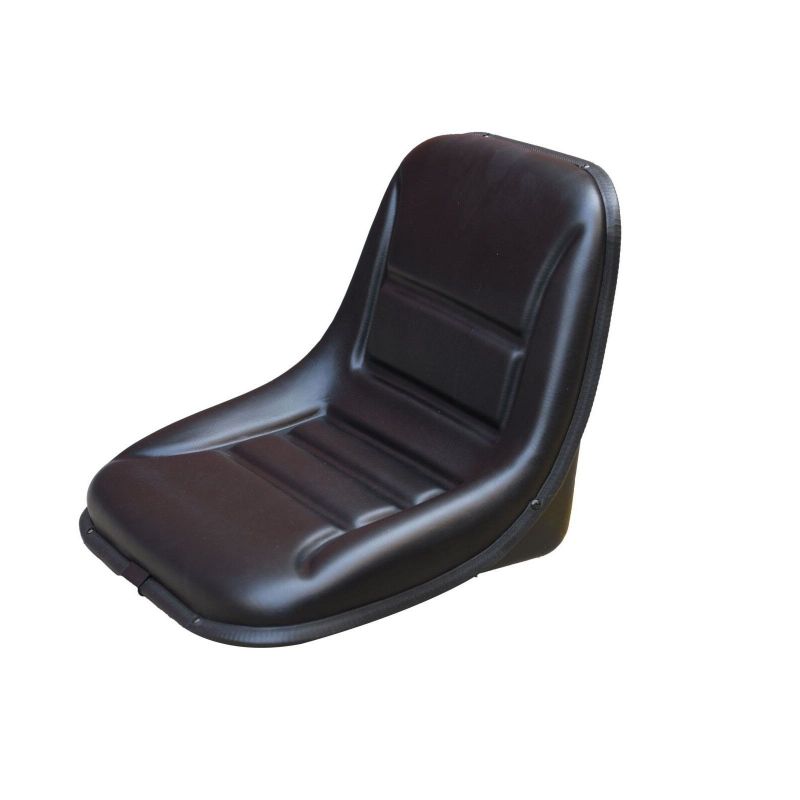
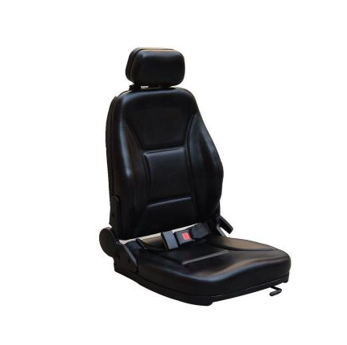
From an industry perspective, there is a growing shift toward standardized replacements to reduce maintenance costs. Whether it is upgrading a loader seat for operator comfort or installing flame-retardant cables for power safety, the goal is to build a sustainable supply chain. By focusing on compatibility and material durability, enterprises in Mali can transition from reactive repairs to proactive asset management.