
Understanding Large Tractor Rim Options for Optimal Performance
Choosing the right large tractor rim is crucial for maximizing the efficiency, safety, and longevity of your agricultural equipment. These rims aren't just about aesthetics; they directly impact traction, load capacity, and overall performance. This article provides a comprehensive guide to navigating the world of tractor rims, covering key considerations, materials, sizing, and where to find high-quality options. We'll explore the factors that differentiate various rims and help you select the best solution for your specific farming needs.
Key Considerations When Selecting a Large Tractor Rim
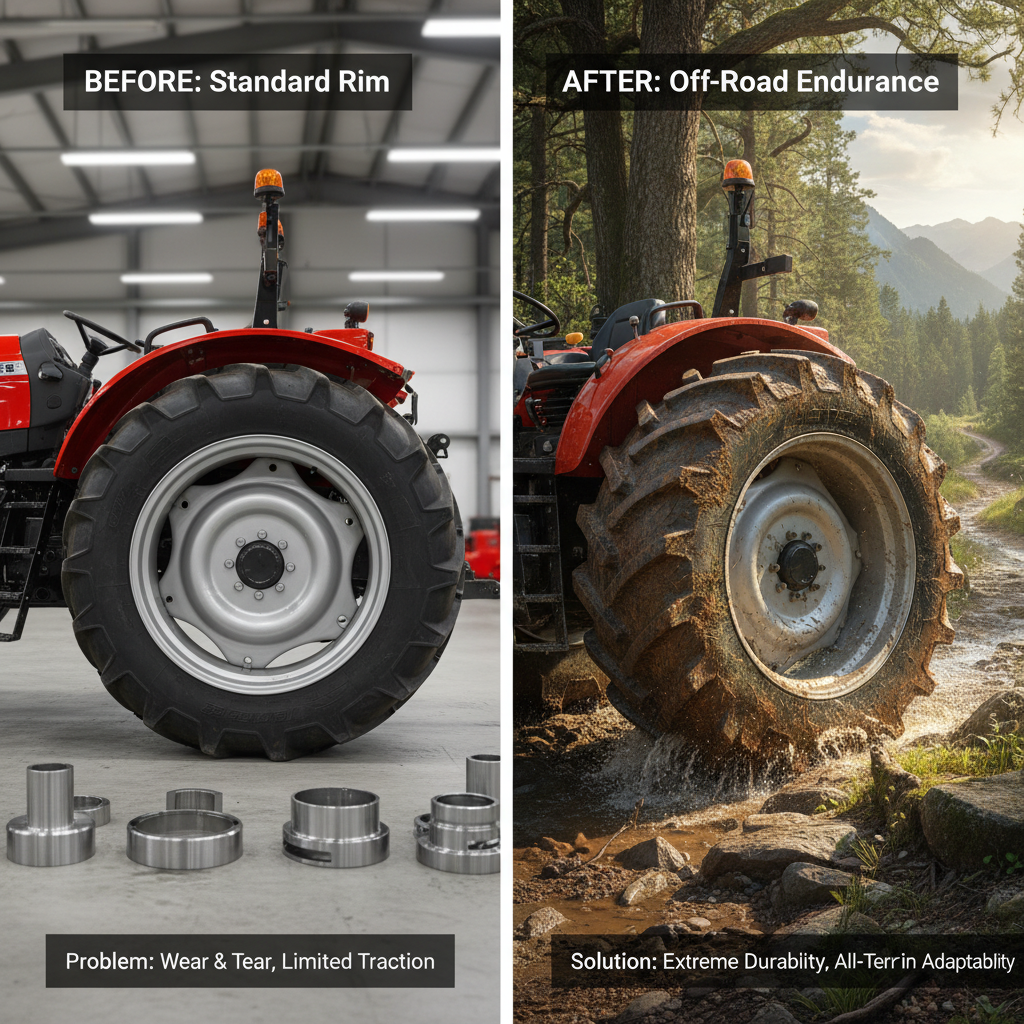
Before diving into specific options, it’s essential to understand the key factors influencing your choice. These include the tractor's horsepower, the type of work it performs (plowing, planting, hauling), the soil conditions, and the tire size. A rim that’s too weak can buckle under heavy loads, while one that’s too strong might add unnecessary weight. Proper rim sizing is also vital to ensure a secure fit and optimal tire performance. Considering these aspects upfront will streamline your selection process and prevent costly mistakes.
Materials Used in Large Tractor Rim Construction
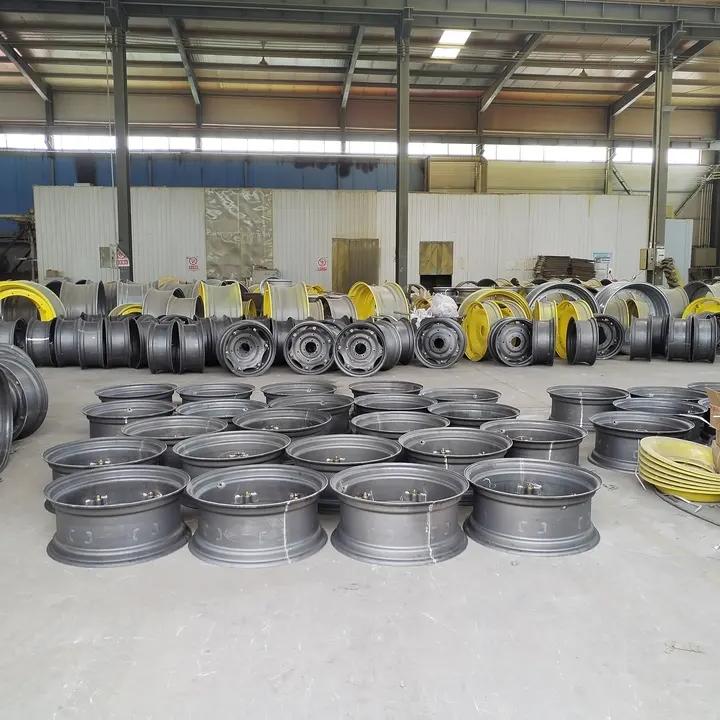
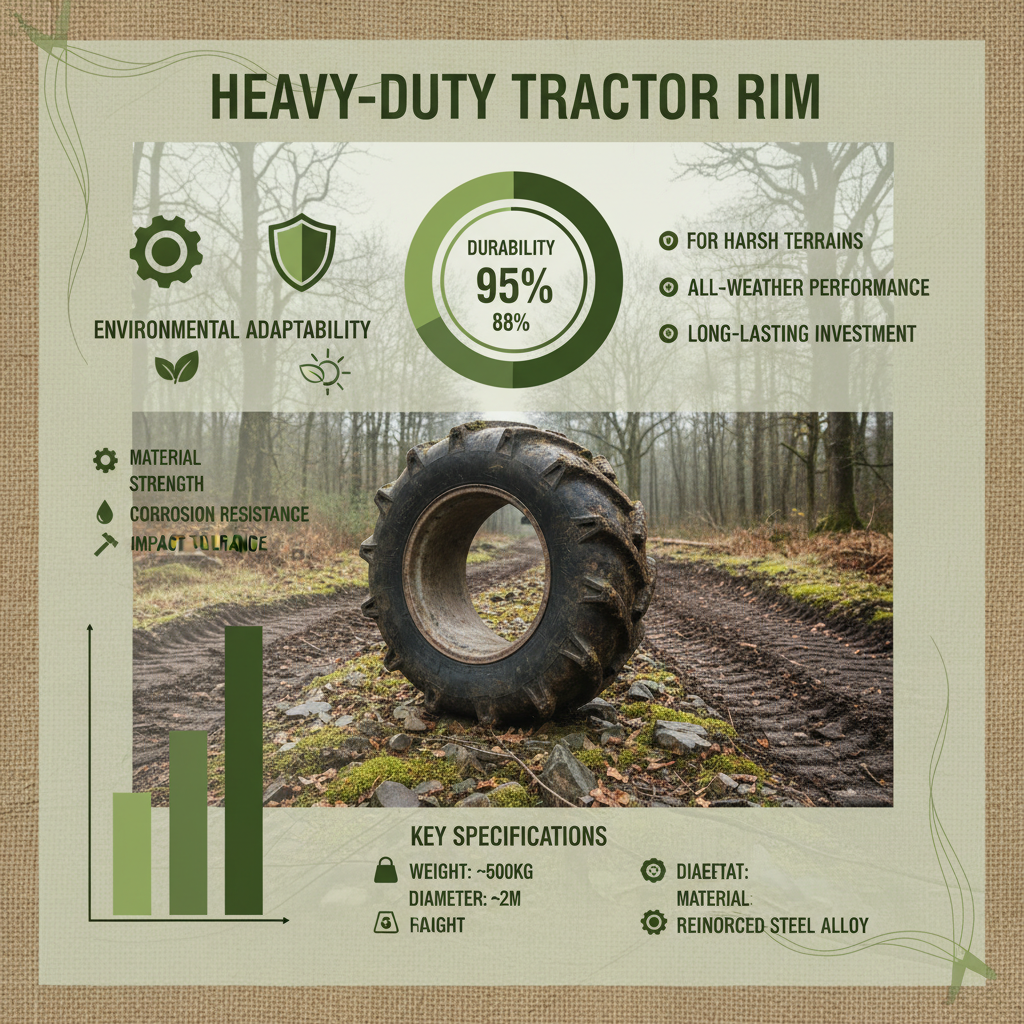
Large tractor rims are typically constructed from steel or alloy materials. Steel rims are known for their strength and affordability, making them a popular choice for general-purpose farming. However, they can be heavier than alloy rims. Alloy rims, often made from aluminum, offer a lighter weight, improved heat dissipation, and increased corrosion resistance. This can translate to better fuel efficiency and a longer lifespan. The choice depends on your budget and the demands of your operation. Changshu OKJ specializes in high-quality steel and alloy options, catering to diverse agricultural needs.
Material Comparison: Steel rims offer robustness and affordability. Alloy rims provide a lighter weight and improved corrosion resistance.
Understanding Large Tractor Rim Sizes and Compatibility
Tractor rim size is critical for proper tire fit and performance. It's typically expressed in inches, referring to the diameter of the rim. Choosing the wrong size can lead to tire instability, reduced traction, and even safety hazards. Compatibility also depends on the tractor's lug pattern and bolt circle. Always consult your tractor's manual or a qualified equipment specialist to determine the correct rim size and specifications. Our experts at Changshu OKJ can assist you in finding the perfect fit for your machinery.
Key Rim Size Considerations:
• Diameter (in inches)
• Lug Pattern
• Bolt Circle
• Offset
Comparing Different Types of Large Tractor Rims
Several types of large tractor rims are available, each designed for specific applications. Flanged rims are commonly used for conventional tires, providing a secure mounting surface. Demountable rims allow for easy tire removal and installation, ideal for seasonal changes. Split rims offer increased strength for heavy-duty applications, often used with large radial tires. Understanding the differences between these types will help you select the most appropriate rim for your tractor and operating conditions. The table below provides a concise comparison:
Why Choose Changshu OKJ for Your Large Tractor Rim Needs?
At Changshu OKJ, we are committed to providing high-quality, durable, and reliable large tractor rims. We offer a wide selection of sizes and materials to meet the diverse needs of our customers. Our experienced team provides expert guidance to ensure you select the right rim for your tractor and application. We prioritize customer satisfaction and offer competitive pricing and prompt delivery. Partner with us for all your tractor rim requirements.
Frequently Asked Questions (FAQs)
How often should I inspect my large tractor rims?
Regular inspections are crucial for maintaining safety and preventing costly repairs. Inspect your rims at least monthly, or more frequently if operating in harsh conditions. Look for signs of cracks, dents, bending, or corrosion. Check the lug nuts to ensure they are properly tightened. Early detection of any issues can prevent them from escalating into major problems. Addressing minor damage promptly can extend the lifespan of your rims and ensure your tractor operates safely and efficiently.
What is the best way to store large tractor rims when not in use?
Proper storage can significantly extend the lifespan of your tractor rims. Store them in a dry, covered area protected from direct sunlight and the elements. Clean the rims thoroughly before storage to remove dirt, mud, and debris. If possible, stack them carefully to prevent damage. Avoid storing them directly on the ground, as this can lead to corrosion. Proper storage will help maintain the integrity of the rims and ensure they are ready for use when needed.
Can I repair a damaged large tractor rim?
The repairability of a damaged tractor rim depends on the extent and location of the damage. Minor dents or bends can sometimes be repaired by a qualified professional. However, cracks or significant structural damage typically require rim replacement. Attempting to repair a severely damaged rim can compromise its integrity and create a safety hazard. Always consult a qualified technician to assess the damage and determine the best course of action.
What is the importance of proper tire inflation on tractor rims?
Maintaining proper tire inflation is critical for ensuring the longevity and performance of your tractor rims. Underinflated tires can cause excessive flexing, leading to rim damage and reduced traction. Overinflated tires can create a harsh ride and increase the risk of tire failure. Always refer to your tractor and tire manufacturer’s recommendations for optimal inflation pressure. Regularly check and adjust the tire pressure to ensure safe and efficient operation.
Post time: Mar . 21, 2026 02:35