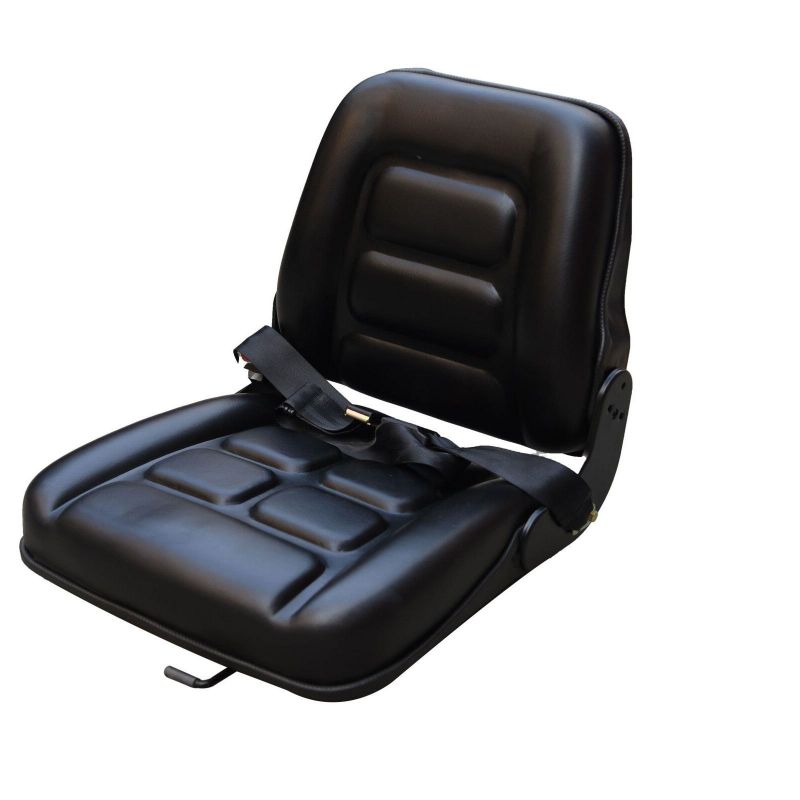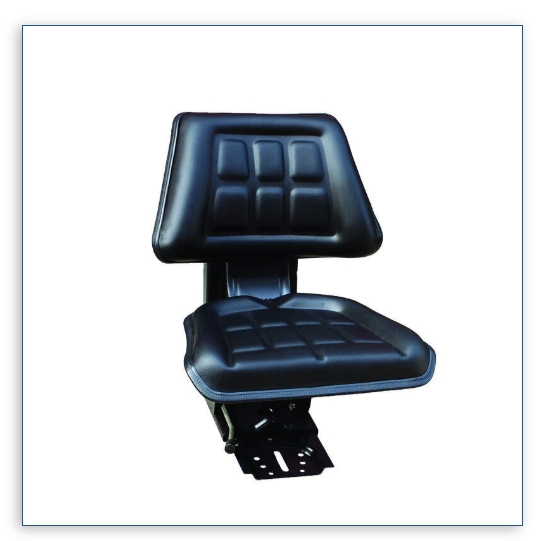

Optimizing Tractor Seat Design for Comfort and Productivity
A well-designed tractor seat is crucial for operator comfort, reducing fatigue, and ultimately boosting productivity. This article delves into the key considerations for tractor seat design, exploring ergonomic principles, materials, suspension systems, and the latest innovations. We’ll cover how these elements contribute to a more efficient and comfortable working experience for farmers and agricultural professionals. Choosing the right tractor seat isn’t just about comfort – it’s about investing in the well-being and efficiency of your operation.
The Importance of Ergonomic Tractor Seat Design
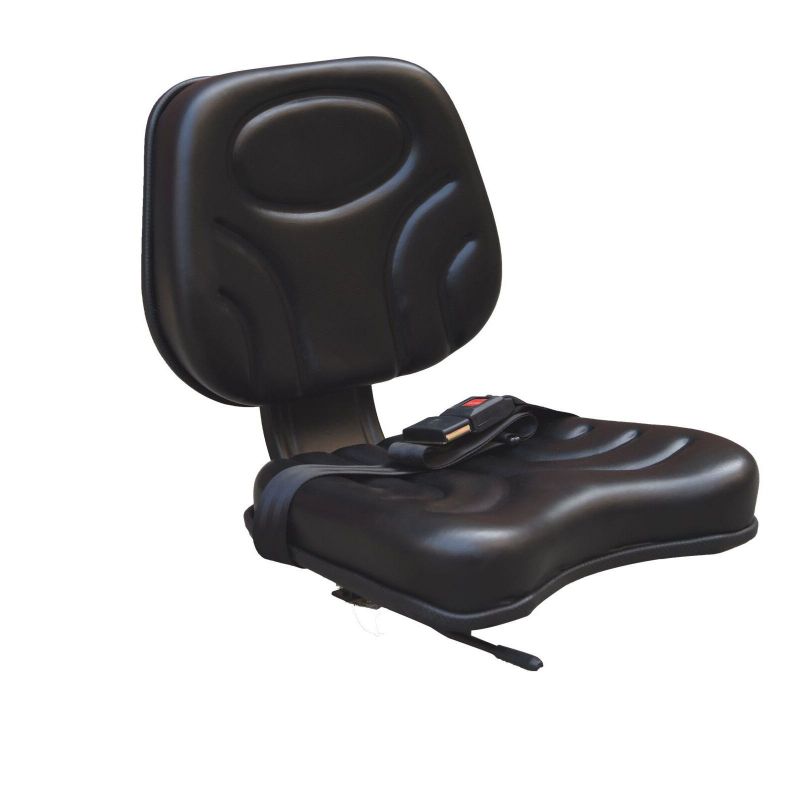
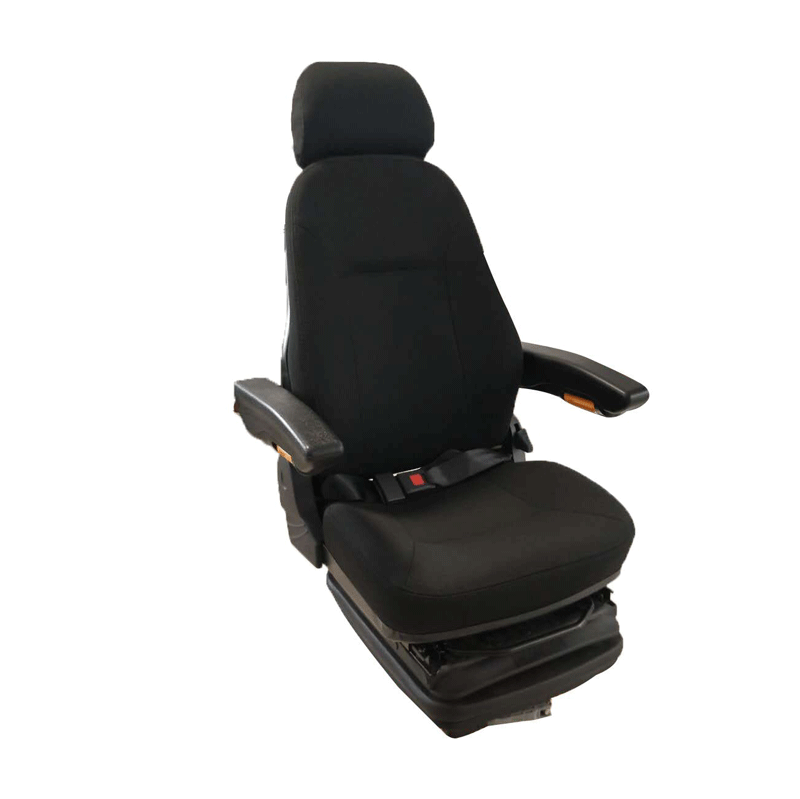
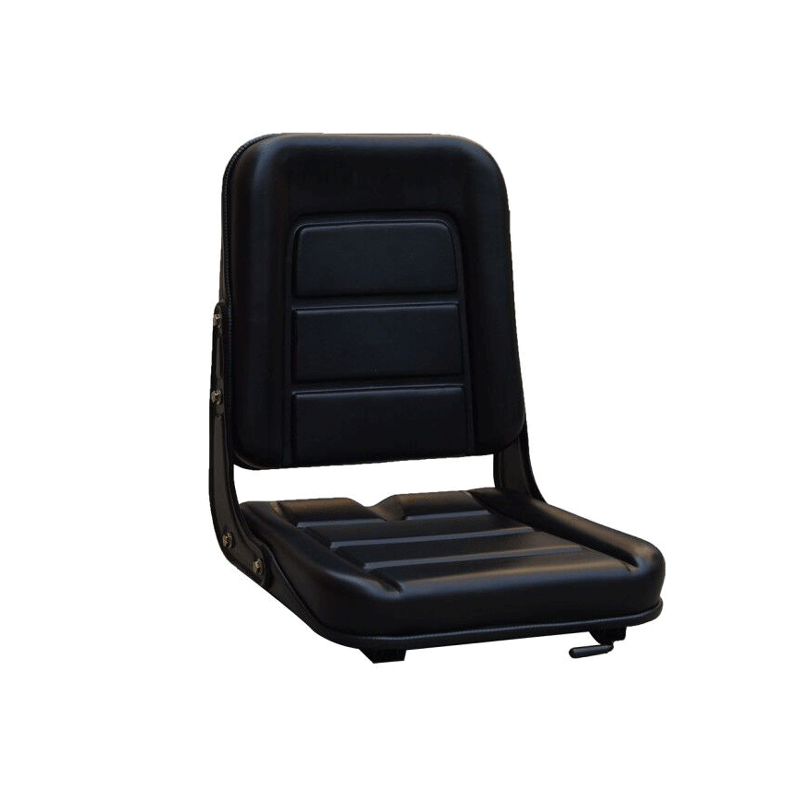
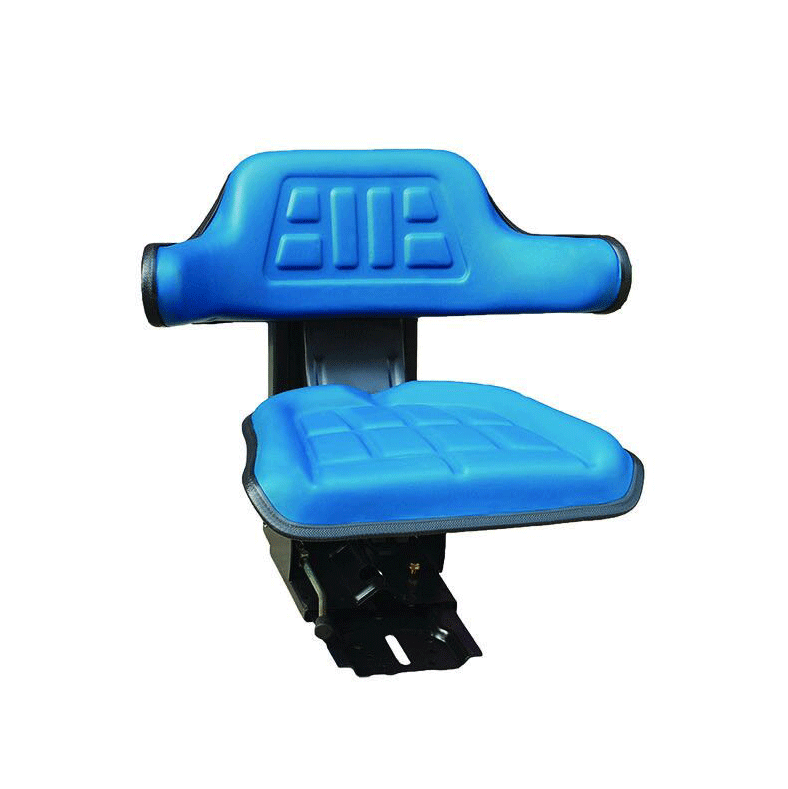
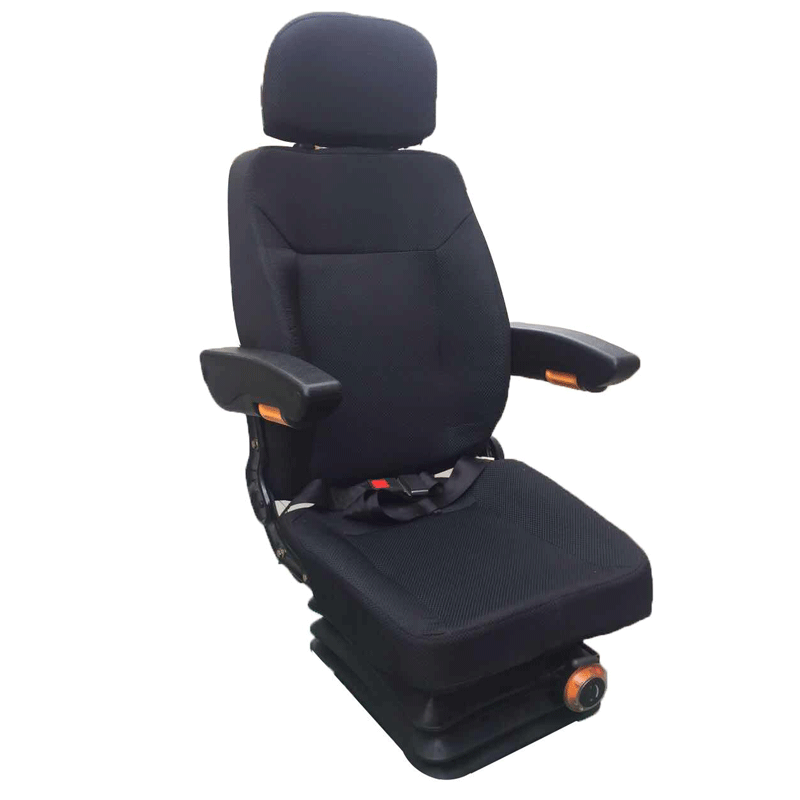
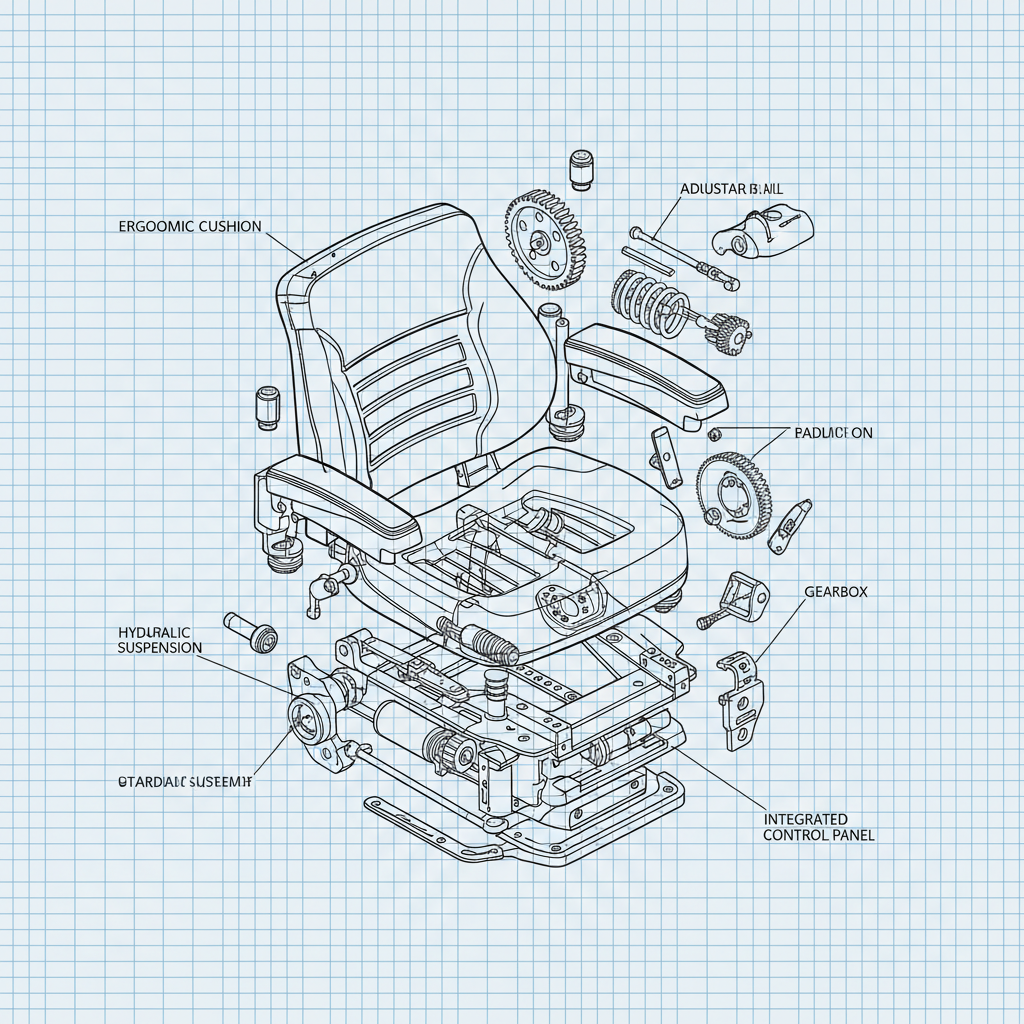
Ergonomics plays a central role in effective tractor seat design. Prolonged operation of agricultural machinery can lead to musculoskeletal disorders (MSDs) if the seat doesn't adequately support the operator's body. A properly designed seat promotes good posture, reduces pressure points, and minimizes vibrations. Key ergonomic factors include lumbar support, seat width and depth, adjustability, and armrest positioning. These features allow operators to customize the seat to their individual needs and body type, fostering a comfortable and efficient working posture. Investing in an ergonomically sound seat significantly reduces operator fatigue and enhances overall comfort.
Key Ergonomic Considerations: Lumbar support, seat width & depth, adjustability (height, backrest angle), armrest positioning, and vibration dampening.
Materials Used in Tractor Seat Construction
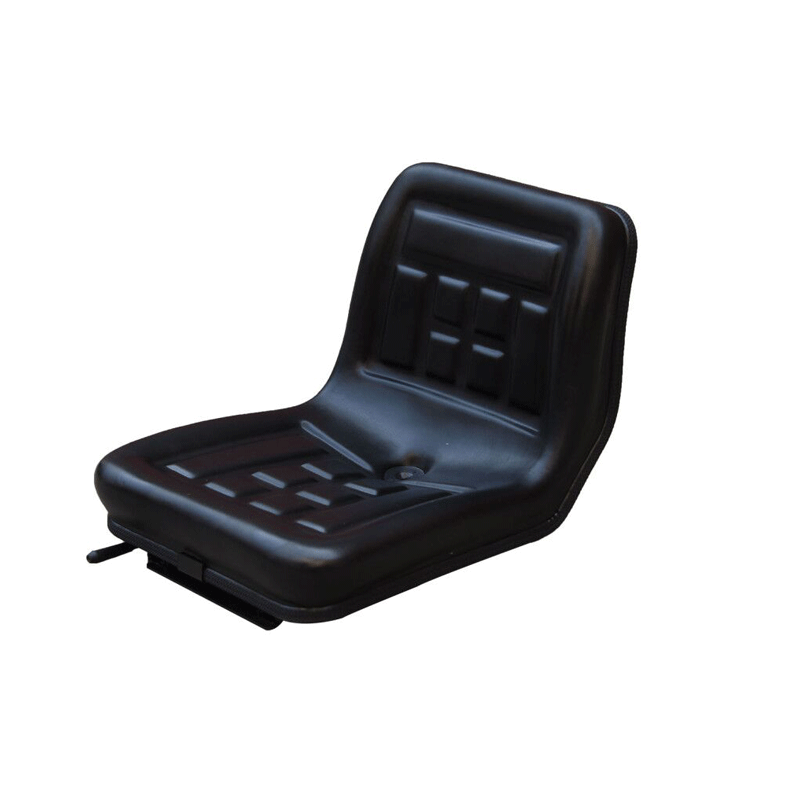
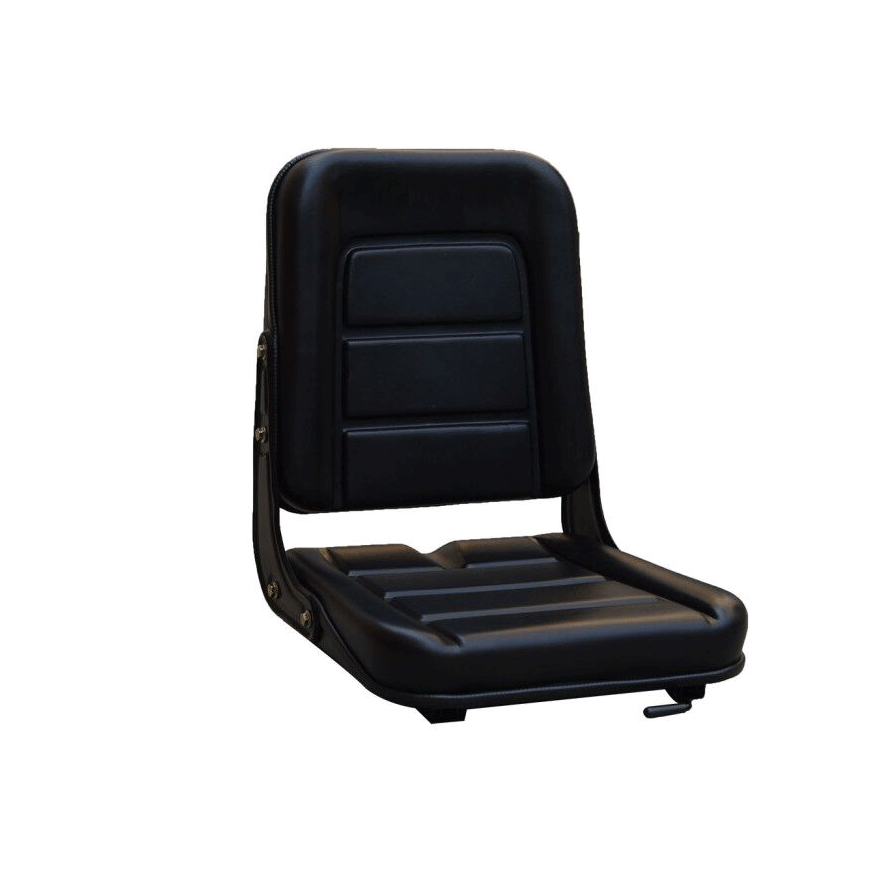
The materials used in tractor seat construction heavily influence durability, comfort, and weather resistance. Common materials include PVC, polyurethane foam, and various textile fabrics. PVC is often used for the seat cover due to its water resistance and ease of cleaning. Polyurethane foam provides cushioning and support. High-density foam is preferred for its long-lasting resilience. Textiles are frequently used for armrests and backrests, offering breathability and comfort. The quality of these materials directly impacts the seat's ability to withstand harsh outdoor conditions and provide long-term comfort for the operator. Changshu OKJ specializes in sourcing and utilizing high-quality materials to ensure durability and operator comfort.
Material Properties:
• PVC: Water-resistant, durable, easy to clean.
• Polyurethane Foam: Excellent cushioning and support.
• Textile Fabrics: Breathable and comfortable for armrests and backrests.
Understanding Suspension Systems in Tractor Seat Design
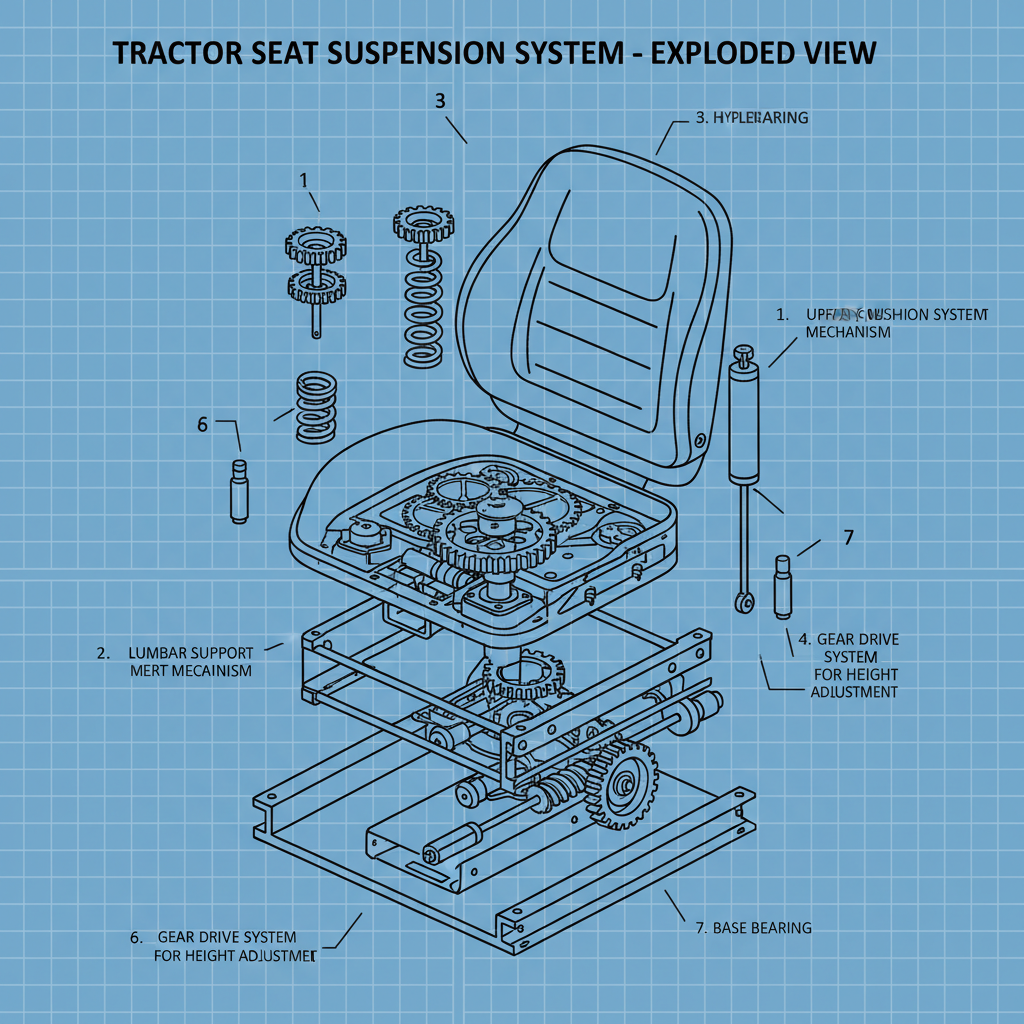
One of the most important aspects of tractor seat design is the suspension system. This system absorbs shocks and vibrations from the terrain, minimizing discomfort and fatigue. Common suspension systems include mechanical, pneumatic, and active suspension. Mechanical suspension uses springs and dampers, while pneumatic suspension utilizes air pressure for a smoother ride. Active suspension systems employ sensors and actuators to dynamically adjust to changing terrain conditions. The choice of suspension system depends on the type of tractor, the operating environment, and the operator’s preferences. A well-tuned suspension system is essential for maximizing operator comfort and minimizing long-term health risks.
Latest Innovations in Tractor Seat Design
Recent advancements in tractor seat design focus on enhancing comfort, incorporating smart technology, and improving overall ergonomics. Features like automatic weight adjustment, heated and cooled seats, and integrated massage functions are becoming increasingly common. Some seats now include sensors that monitor operator posture and provide alerts to encourage good ergonomic habits. Changshu OKJ is at the forefront of these innovations, constantly researching and developing new solutions to improve operator comfort and productivity. These technological advancements represent a significant step forward in creating a more sustainable and comfortable working environment for agricultural professionals.
Choosing the Right Tractor Seat: Key Considerations
Selecting the appropriate tractor seat involves considering several factors. First, determine the size and type of tractor. Second, assess the operating conditions – is the terrain particularly rough? Third, consider the operator’s individual needs and preferences. Features like adjustable lumbar support, armrests, and suspension are crucial for maximizing comfort. Ensure the seat meets relevant safety standards and is compatible with the tractor model. Changshu OKJ offers a wide range of tractor seats to suit various applications and budgets. Investing in a quality seat will pay dividends in terms of operator comfort, productivity, and long-term health.
Conclusion: Prioritizing Comfort and Productivity with Superior Tractor Seat Design
Investing in a well-designed tractor seat is a critical step towards enhancing operator comfort, reducing fatigue, and maximizing productivity. By considering ergonomic principles, material quality, suspension systems, and the latest innovations, you can ensure a comfortable and efficient working experience for agricultural professionals. Don’t underestimate the impact of a quality seat – it's a vital investment in the well-being of your workforce and the success of your operation.
Frequently Asked Questions (FAQs)
How often should a tractor seat be replaced?
The lifespan of a tractor seat depends on usage and environmental conditions. Generally, seats should be inspected annually for wear and tear. Replacement is recommended every 5-7 years, or sooner if significant damage is detected, such as cracks, tears, or foam compression. Regular maintenance, including cleaning and protecting the seat from the elements, can extend its lifespan. Ignoring wear and tear can compromise operator comfort and safety.
What is the importance of lumbar support in a tractor seat?
Lumbar support is crucial for maintaining proper spinal alignment and reducing lower back pain. Prolonged sitting without adequate lumbar support can lead to fatigue, discomfort, and even chronic back problems. A well-designed lumbar support system conforms to the natural curvature of the spine, providing essential support and cushioning. Adjustable lumbar support allows operators to customize the level of support to their individual needs.
How does pneumatic suspension differ from mechanical suspension?
Pneumatic suspension uses air pressure to provide a smoother, more adjustable ride compared to mechanical suspension, which relies on springs and dampers. Pneumatic systems allow operators to adjust the ride height and firmness to suit their weight and the terrain conditions. This results in superior vibration dampening and reduced operator fatigue. While more expensive, pneumatic suspension offers a significant improvement in comfort, especially for long hours of operation on rough terrain.
Are there tractor seats designed for specific operator weights?
Yes, many tractor seat manufacturers offer models designed for specific operator weight ranges. These seats incorporate suspension systems and cushioning calibrated to provide optimal support and comfort for different body weights. Using a seat that isn't appropriately sized for the operator can lead to discomfort and reduced effectiveness of the suspension system. Selecting a seat with the correct weight capacity is a crucial part of ensuring operator well-being.
Post time: Jan . 27, 2026 20:05