Selecting the right garden tractor seat is more than just a matter of convenience; it is a critical decision that affects operator health, machine productivity, and overall safety. In the world of lawn and garden maintenance, the interface between the human operator and the machine is the seat, and an ergonomic failure here can lead to chronic back pain and reduced operational efficiency.
Globally, the demand for high-quality agricultural and gardening equipment has surged as residential land management becomes more professionalized. A premium garden tractor seat ensures that the user can sustain long hours of operation without fatigue, bridging the gap between heavy-duty industrial capability and residential comfort.
Understanding the engineering behind these components—from high-density foam and UV-resistant vinyl to suspension systems—allows owners to maximize the lifespan of their equipment. By focusing on durability and ergonomic support, users can transform a mundane chore into a streamlined, comfortable experience.
Global Market Context of Garden Tractor Seats
The global landscape for garden machinery has shifted toward a "comfort-first" paradigm. As urbanization creates larger suburban estates, the frequency of tractor use has increased, making the garden tractor seat a focal point for manufacturers competing on user experience. Industry standards, often aligned with ISO ergonomic guidelines, now emphasize the reduction of Whole-Body Vibration (WBV) to prevent long-term musculoskeletal disorders.
Across North America and Europe, where residential landscaping is a multi-billion dollar industry, the failure of a seat is often the primary catalyst for equipment upgrades. When a seat cracks or loses its cushion, the perceived value of the entire machine drops, highlighting the critical role of high-quality materials in maintaining the asset's resale value and the operator's health.
Defining the Modern Garden Tractor Seat
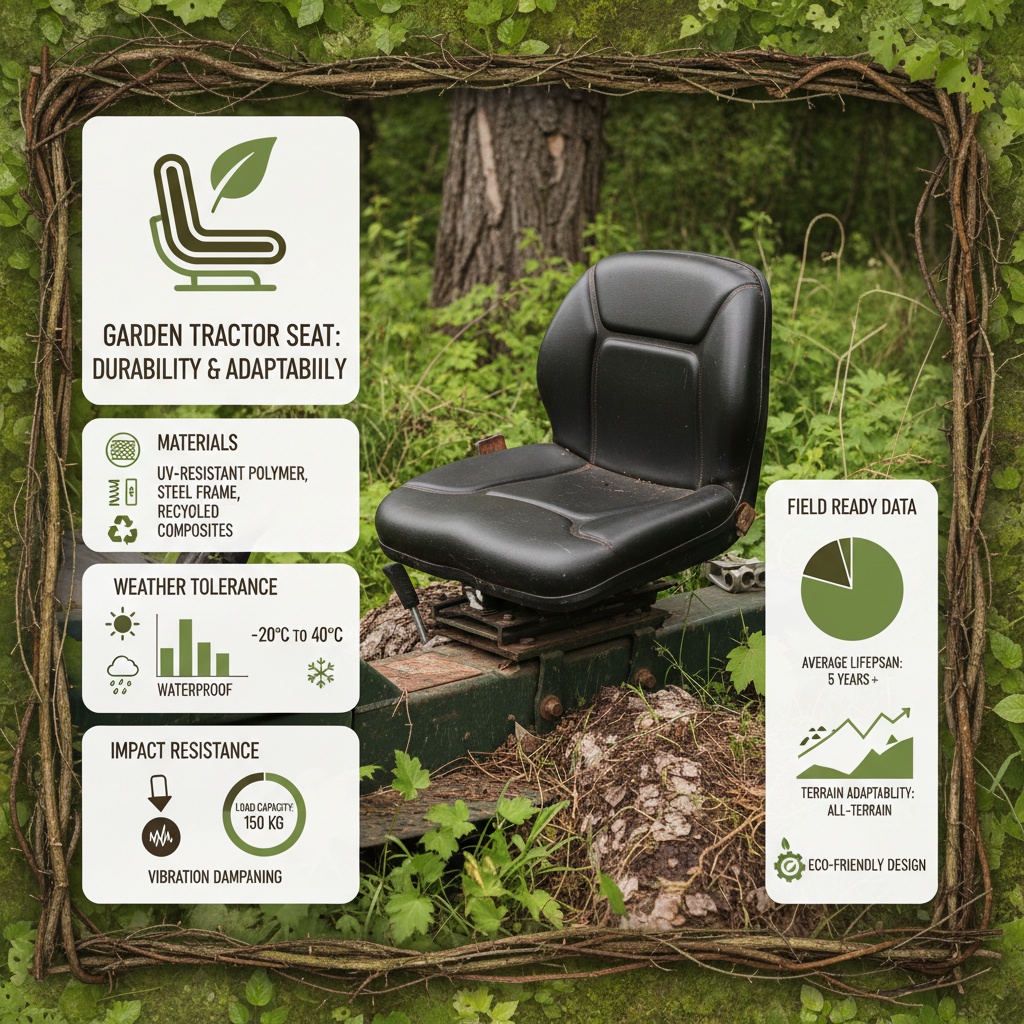
At its most basic level, a garden tractor seat is a specialized piece of equipment designed to support the human body during the operation of a riding mower or small tractor. Unlike standard chairs, these are engineered to withstand extreme weather conditions, including intense UV exposure and moisture, while providing stability on uneven terrain.
In a broader industrial context, these seats represent a convergence of material science and human factors engineering. They are no longer simple plastic shells but complex assemblies involving high-density polymers, weather-treated fabrics, and mechanical springs that act as the first line of defense against ground-induced shocks.
For the modern homeowner or small-scale farmer, the seat is the primary interface with their investment. A well-defined seat design ensures that the operator remains centered and stable, which directly translates to better steering precision and safer operation of the machine's attachments.
Core Components and Engineering Factors
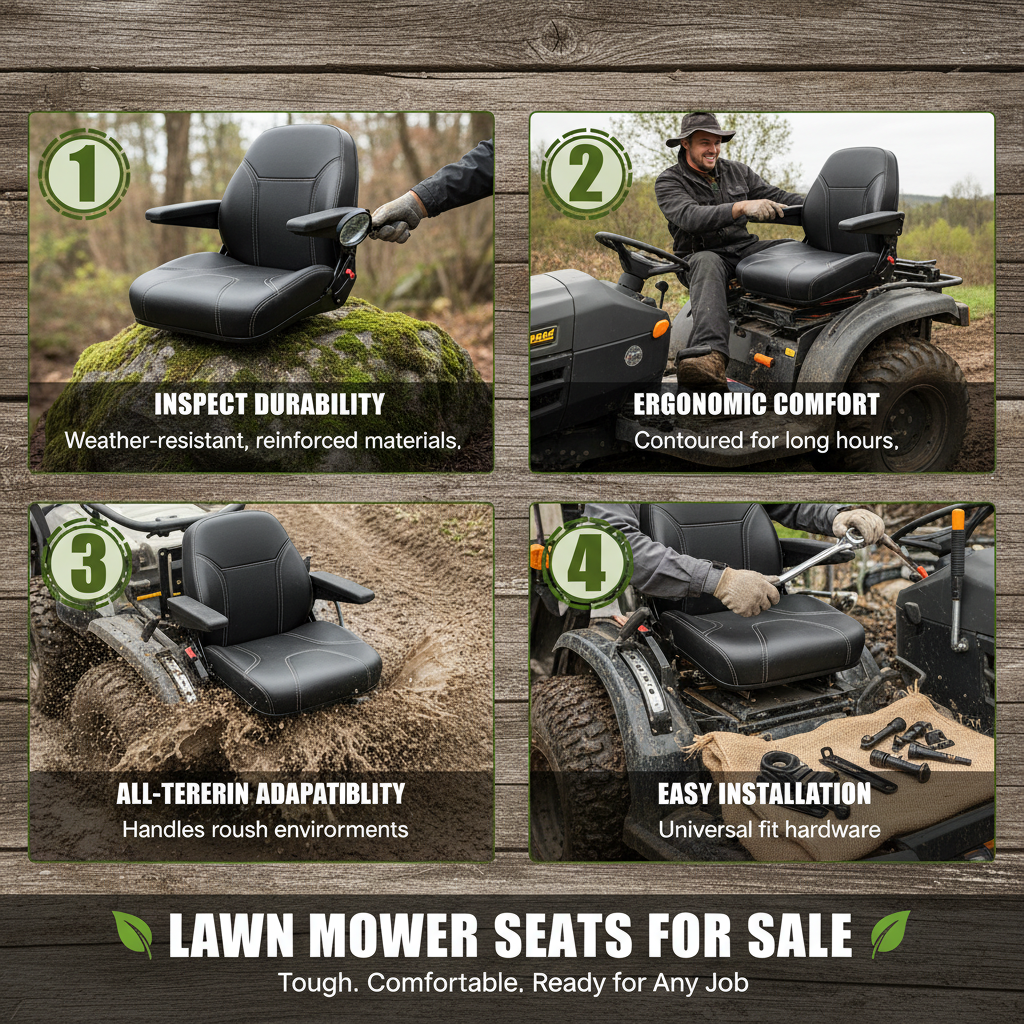
Durability is the cornerstone of any high-performance garden tractor seat. The use of heavy-duty vinyl or reinforced synthetic leather prevents tearing and water ingress, ensuring that the inner foam remains dry and retains its structural integrity over years of seasonal use.
Ergonomic contouring is what separates a basic model from a professional-grade garden tractor seat. By incorporating lumbar support and a calculated seat-to-back angle, manufacturers can reduce the pressure on the lower spine, which is frequently compressed when driving over bumpy lawns.
Suspension and adjustability further enhance the utility. Whether through a simple spring-loaded base or a sophisticated slide mechanism, the ability to tailor the seat position to the operator's height ensures that pedals and steering wheels are accessed without strain, reducing the risk of operator fatigue.
Practical Applications and User Performance
The application of a high-quality garden tractor seat varies across different terrains. In flat, manicured lawns, the focus is on breathability and surface comfort. However, in rural "hobby farms" or undulating landscapes, the seat must function as a shock absorber to protect the operator from jarring impacts.
From a performance perspective, a stable seat allows the operator to maintain a consistent center of gravity. This is particularly vital when using heavy attachments like tillers or snow blowers, where the operator must lean or shift weight to maintain control without slipping from the seat.
Performance Rating of Garden Tractor Seat Variations
Long-Term Value and Economic Advantages
Investing in a premium garden tractor seat offers significant long-term economic advantages. Cheap seats often degrade within two seasons, leading to repeated replacement costs and potential damage to the tractor's chassis from rusted mounting brackets. A high-grade seat, however, maintains its form and function for a decade or more.
Beyond the direct replacement cost, there is the value of operational uptime. An uncomfortable seat leads to shorter working intervals and lower productivity. By ensuring maximum comfort, the operator can complete landscaping tasks faster and with fewer breaks, effectively increasing the "yield" of the machine's operational hours.
Future Trends in Seating Innovation
The future of the garden tractor seat is moving toward "smart" integration. We are seeing the emergence of pressure-sensing fabrics that can detect the presence of an operator for safety shut-off systems, as well as integrated heating elements for winter operation in colder climates.
Sustainability is also driving material innovation. Recycled ocean plastics and bio-based polymers are being tested to replace traditional petroleum-based vinyls. These materials aim to provide the same UV resistance and waterproofing while reducing the carbon footprint of the manufacturing process.
Additionally, the trend toward autonomous garden tractors is changing the design entirely. While the seat may become optional for some tasks, the "hybrid" tractor will require seats that can quickly transition from a control center to a passenger lounge, emphasizing versatility and rapid adjustment mechanisms.
Common Challenges and Technical Solutions
One of the most common challenges with a garden tractor seat is "foam fatigue," where the cushioning collapses after repeated use. To solve this, engineers are implementing multi-layer foam densities—a firm base layer for support and a soft top layer for immediate comfort—extending the seat's life.
Another frequent issue is UV degradation, leading to cracks and fading. The solution lies in advanced chemical stabilizers integrated into the polymer chain of the seat cover, which reflect harmful rays and prevent the material from becoming brittle over time.
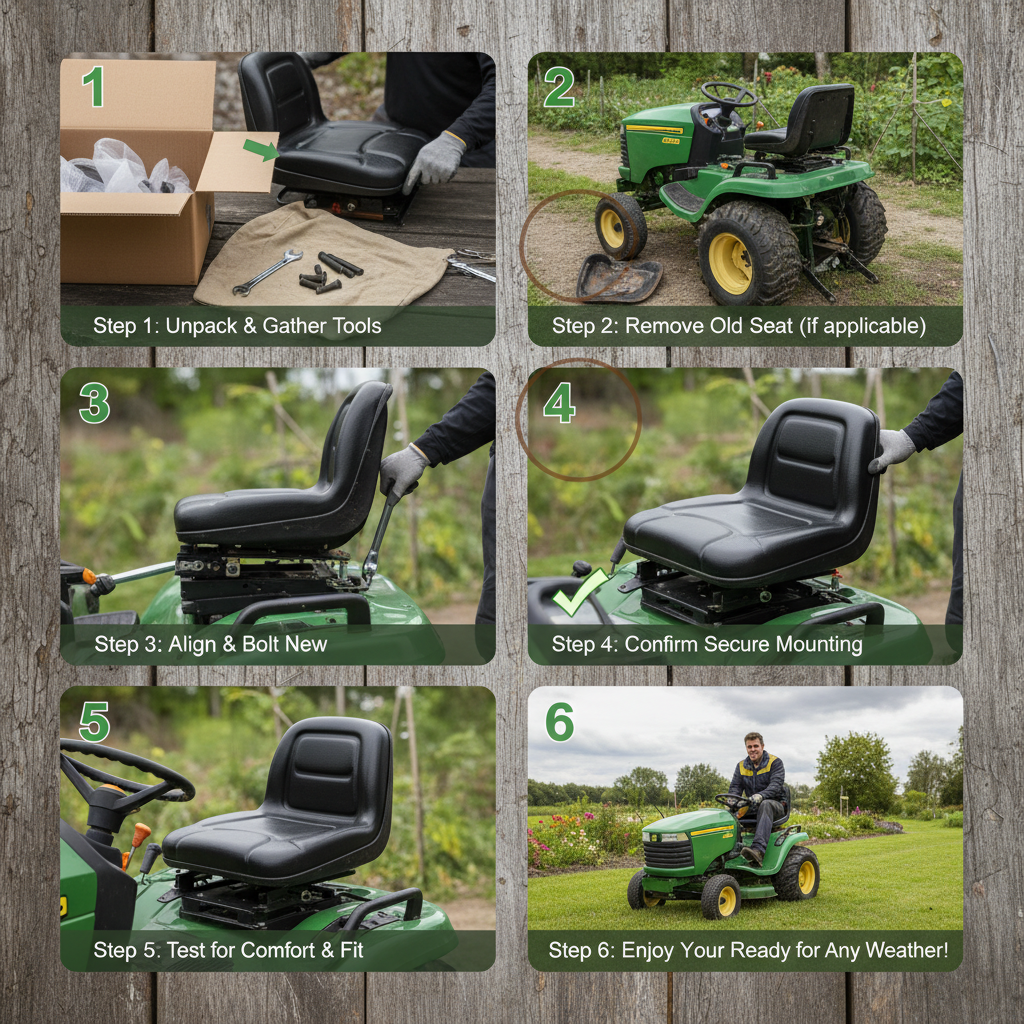
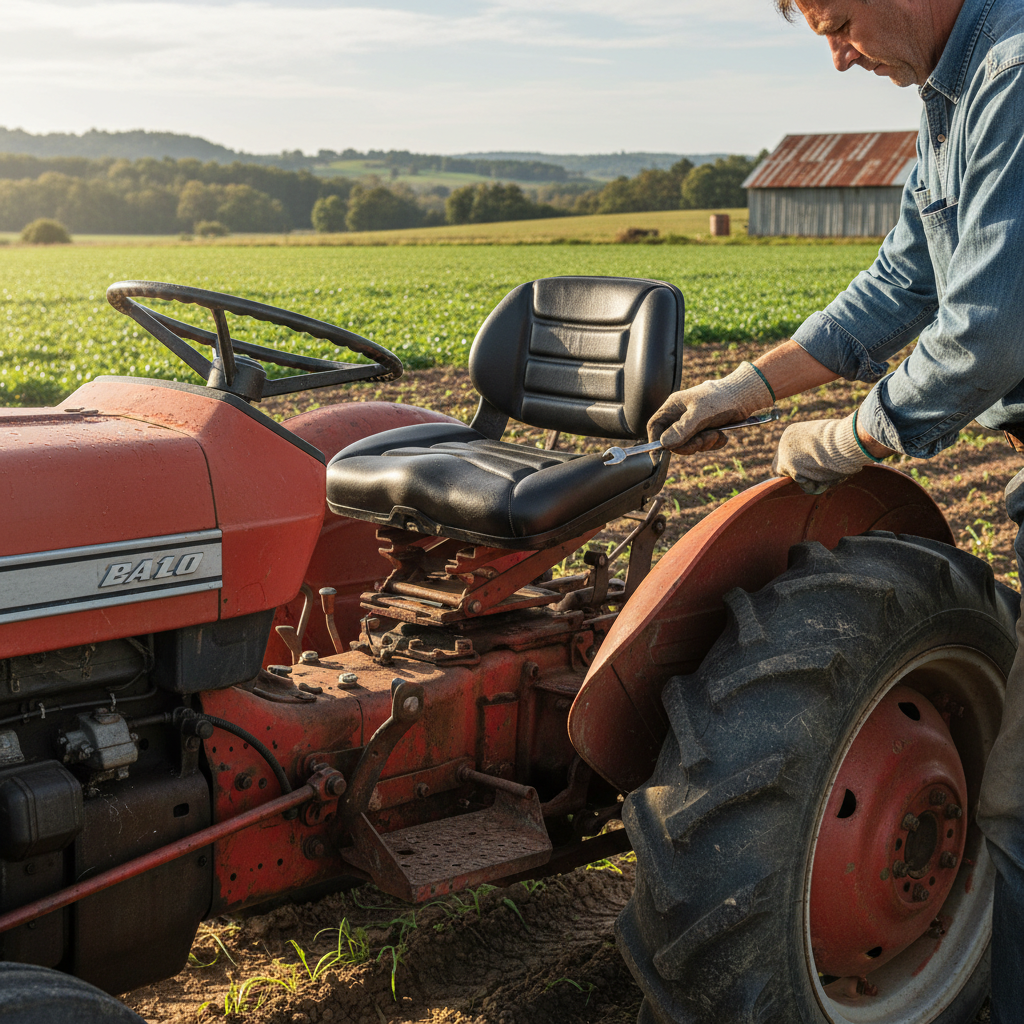
Lastly, mounting compatibility remains a hurdle for many users. Standardizing the bolt patterns across different tractor brands is a goal of the industry, but in the meantime, the development of universal adapter plates has allowed users to upgrade to premium seats regardless of their machine's make.
Technical Analysis of Garden Tractor Seat Material Performance
| Material Type |
UV Resistance (1-10) |
Waterproof Rating |
Lifespan (Years) |
| Standard Plastic |
5 |
High |
3-5 |
| Basic Vinyl |
6 |
Medium |
4-6 |
| Premium UV-Vinyl |
9 |
High |
8-12 |
| Breathable Mesh |
7 |
Low |
5-7 |
| Reinforced Polymer |
10 |
High |
15+ |
| Synthetic Leather |
8 |
Medium |
7-10 |
FAQS
Compatibility is primarily determined by the bolt hole pattern on the seat base. Most manufacturers follow a few standard industry dimensions, but you should measure the distance between the mounting holes on your tractor's frame. If the holes don't match exactly, you can use a universal adapter plate to secure a premium seat safely.
In hot climates, UV-stabilized premium vinyl is highly recommended. Standard materials can absorb heat and crack under intense sun. Look for seats with "breathable" inserts or light-colored covers, as these reflect more sunlight and reduce the surface temperature, making the operation much more comfortable during summer months.
Yes, suspension seats utilize internal springs or dampers to absorb the vertical shocks caused by uneven ground. By reducing the amount of vibration transmitted to the spine, these seats significantly lower the risk of lower back strain and fatigue, allowing the operator to work longer hours with less physical distress.
The best way to extend the life of your seat is through preventative care. Regularly wipe down the surface to remove abrasive dirt and debris. Additionally, applying a UV-protectant spray once a season can prevent the vinyl from drying out and cracking. If you store your tractor outdoors, a weather-proof cover is the most effective long-term solution.
For anyone spending more than two hours a week on their tractor, the answer is yes. The long-term health benefits of proper lumbar support far outweigh the initial cost. Ergonomic seats prevent the "slouching" effect, maintaining your posture and ensuring you have better visibility and control over the machine's steering and pedals.
Yes, the industry is shifting toward sustainable materials. Many newer models use recycled polymers for the base and bio-based synthetic leathers for the covering. These options often match the durability of traditional materials while reducing the reliance on virgin plastics and toxic chemicals during the manufacturing process.
Conclusion
In summary, the garden tractor seat is far more than a simple accessory; it is a vital component that dictates the efficiency, safety, and longevity of lawn maintenance operations. From the critical engineering of UV-resistant materials and ergonomic lumbar support to the economic benefits of reduced operator fatigue, the right seat transforms the user experience and protects the operator's long-term health.
Looking forward, the integration of smart materials and sustainable manufacturing will continue to elevate the standards of garden equipment. Whether you are a professional landscaper or a home gardener, upgrading your seating is one of the most cost-effective ways to enhance your equipment's value. For more high-quality components and professional solutions, visit our website: www.changshuokj.com.