When sourcing agricultural components, the precision of the wheel assembly often determines the overall stability and soil compaction levels of a tractor. Finding reliable tractor wheel rims suppliers involves more than just comparing prices; it requires an understanding of load-bearing capacities, material fatigue, and the specific requirements of different soil types and machinery scales.
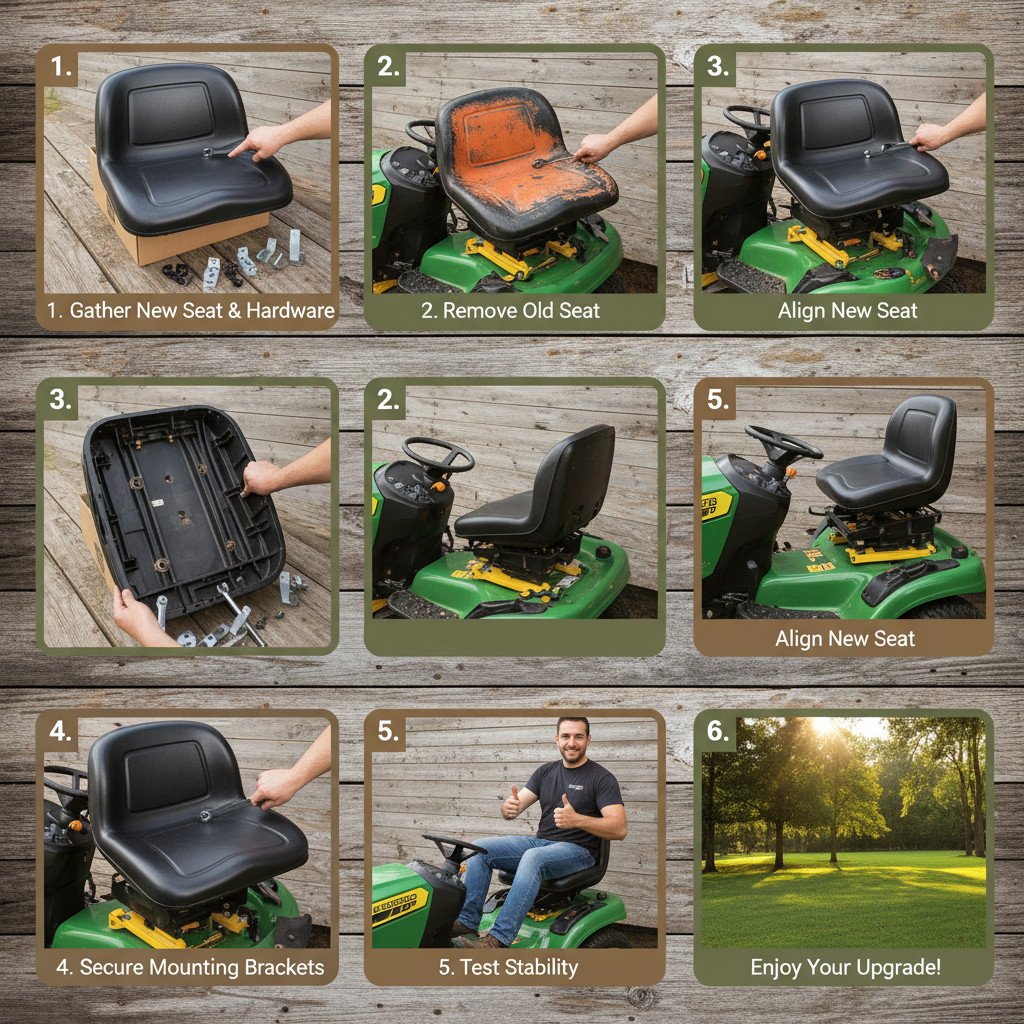
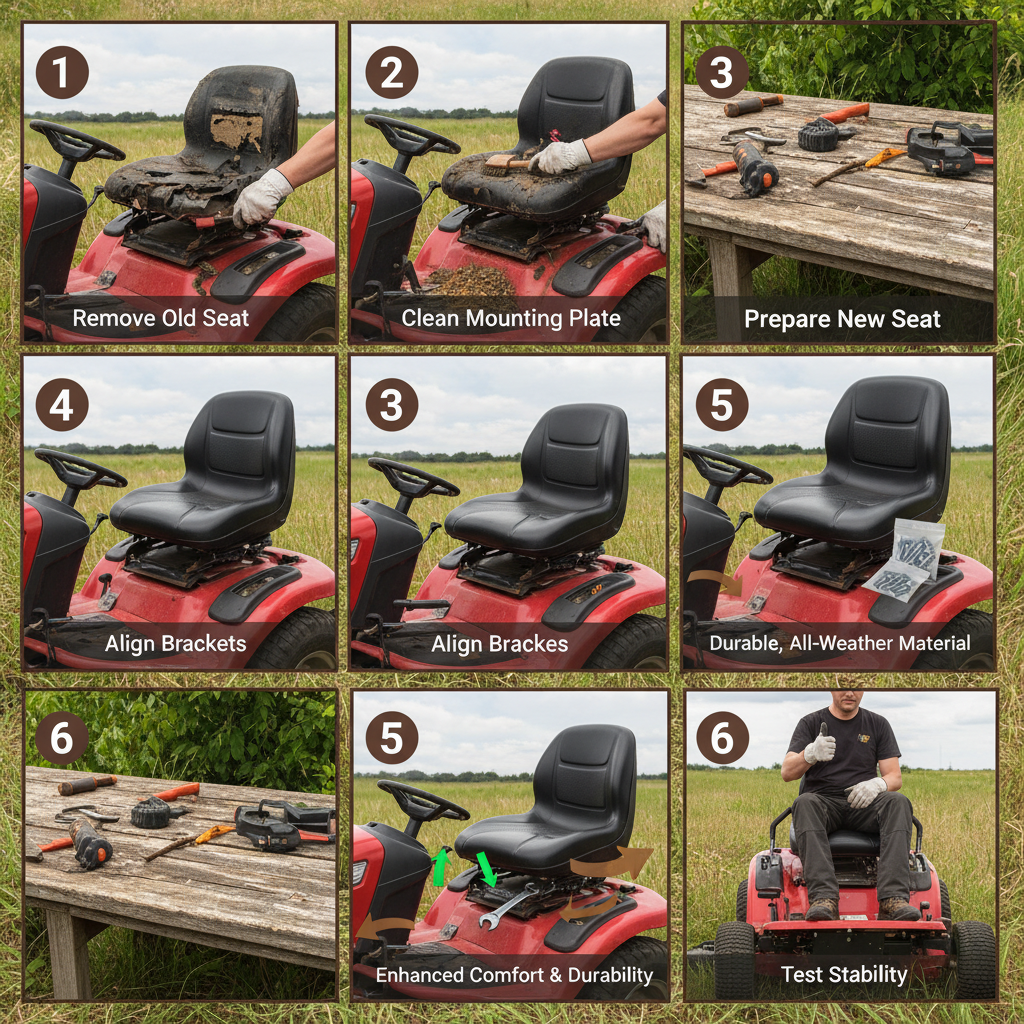
The interplay between the rim and the tire is critical for traction efficiency. In the broader context of agricultural machinery, components like the Tractor Wheel Rim must work in harmony with other ergonomic and mechanical systems, such as the Tractor Seat, to ensure the operator can maintain control while the machinery withstands the rigorous stresses of fieldwork.
This analysis explores the technical benchmarks for evaluating rim quality, the logistical considerations of global sourcing, and how to identify partners that balance manufacturing precision with scalability. For those auditing their supply chain, understanding these variables is key to securing tractor wheel rims suppliers who can deliver consistent OEM-grade performance.


Agricultural wheel rims serve as the structural foundation that supports the tire and transfers the tractor's torque to the ground. Unlike automotive rims, tractor rims must withstand massive vertical loads and significant lateral forces during turning and towing. The construction involves a center disc and a rim flange, engineered to maintain a secure bead seal under fluctuating air pressures.
From a manufacturing perspective, the integration of high-grade steel and precision welding is essential. The geometry must be exact to avoid vibration, which could otherwise lead to premature axle wear. For companies like Hebei Changshuo Tech Co., Ltd., leveraging their subsidiary Bada Machinery Parts Factory, which utilizes CNC machines, ensures that these tight tolerances are met consistently across large production batches.
Material composition is the primary determinant of rim longevity. High-tensile carbon steel is typically preferred for its balance of strength and ductility, allowing the rim to absorb shocks without cracking. The coating process—usually a combination of powder coating or specialized paint—is equally critical to prevent oxidation in humid or chemically aggressive soil environments.
The most critical technical metric is the load index relative to the offset; a rim with an incorrect offset can drastically alter the tractor's steering geometry, leading to uneven tire wear and increased fuel consumption due to rolling resistance.
Furthermore, compatibility with various tire sizes is a necessity for versatility. Suppliers must provide precise measurements of the rim width and diameter to ensure a perfect fit, as even a few millimeters of discrepancy can cause bead leakage or instability during high-torque operations in muddy terrains.
When evaluating the value of a rim, the initial purchase price is often deceptive. The true cost is reflected in the lifecycle maintenance and the downtime associated with rim failure. A precision-engineered rim reduces the risk of "bead slip," which in turn minimizes the frequency of tire replacements and reduces the labor costs associated with field repairs.
Reliability in the field is directly linked to the quality of the welding and the thickness of the steel used in the flange. Rims produced in facilities with standardized quality control, such as those integrated within the Changshuo group, typically exhibit lower failure rates under extreme stress, providing a better return on investment over a five-year operational cycle.
Different agricultural applications require different rim configurations. For example, rice paddy farming requires rims that can handle prolonged exposure to moisture and acidic soil, necessitating superior corrosion-resistant coatings. In contrast, heavy tillage requires rims with reinforced center discs to handle the immense downward pressure exerted by heavy implement loads.
The ability of a supplier to offer customized specifications—such as adjusted offsets for narrow-row crops—is a significant advantage. This flexibility allows operators to optimize the tractor's footprint, reducing soil compaction and improving crop yields, while ensuring that the mechanical components are not subjected to unnatural stress.
The industry is gradually moving toward the use of advanced alloys to reduce unsprung weight. While steel remains the standard for heavy-duty applications, the introduction of lighter, high-strength composite materials could potentially reduce fuel consumption by lowering the energy required to rotate the wheel assembly.
Another emerging trend is the integration of "smart" rim sensors. These sensors can monitor rim stress and temperature in real-time, alerting the operator to potential fatigue or failure before it occurs. This shift toward predictive maintenance is expected to become more prevalent as tractors integrate more electronic control systems.
Additionally, the move toward sustainable manufacturing is driving suppliers to adopt more eco-friendly coating processes. Reducing volatile organic compounds (VOCs) in the painting phase while maintaining the same level of corrosion resistance is a key goal for modern agricultural component factories.
One of the primary challenges for buyers is the inconsistency in quality when dealing with fragmented supply chains. The solution lies in partnering with group companies that integrate manufacturing and quality control. For instance, Hebei Changshuo Tech Co., Ltd. manages its production through established factories like Bada Machinery, ensuring a unified standard of precision.
Lead time and shipping costs also pose significant hurdles. By selecting suppliers with large-scale production capacities—such as those with numerous automatic production lines—buyers can benefit from more stable delivery schedules and reduced per-unit costs through economies of scale.
Finally, ensuring compatibility with a wide range of tractor brands, including small and medium-sized machinery, requires a supplier with extensive experience in OEM parts. Access to detailed technical drawings and the ability to produce custom sizes are essential for avoiding costly installation errors.
| Evaluation Metric | Standard Quality | OEM Grade | Impact on ROI |
|---|---|---|---|
| Steel Grade | Mild Steel | High-Tensile | Lifespan Increase |
| Coating Type | Single Layer | Powder Coated | Corrosion Delay |
| Tolerance | +/- 2.0mm | +/- 0.5mm | Vibration Reduction |
| Welding Method | Manual Arc | Automated CNC | Structural Integrity |
| Load Capacity | Standard | Reinforced | Higher Payload |
| Lead Time | Variable | Consistent | Reduced Downtime |
The correct offset is determined by the distance between the wheel's mounting surface and its centerline. You should refer to your tractor's original equipment manufacturer (OEM) specifications. An incorrect offset can lead to steering instability and premature wear on the axle bearings. Professional suppliers typically provide a compatibility chart based on tractor model and tire size to ensure the correct fit.
Stamped rims are pressed from a single sheet of steel, making them cost-effective for small, lightweight applications. Welded rims are constructed from multiple pieces joined by high-strength welds, offering significantly higher durability and load-bearing capacity. For medium to large tractors, welded rims are the standard choice due to their ability to withstand heavy tillage loads without deformation.
Rims should be inspected at the beginning of every planting and harvesting season. Look for signs of hairline cracks near the weld points, peeling paint that could indicate underlying rust, and any signs of deformation in the flange. Early detection of fatigue can prevent catastrophic rim failure in the field, which could lead to equipment damage or operator injury.
While some rims may appear similar, using a rim from a different model is generally discouraged unless the bolt pattern, center bore, and offset are identical. Even slight variations in the center bore can lead to eccentric rotation and severe vibration. Always verify technical specifications with a supplier before attempting to cross-fit rims between different machinery brands.
Corrosion is prevented through multi-stage surface treatment, including degreasing, phosphating, and the application of industrial-grade powder coatings. These coatings create a non-porous barrier that protects the steel from water, fertilizers, and pesticides. High-quality suppliers use automated painting lines to ensure uniform thickness, which is essential for long-term protection in harsh environments.
CNC machining ensures that every rim is produced to exact specifications with minimal human error. This is particularly important for the mounting holes and the bead seat. Precise machining ensures that the tire fits perfectly and the wheel is perfectly balanced, which reduces fuel consumption and prevents the premature wear of the tractor's drivetrain components.
Selecting the right partner among tractor wheel rims suppliers is a strategic decision that affects both the operational efficiency and the safety of agricultural machinery. By focusing on technical parameters such as material tensile strength, precision offset, and corrosion resistance, buyers can move beyond simple cost-cutting and invest in components that offer genuine long-term value. The integration of CNC precision and rigorous quality control remains the benchmark for ensuring these components survive the rigors of modern farming.
For organizations looking to optimize their machinery fleet with durable, OEM-standard components, partnering with an integrated group that understands the synergy between mechanical parts is essential. To explore a comprehensive range of high-performance tractor spare parts, you are invited to visit the technical resources at https://www.changshuokj.com for further specifications and procurement support.