Look, I’ve spent the last fifteen years getting dirt under my fingernails on construction sites, dealing with everything from busted hydraulics to backordered steel. And one thing I’ve learned is simple: a comfortable, reliable tractor seat isn’t a luxury, it’s essential. It’s the difference between an operator finishing a long day focused and productive, and one nursing a sore back and looking for a way out. We’re talking about the core of efficiency here; if the operator's uncomfortable, everything slows down.
It’s easy to overlook something like a seat, especially when you’re focused on the big-ticket items. But the hours spent in that seat add up. A poorly designed tractor seat isn’t just a comfort issue, it's a safety issue, a productivity issue, and ultimately, a bottom-line issue. I've seen operators modify their seats with everything from cushions to plywood, trying to make things work - that's a clear sign something's wrong with the standard offering.
What's really struck me, traveling around and talking to crews, is that everyone’s needs are slightly different. What works for a guy running a combine all day in the Midwest isn’t necessarily going to cut it for a landscaper bouncing around job sites in the Northeast. That’s why finding the right tractor seat is crucial. It’s a deceptively complex piece of engineering, and getting it right makes a massive difference.
The Importance of Tractor Seat Design
Honestly, too often, the seat is an afterthought. Everyone’s worried about engine power, hydraulics, and GPS. But spend eight to ten hours a day bouncing around in a poorly designed seat, and all that fancy tech doesn’t matter much. A good design starts with understanding the vibrations and shocks operators experience. We're talking about full-body vibration (WBV) which over time can cause serious health issues. The goal isn’t just comfort, it’s mitigating those risks.
We've been pushing manufacturers to think beyond just padding. Suspension systems, adjustable lumbar support, and breathable materials are all critical. I've seen too many guys wrapping their seats in towels to try and absorb some of the impact. That shouldn't be necessary; the seat should be designed to handle the job from the start.
Global Relevance & Market Overview
The demand for comfortable and ergonomic tractor seats isn’t limited to North America or Europe. Agricultural production is booming in developing nations, and with that comes a growing need for equipment that protects operators. Places like India, Brazil, and Southeast Asia are seeing huge investment in agricultural machinery, and they're increasingly demanding higher standards of operator comfort and safety.
The market is segmented, though. You’ve got the high-end, air-ride seats for large-scale farming operations, and then you’ve got the more basic, cost-effective options for smaller farms and landscaping businesses. There’s also a growing market for aftermarket seats and accessories, as operators look to upgrade their existing equipment. Globally, the tractor seat market is estimated to be worth billions, and that number is only going to grow.
According to recent reports from the FAO, there’s a global push to improve working conditions for agricultural workers. That includes a focus on ergonomics and operator health, and a comfortable tractor seat is a fundamental part of that. It's not just about making the job more pleasant; it's about increasing productivity and reducing long-term health costs.
Defining the Modern Tractor Seat
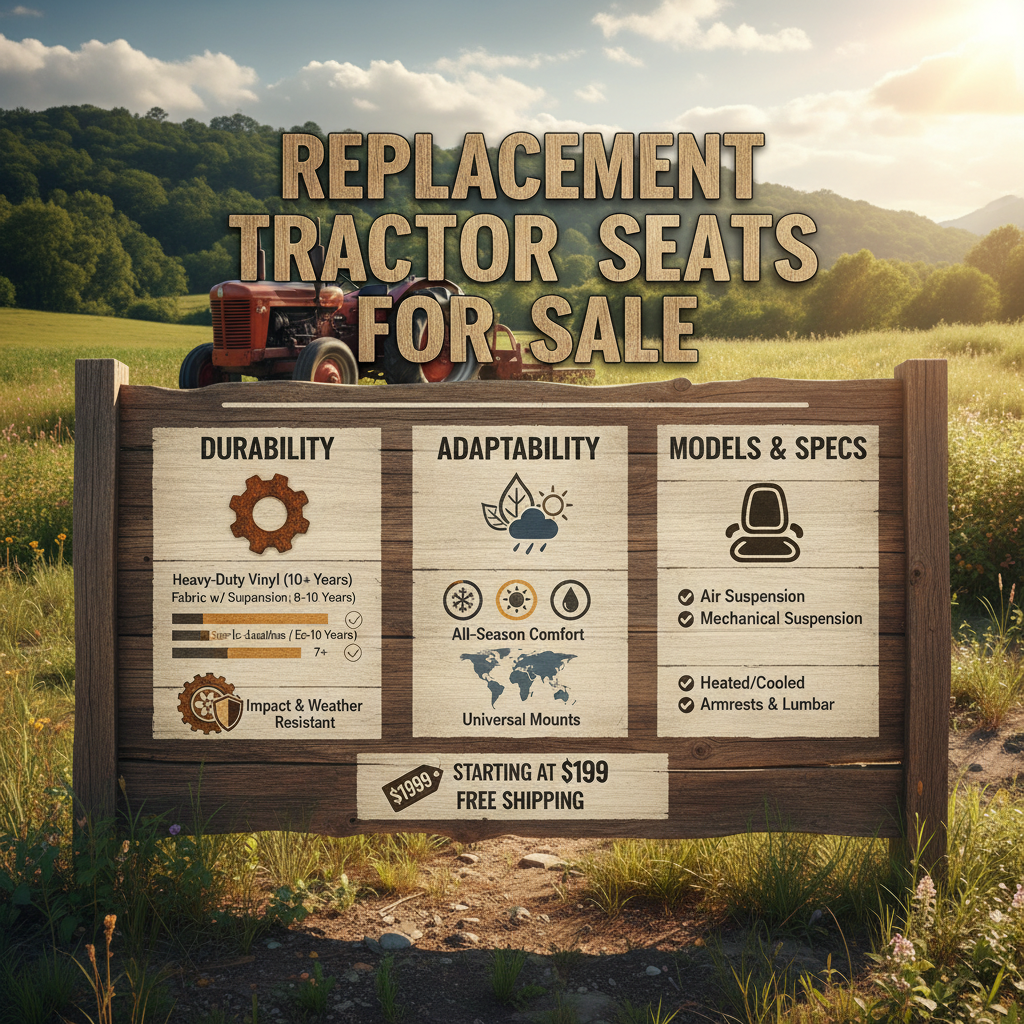
A modern tractor seat is far more than just a padded cushion. It's a complex system designed to isolate the operator from vibrations, provide ergonomic support, and enhance overall comfort. We're looking at things like adjustable suspension, lumbar support, armrests, and breathable fabrics. The materials used are critical; they need to be durable, weather-resistant, and easy to clean.
What sets apart a good seat from a great one is attention to detail. Things like the shape of the cushion, the adjustability of the armrests, and the quality of the suspension system all contribute to the overall experience. I’ve seen operators rave about seats that just "feel right," and often that comes down to those subtle design elements.
Increasingly, we’re seeing integration of technology, too. Some seats now include sensors that monitor operator posture and provide feedback to help prevent fatigue. Others have built-in heating and cooling systems for added comfort in extreme weather conditions. The modern tractor seat is constantly evolving to meet the changing needs of operators.
Key Factors: Comfort, Durability & Ergonomics
Comfort is the first thing most operators think about, and it’s definitely important. But it’s not the whole story. Durability is critical, especially in harsh environments. A seat needs to withstand years of use, exposure to the elements, and the constant pounding of rough terrain. Ergonomics are equally important – a well-designed seat supports the operator’s back, reduces muscle fatigue, and helps prevent long-term health problems.
We evaluate seats based on a few key metrics: vibration damping, adjustability, materials quality, and overall build. We test them in real-world conditions, putting them through the same stresses that operators experience every day. You can’t just rely on specs; you have to get out there and feel how the seat performs.
Tractor Seat Feature Importance
Applications Across Industries
It’s not just about tractors, either. Any equipment where an operator spends long hours sitting down needs a good seat. Combine harvesters, excavators, skid steers, even forestry equipment – the principles are the same. The specific requirements will vary depending on the application, but the need for comfort, durability, and ergonomics is universal.
I’ve worked with crews using tractor seats in vineyards, orchards, and construction sites, and the difference a good seat makes is immediately noticeable. It boosts morale, reduces fatigue, and ultimately, increases productivity.
Long-Term Value & Cost Analysis
Look, a high-quality tractor seat isn’t cheap. But when you factor in the long-term benefits – reduced operator fatigue, fewer health problems, increased productivity – the investment pays for itself. Operator health and well-being isn't just the right thing to do; it's good business.
We've seen companies reduce worker's compensation claims and improve employee retention simply by investing in better seats. It's a small change that can have a big impact. Don’t skimp on the seat; it’s the operator’s workstation, and it deserves the same attention to detail as any other critical piece of equipment.
And don't forget about resale value. Equipment with well-maintained, comfortable seats will always fetch a higher price.
Future Trends & Innovations in Tractor Seat Technology
We’re seeing a lot of exciting developments in tractor seat technology. Active suspension systems that automatically adjust to terrain are becoming more common, as are seats with built-in climate control. There’s also a lot of research going into new materials that are lighter, more durable, and more breathable.
I think we’ll see more integration of sensors and data analytics in the future. Seats that can monitor operator posture, fatigue levels, and even vital signs could help prevent accidents and improve overall safety. And, with the rise of autonomous equipment, we'll need to rethink seat design altogether – maybe even moving towards more modular and customizable solutions.
The push for sustainability is also driving innovation. Manufacturers are looking for ways to use recycled materials and reduce the environmental impact of their products. That includes exploring bio-based foams and more sustainable manufacturing processes.
Analysis of Tractor Seat Features and Performance
| Feature |
Durability Score (1-10) |
Comfort Score (1-10) |
Cost (USD) |
| Basic Vinyl Seat |
5 |
4 |
150 |
| Cloth Suspension Seat |
7 |
6 |
300 |
| Air Ride Suspension Seat |
8 |
9 |
600 |
| Premium Leather Seat w/ Heat |
9 |
10 |
1000 |
| Heavy-Duty Vinyl Seat |
10 |
5 |
200 |
| Ergonomic Mesh Seat |
6 |
8 |
450 |
FAQS
Air-ride seats use compressed air to provide a softer, more adjustable ride. They’re great for long days on rough terrain. Mechanical suspension seats use springs and dampers, offering a more basic level of cushioning. They’re generally less expensive but may not be as comfortable for extended periods. I've found air-ride is a worthwhile investment for anyone spending over 4 hours a day in the seat.
That depends on usage and conditions. A well-maintained seat can last for years, but eventually, the foam will break down and the suspension will wear out. Look for signs of cracking, tearing, or loss of support. A good rule of thumb is to replace it every 5-7 years, or sooner if you notice a significant decrease in comfort or performance. Regular cleaning and covering it when not in use can extend its life.
Vinyl is a popular choice for its water resistance and durability. However, higher-quality fabrics like reinforced polyester or neoprene can offer better comfort and breathability. The frame should be made of steel for maximum strength and stability. Pay attention to the stitching and seams, as these are often the first points of failure.
Often, yes. Original equipment (OE) seats can sometimes be lacking in features or comfort. Aftermarket seats can offer a significant upgrade, especially if you’re looking for features like adjustable lumbar support, air-ride suspension, or heated/cooled seats. Just make sure to choose a reputable brand and ensure the seat is compatible with your equipment.
Critically important. Proper lumbar support helps maintain the natural curvature of the spine, reducing strain and fatigue. Adjustable lumbar support is even better, allowing you to customize the fit to your body. Ignoring lumbar support can lead to chronic back pain and long-term health problems. It’s one of the first things I look for when evaluating a seat.
Smaller operators need a seat with adjustable armrests and a shorter seat cushion depth to ensure proper support and reach. They should also prioritize adjustability in all directions. A seat that’s too large will be uncomfortable and can even be dangerous. Look for seats specifically designed for smaller statures or those with a wide range of adjustment options.
Conclusion
At the end of the day, a good tractor seat is an investment in your health, your productivity, and your bottom line. It's easy to overlook, but it's a critical component of any operation. Don't settle for discomfort; prioritize ergonomics, durability, and adjustability.
The technology is constantly evolving, so stay informed about the latest innovations. Consider your specific needs and application, and don't be afraid to spend a little extra to get a seat that truly fits you. And if you’re still unsure, talk to someone who’s been in the trenches – a seasoned operator or a knowledgeable dealer. For more information, and to browse our range of tractor seats, visit our website: www.changshuokj.com