
Understanding the Tractor Heated Seat: Why It Matters Globally
When deep winter grips the countryside, working in cold tractor cabins isn't just uncomfortable—it can be downright debilitating. The tractor heated seat might sound like a small convenience, but in agricultural and industrial sectors worldwide, it dramatically improves operator comfort, safety, and productivity. Simply put, these heated seats keep those who tend our fields warm, alert, and able to carry on amid frosty mornings or frozen landscapes.
Globally, farmers and machine operators face harsh weather that affects not only their personal well-being but also machinery efficiency and operational output. The World Bank highlights that agriculture still accounts for significant employment worldwide, especially in developing regions prone to colder climates or high elevations. So ensuring operators stay warm isn't just about comfort—it’s about sustaining livelihoods and food security across the globe.
What Is a Tractor Heated Seat?
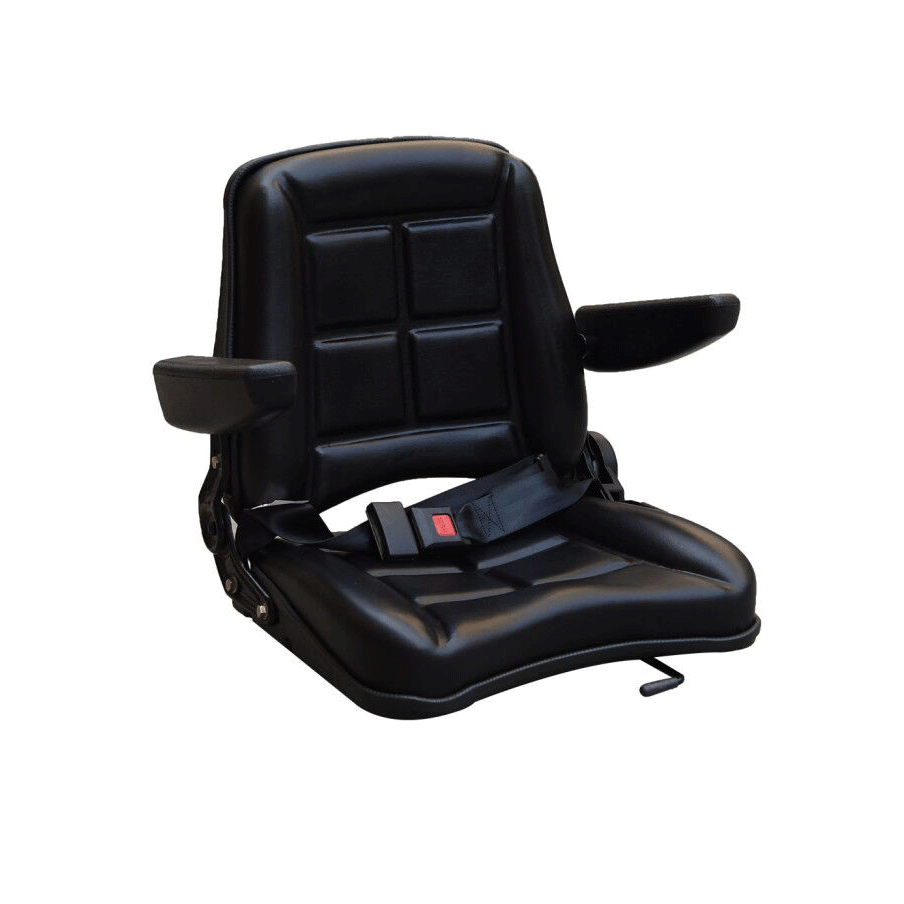
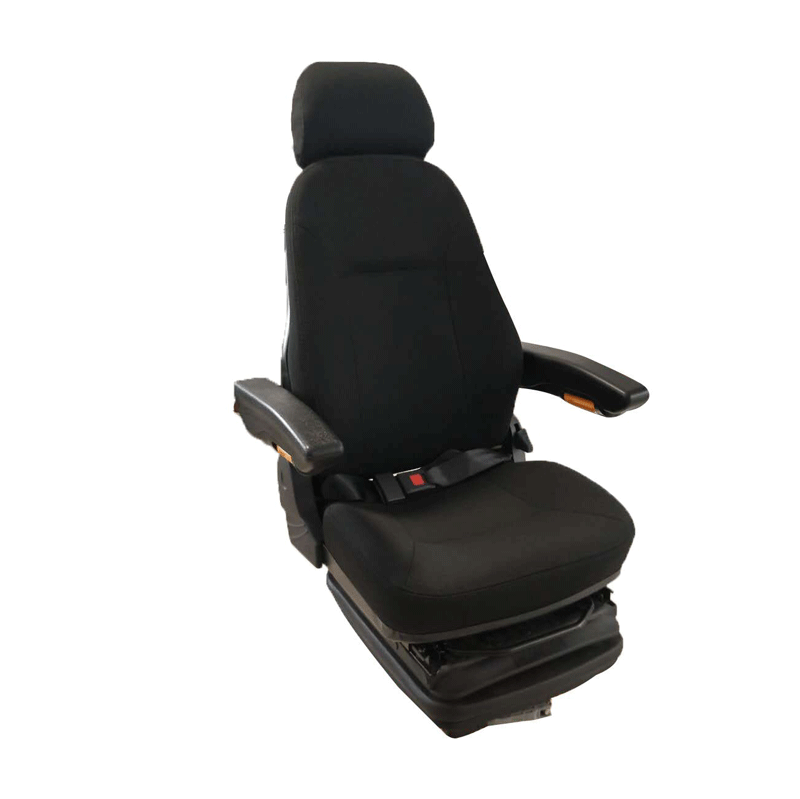
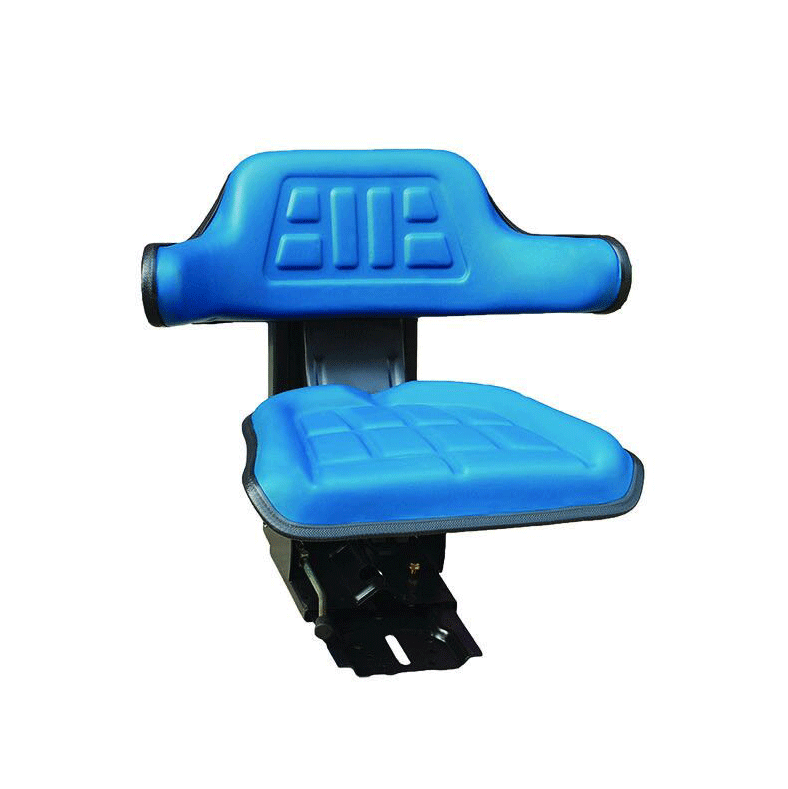
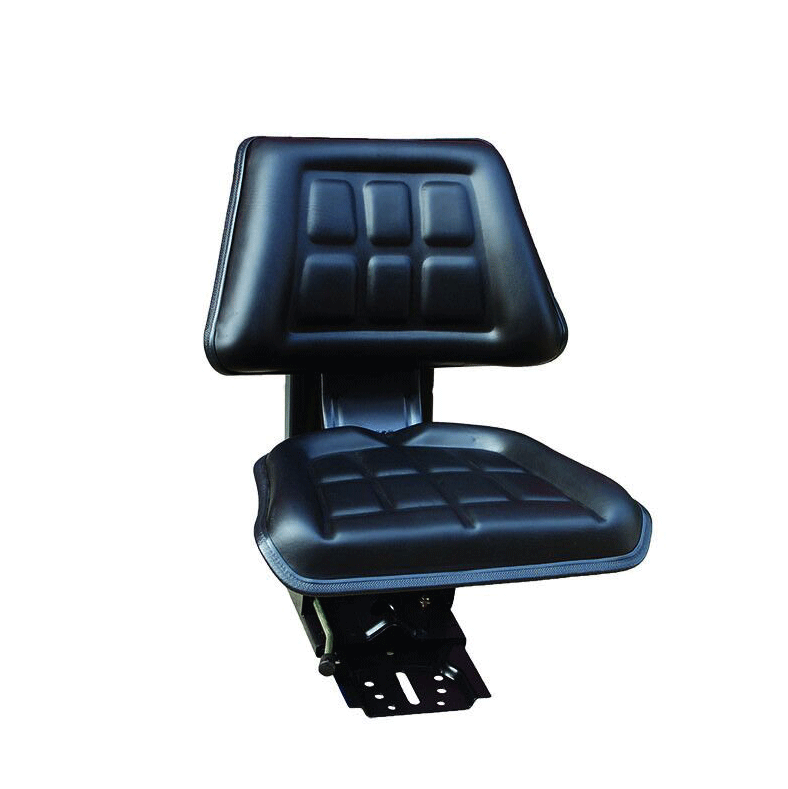
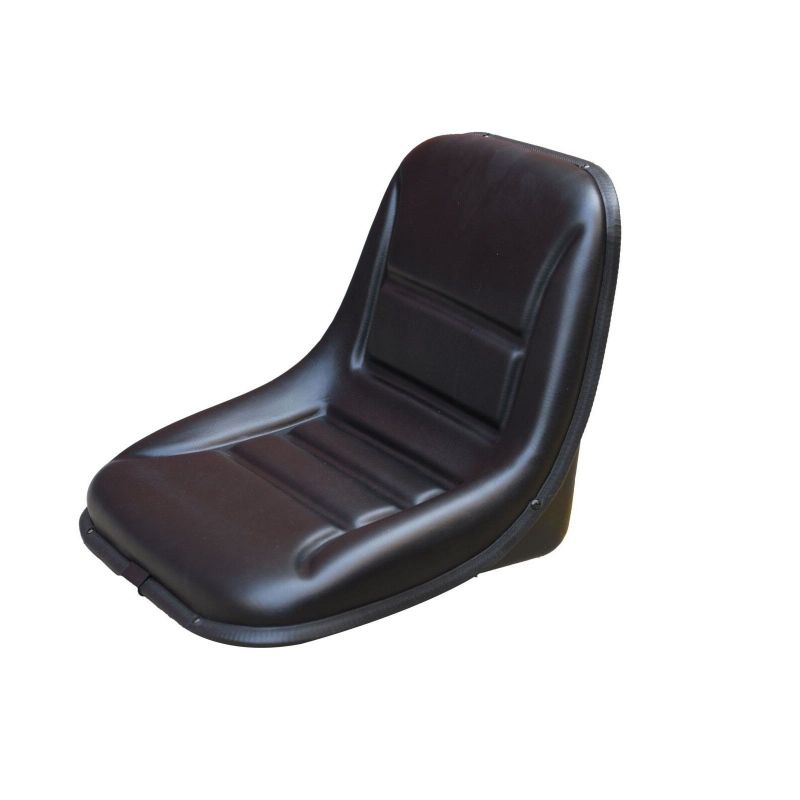
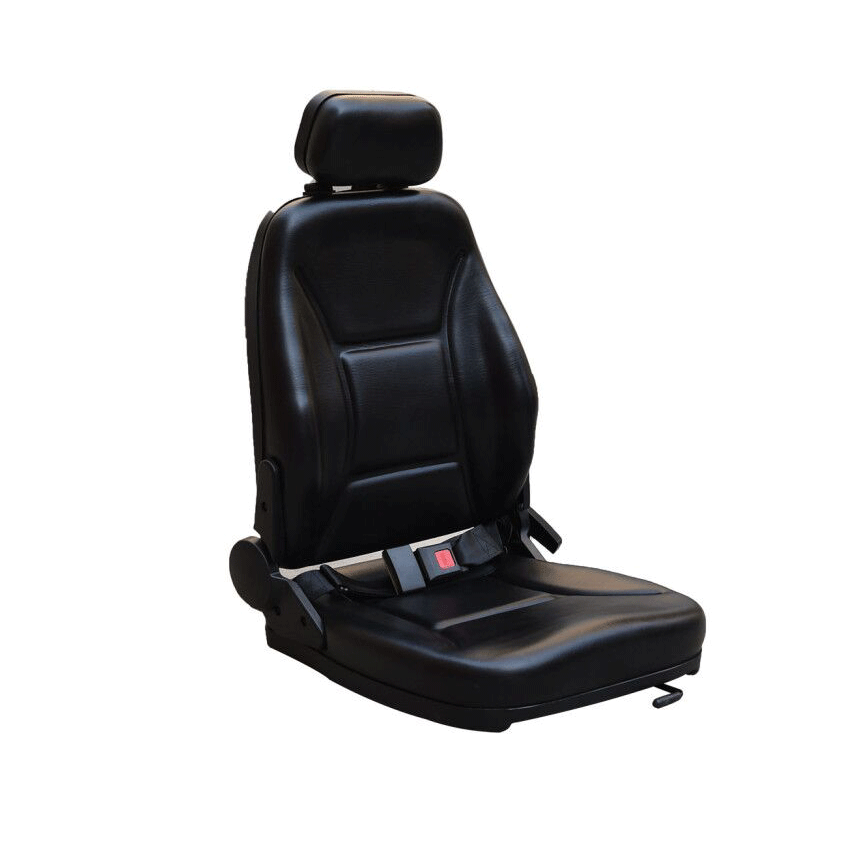
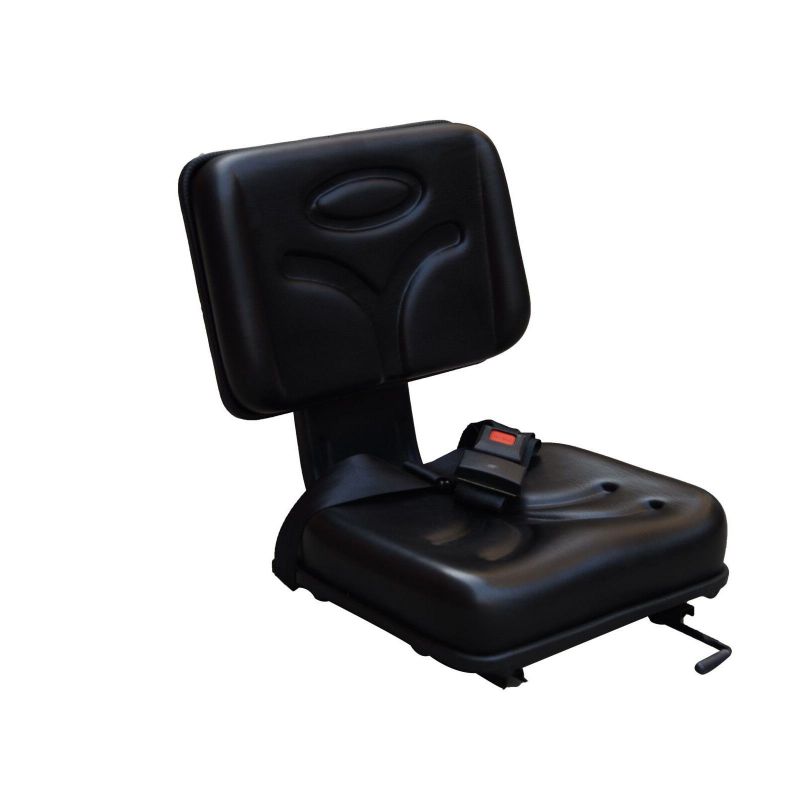
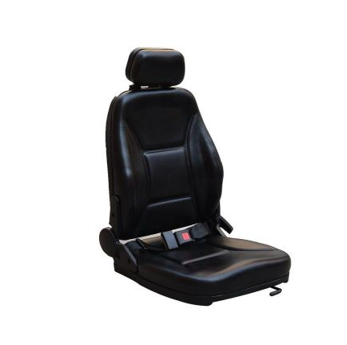
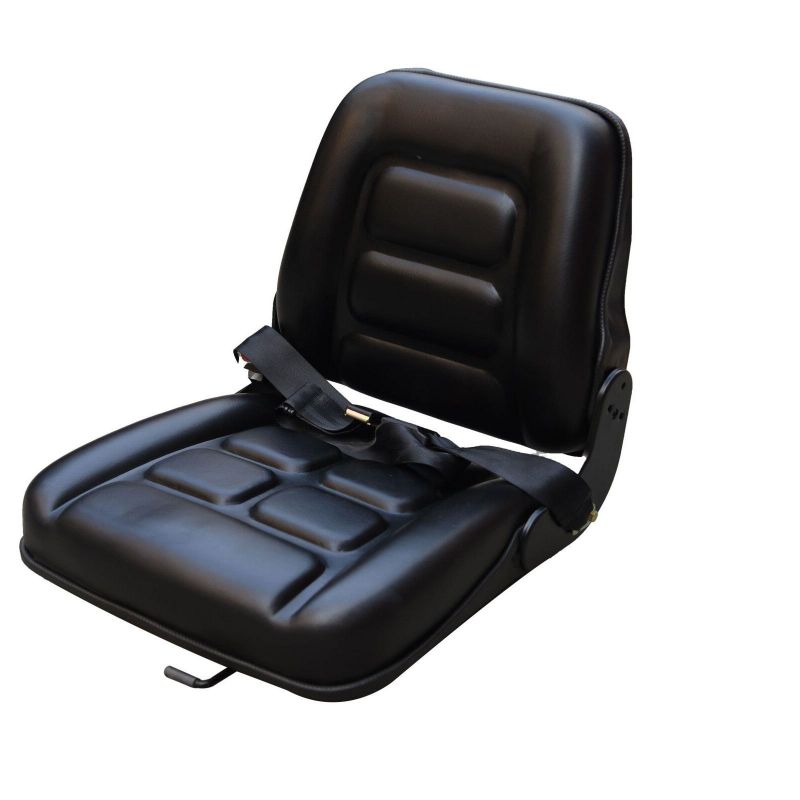
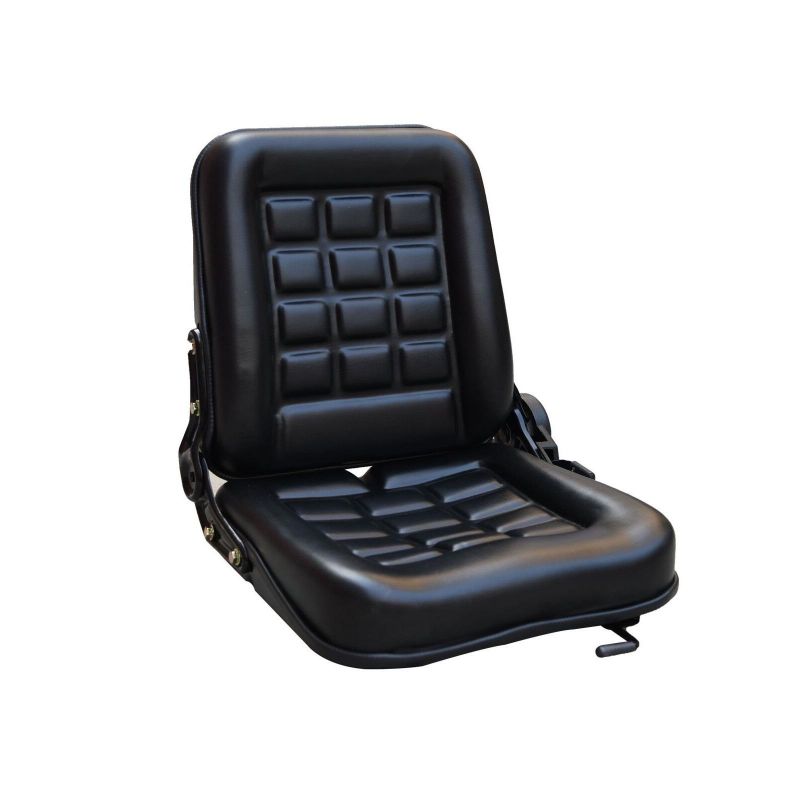
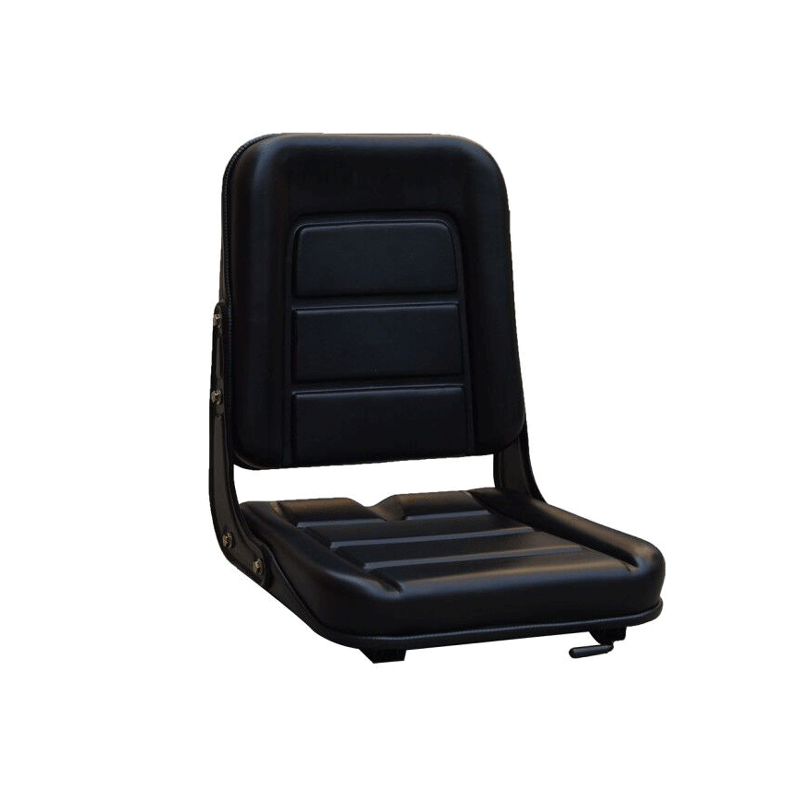
In straightforward terms, a tractor heated seat is a specially designed seat with integrated heating elements built to withstand rugged outdoor conditions. It’s meant to be installed in tractor cabins or other agricultural machinery, using electrical or sometimes hydraulic power to generate warmth precisely where the operator needs it. This technology exemplifies the blend of ergonomic design and practical engineering to meet specific industry needs.
Beyond just warm seats, they connect to modern concerns—improving operator endurance during long shifts, reducing muscle stiffness or chills that can cause fatigue, and supporting overall machinery safety. The heated seat is a small but vital cog in mechanized farming and outdoor industrial work.
Core Features and Factors of Tractor Heated Seating
Durability and Weather Resistance
Built tough—these seats are waterproof, resistant to dust, and UV stable to survive long hours in the sun, rain, or snow. Materials usually include heavy-duty synthetic leathers and rust-proof heating elements. Durability ensures minimal maintenance, essential for remote fields.
Power Efficiency
Since tractors vary widely in terms of electrical systems, efficient energy usage is key. Many models feature adjustable temperature controls and automatic shutoffs to save power and battery life, which oddly enough extends equipment longevity.
Comfort & Ergonomics
Comfort in seating isn’t just about warmth—padding thickness, seat shape, lumbar support, and breathability all play significant roles. Some seats even incorporate vibration dampening to reduce operator fatigue.
Installation Flexibility
Standardized mounting kits or universal seat frames allow these heated seats to fit a range of tractor brands and models, making upgrades easier for buyers and farmers globally.
Tractor Heated Seat Specifications That Matter
| Feature | Specification | Benefit |
|---|---|---|
| Voltage | 12V or 24V DC compatible | Compatible with most tractor electrical systems |
| Heating Elements | Carbon fiber or stainless steel wiring | Efficient heat, durable, and rust resistant |
| Temperature Control | Adjustable up to 50°C (122°F) | Customizable warmth level to operator preference |
| Material | Waterproof synthetic leather | Weatherproof and easy to clean |
| Weight Capacity | Up to 150 kg (330 lbs) | Sturdy for varied operators |
Where Tractor Heated Seats Are Changing the Game
Across Europe, North America, and increasingly in Asia and South America, tractor heated seats are no longer a niche luxury but a standard upgrade. In cold mountain regions—say, the Himalayas or the Alps—farmers working above the snow line rely heavily on reliable heated seating for all-day operations. In areas like the Canadian prairies or Siberia, the prolonged freezes make these seats essential for safety and comfort.
Agricultural contractors and large-scale farming operations embrace these seats to reduce operator downtime caused by cold-related absences or discomfort. Even in post-disaster recovery efforts where heavy machinery is deployed in harsh weather, these seats keep operators functional. Frankly, for many, it’s a blend of dignity and efficiency.
Top Vendors Compared: Who Makes the Best Tractor Heated Seats?
| Brand | Price Range | Material Quality | Warranty | Best For |
|---|---|---|---|---|
| WarmRide Pro | $180 - $230 | Premium synthetic leather | 2 years | Heavy-duty farms, commercial use |
| FarmFlex Heated | $130 - $170 | Water-resistant fabric | 1 year | Small-medium farms |
| EcoHeat Seats | $200 - $250 | Eco-friendly vegan leather | 3 years | Sustainability-focused users |
Advantages and Lasting Value of Tractor Heated Seats
- Increased Productivity: Warm operators stay focused longer, reducing breaks and errors.
- Health Benefits: Combatting cold reduces muscle stiffness, helping prevent injury.
- Fuel Economy: Less need for cabin heating means tractors burn less fuel.
- Long-term Investment: Extends equipment usability and operator career longevity.
- Emotional Comfort: Feeling warm builds morale and trust in equipment quality.
Innovation on the Horizon
Looking ahead, manufacturers are integrating smarter controls—think smartphone apps that adjust temperature remotely or AI sensors that learn operator preferences. Plus, advances in graphene heating elements promise quicker warming and longer durability with less energy consumption (ISO standards are beginning to adapt for these materials). We are also seeing a push toward solar-powered seats in regions with good sunlight, marrying sustainability with comfort.
Obstacles and Expert Solutions
Of course, there remain challenges. Some operators report inconsistent heat distribution or seats that wear out prematurely in extreme cold. Proper installation and regular maintenance are vital, yet often overlooked. Manufacturers increasingly recommend paired training sessions during setup — installation shouldn't be “DIY” without expertise. Moreover, investing in modular seat designs allows damaged components to be swapped easily, extending seat life and reducing waste.
FAQ: What You’re Curious About Tractor Heated Seats
- Q: How do tractor heated seats impact electrical systems?
- A: Most tractor heated seats operate on 12V or 24V systems and are designed to draw minimal current, especially with automatic shutoff controls. Proper wiring ensures no overload or interference, but consulting your vehicle manual or an electrician is wise.
- Q: Are heated seats compatible with all tractor models?
- A: Many heated seats come with universal mounting kits, but some models require custom adapters. Confirm dimensions and electrical specs before buying to ensure a proper fit.
- Q: Can I retrofit a heated seat myself?
- A: While some seats are designed for easy installation, it’s generally recommended to get professional installation to prevent wiring issues and to maintain warranty coverage.
- Q: Do heated seats reduce fuel consumption?
- A: Yes, by providing direct seat warming, operators may use the vehicle's cabin heater less, which can marginally reduce fuel consumption over long shifts.
- Q: How long do tractor heated seats typically last?
- A: With proper care, a good-quality heated seat can last 5+ years, depending on usage and environment.
Conclusion
The tractor heated seat encapsulates how smart, practical innovations can transform tough jobs into safer, more sustainable work experiences. Its global adoption highlights a commitment to operator well-being, economic efficiency, and environmental considerations.
If you’re considering outfitting your machinery with heated seating or just want to learn more about the latest models, visit our website for trusted products and expert advice.
“In the cold, a warm seat is more than comfort—it’s the difference between finishing the workday and giving up early.”
References
Post time: Dec . 03, 2025 19:02