
Finding the Right Replacement Tractor Rims: A Comprehensive Guide
Maintaining your tractor is crucial for efficient operation, and often overlooked are the rims. When your tractor rims are damaged or worn, finding the right replacement tractor rims is essential. This guide covers everything from identifying the correct rim type to understanding materials and choosing a reliable supplier. We’ll explore the key considerations to ensure you get durable, safe, and compatible rims for your agricultural machinery. Investing in quality rims extends the life of your tires and contributes to the overall performance of your tractor.
Understanding Tractor Rim Types
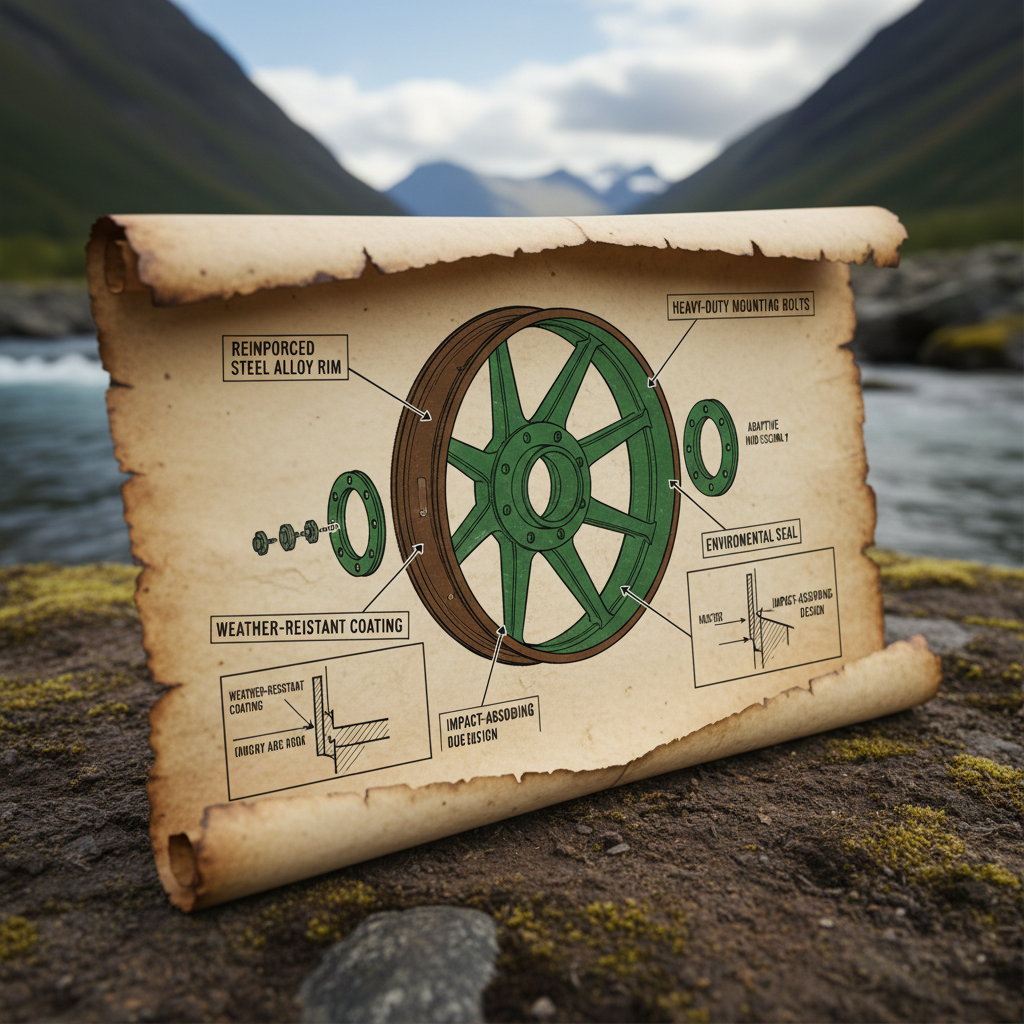
Tractor rims aren’t one-size-fits-all. They come in various types, each designed for specific tractor models and applications. Piece rims are common for smaller tractors, while two-piece or multi-piece rims are frequently found on larger agricultural machines. Understanding the rim configuration is crucial for selecting the correct replacement. Another important distinction is between flanged rims and straight-side rims, influencing how the tire mounts. Always refer to your tractor's manual or consult with a specialist to determine the appropriate rim type for your specific needs. Choosing the wrong type can compromise safety and performance.
Key Considerations: Identifying your tractor model and tire size are the first steps to selecting the appropriate replacement tractor rims.
Materials Used in Tractor Rim Construction
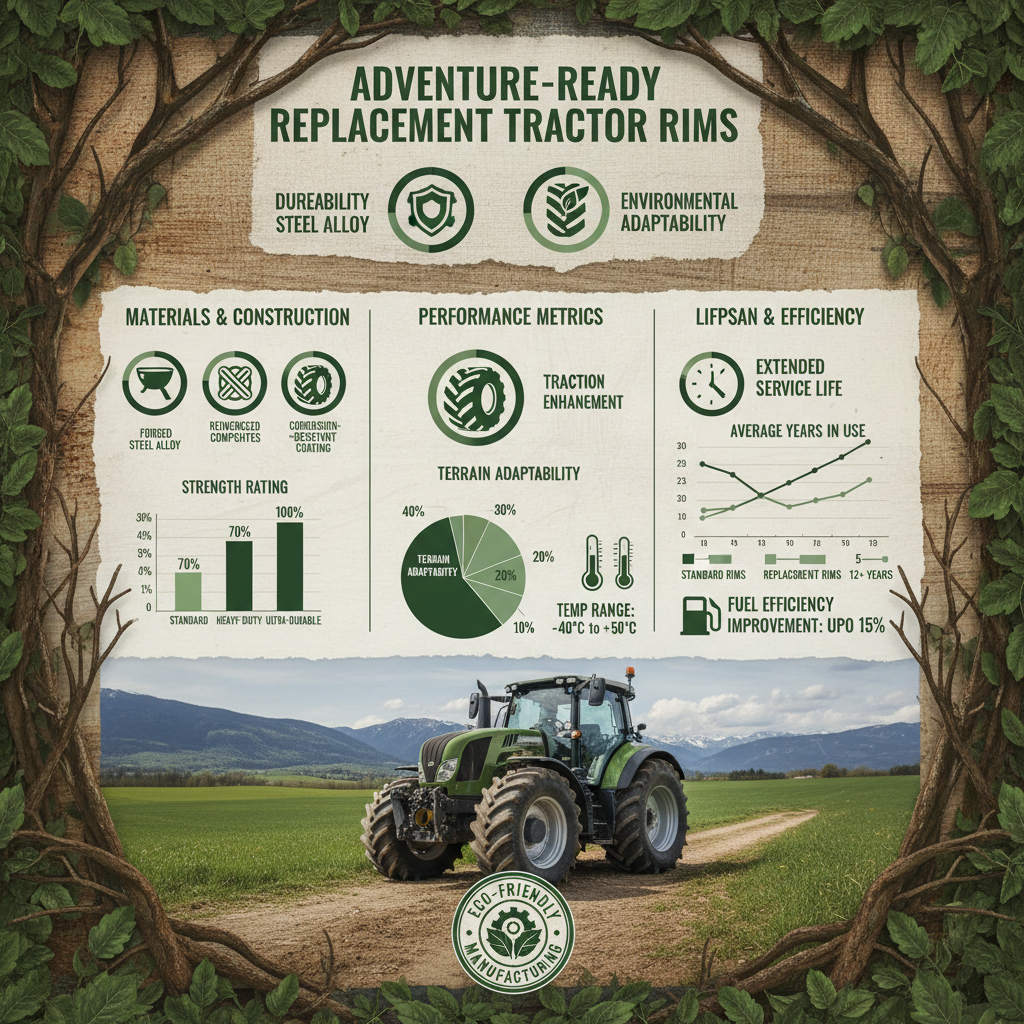
The material used in a tractor rim significantly impacts its strength, durability, and cost. Steel rims are the most common due to their robustness and affordability. However, cast iron rims offer superior impact resistance but are heavier. More recently, aluminum alloy rims have gained popularity for their lightweight nature, contributing to fuel efficiency and improved maneuverability, but they generally come at a higher price point. Selecting the right material depends on the typical operating conditions and the overall budget. For demanding applications, steel or cast iron are preferred, while aluminum alloys are a good option for lighter workloads and fuel conservation.
Material Comparison:
• Steel: Durable, Affordable, Heavy
• Cast Iron: Excellent Impact Resistance, Very Heavy
• Aluminum Alloy: Lightweight, Fuel Efficient, Higher Cost
Choosing the Right Replacement Tractor Rims: A Detailed Comparison
Selecting replacement tractor rims involves careful consideration of various factors, including tire size, rim type, material, and load capacity. It's crucial to match the new rims to the existing tire specifications to ensure proper fit and performance. Using rims that are not compatible can lead to tire failure and potentially dangerous situations. Changshu OKJ offers a wide range of rims designed to meet diverse tractor requirements, guaranteeing quality and compatibility. We provide detailed specifications and expert advice to help you make the right choice for your machinery.
Why Choose Changshu OKJ for Your Replacement Needs?
At Changshu OKJ, we specialize in providing high-quality replacement tractor rims for a wide range of tractor models. We offer competitive pricing, exceptional customer service, and a commitment to delivering products that meet stringent quality standards. Our extensive inventory ensures quick delivery, minimizing downtime for your operations. We are dedicated to providing our customers with the best possible solutions for their agricultural machinery needs. We understand the importance of reliable rims for maximizing tractor performance and safety.
Ensuring Proper Rim Installation and Maintenance
Proper installation and regular maintenance are essential for extending the life of your replacement tractor rims. Always follow the manufacturer's instructions for installation, ensuring the correct torque is applied to all fasteners. Regularly inspect the rims for signs of damage, such as cracks, dents, or corrosion. Maintain proper tire pressure to prevent excessive stress on the rims. Avoid overloading your tractor, as this can lead to rim failure. Following these simple maintenance practices will contribute to the longevity and safety of your agricultural equipment.
Conclusion: Invest in Quality Tractor Rims
Choosing the right replacement tractor rims is a critical investment for maintaining the performance and safety of your agricultural machinery. By considering the rim type, material, and load capacity, and by selecting a reliable supplier like Changshu OKJ, you can ensure you get durable and compatible rims that will stand up to the rigors of farm work. Don't compromise on quality – choose Changshu OKJ.
Frequently Asked Questions (FAQs)
How do I determine the correct rim size for my tractor?
Determining the correct rim size requires understanding your tire specifications. The rim diameter must match the tire bead diameter. You can find this information on the tire sidewall. Additionally, the rim width should be compatible with the tire width. Refer to your tractor’s manual or consult with a tire and rim specialist to ensure accurate sizing. Incorrect sizing can lead to tire dismounting or instability. Changshu OKJ can assist with finding the correct rims based on your tractor model and tire specifications.
What is the recommended tire pressure for my tractor rims?
Recommended tire pressure varies depending on the tire size, tractor model, and application. Consult your tractor’s manual or the tire manufacturer’s specifications for the correct pressure. Using the correct pressure ensures optimal performance, tire life, and safety. Underinflation can lead to overheating and tire failure, while overinflation can reduce traction and ride comfort. Regularly check your tire pressure with a reliable gauge.
Can I mix different types of rims on my tractor?
It's generally not recommended to mix different types of rims on the same axle. Using rims with different offsets or diameters can affect handling and stability, potentially leading to dangerous situations. Always use matching rims on each axle to ensure consistent performance and safety. If you are unsure, consult with a qualified mechanic or tire specialist.
What should I look for when inspecting my tractor rims for damage?
When inspecting your tractor rims, look for cracks, dents, bends, or signs of corrosion. Also, check the lug nuts for tightness and ensure they are not stripped or damaged. Inspect the valve stem for leaks or cracks. Any visible damage should be addressed immediately, and the rim should be replaced if necessary. Regular inspections can help prevent tire failures and ensure safe operation.
Post time: Apr . 04, 2026 02:45