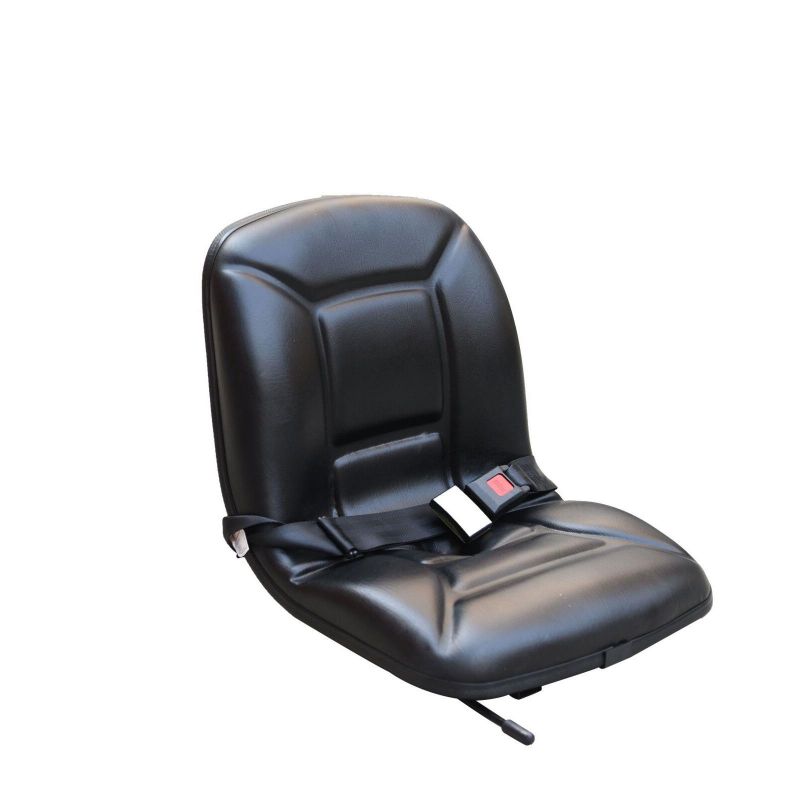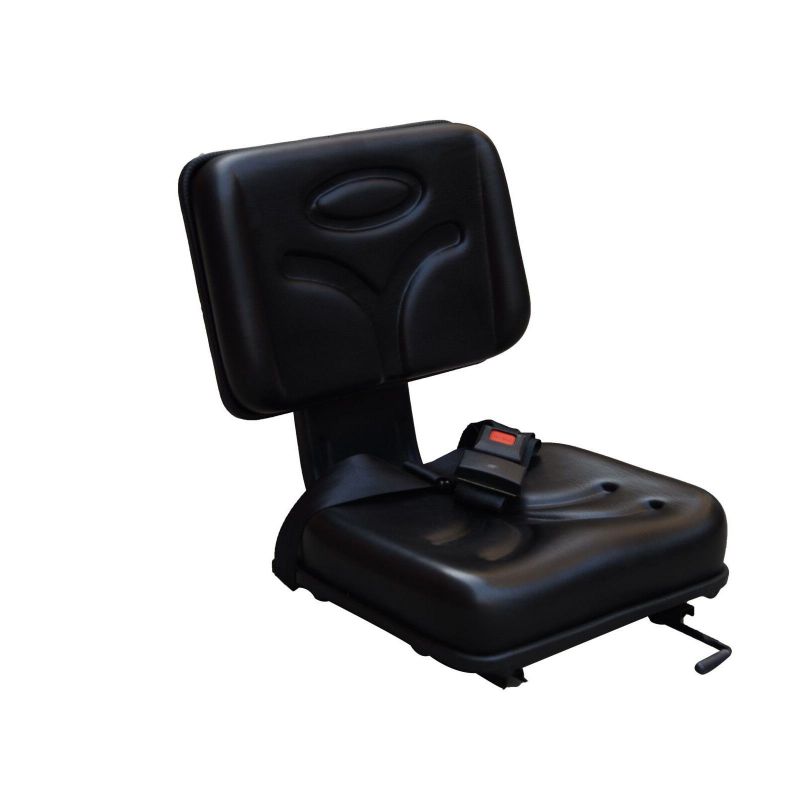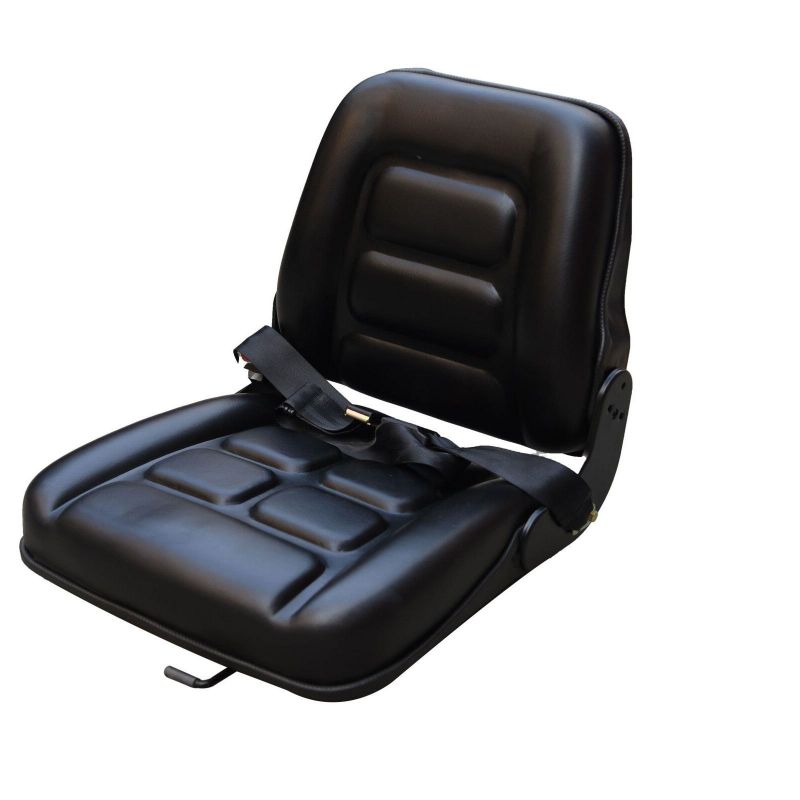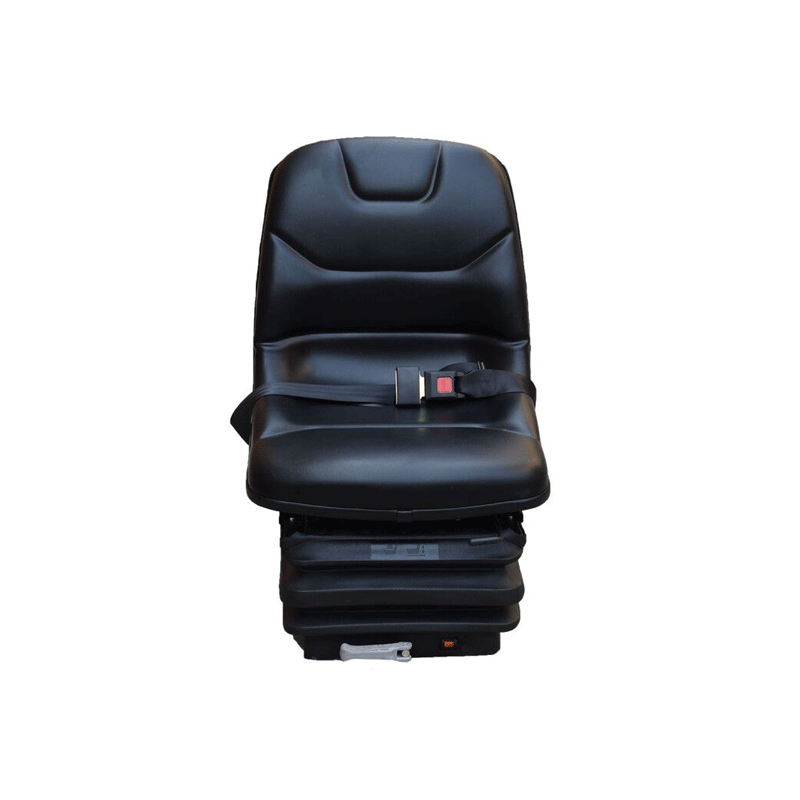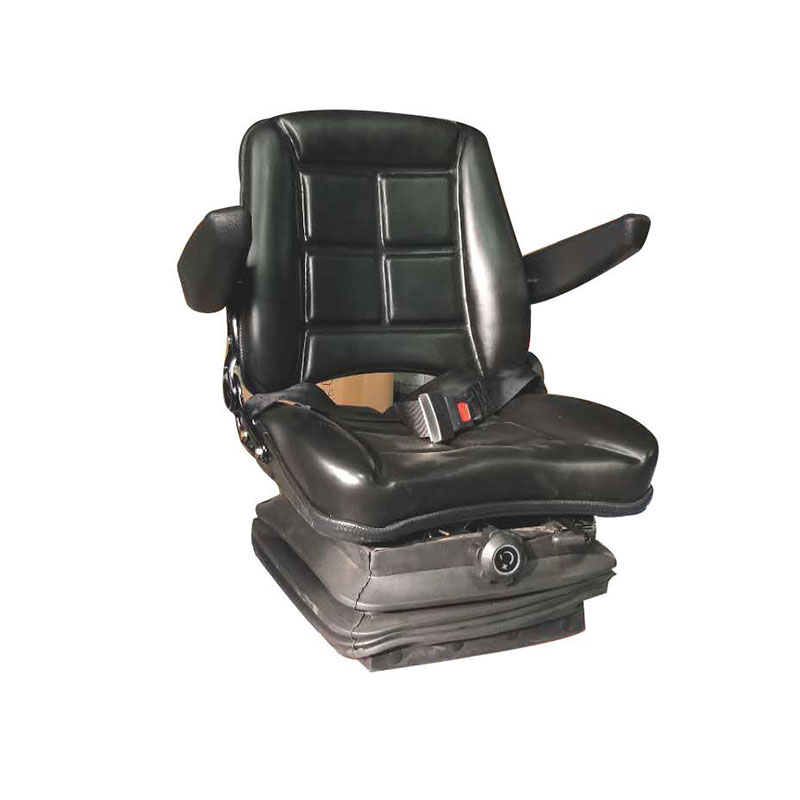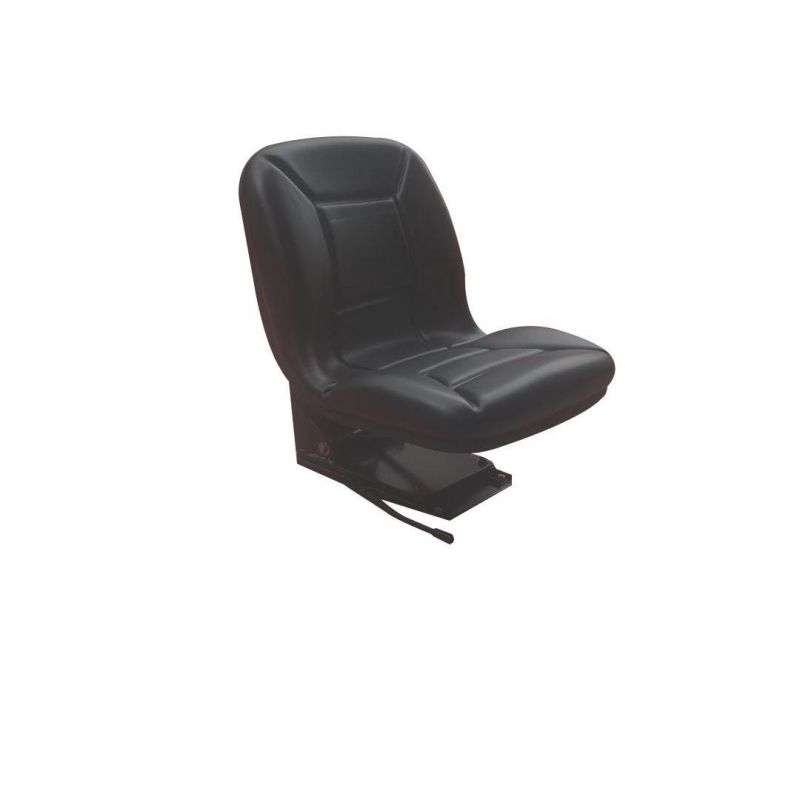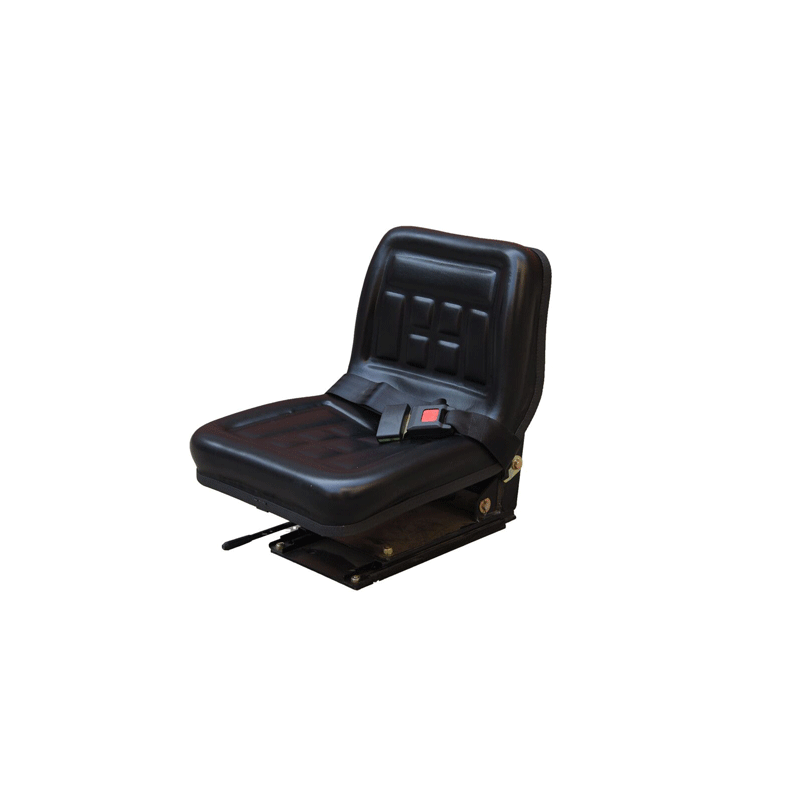

Rotating Tractor Seat: Comfort Meets Practicality in the Field
Having spent well over a decade in the industrial equipment world, I've come to appreciate how small design tweaks can profoundly impact daily work. One such unsung hero? The rotating tractor seat. It's odd how something as seemingly simple as a seat that swivels can change the game for operators who spend hours piloting heavy machinery.
In real terms, a rotating tractor seat isn't just about comfort—though that’s a huge part of it—it’s about ergonomic efficiency. When you’re steering enormous equipment and constantly transitioning between controls, being able to pivot effortlessly reduces strain on your neck, back, and shoulders. After all, the last thing you want is to finish a 10-hour shift feeling stiff as a board.
From my experience, many engineers were initially skeptical about these seats, especially when early models felt a bit clunky or cheap. But modern rotating tractor seats have come a long way, incorporating heavy-duty materials like reinforced steel frames paired with breathable, shock-absorbing foam cushions. It’s like comparing chalk and cheese.
| Specification | Detail |
|---|---|
| Rotation Angle | 360° continuous swivel |
| Frame Material | Powder-coated steel for corrosion resistance |
| Cushioning | High-density foam with weatherproof vinyl cover |
| Adjustability | Height and tilt adjustable; slide rails included |
| Weight Capacity | Up to 150 kg (330 lbs) |
One thing that’s struck me is how vendors differentiate their seats. Here’s a quick comparison of three well-known manufacturers to give you a clearer picture:
| Feature | Changshu OKJ | Competitor A | Competitor B |
|---|---|---|---|
| Rotation Angle | 360° continuous | 270° max swivel | 360° but with locking stops |
| Material Quality | Powder-coated steel | Stainless steel | Standard steel with paint finish |
| Cushion Type | High-density foam | Gel-infused foam | Regular foam |
| Customization Options | Multiple sizes, colors, and mounting types | Limited customization | Standard only |
| Price Range | $$ | $$$ | $ |
A little anecdote: I remember a farmer in the Midwest telling me after upgrading to a rotating tractor seat, his back pain “almost vanished overnight.” While that might be a slight exaggeration, it underscores how even incremental comfort improvements ripple through productivity and job satisfaction.
In terms of materials, the need for durability can’t be overstated. These seats are exposed to dirt, moisture, and sometimes rough treatment — so a weather-resistant vinyl and a powder-coated frame aren’t just nice-to-haves, they’re essentials. Also, the suspension system is equally important. I’ve tested seats from various suppliers, and the ones that absorb vibration well make an oddly big difference once you’re out in rough terrain.
Customization has also become a hot topic. Whether it’s adjusting the height, adding armrests, or changing the covering fabric to suit climate, these options cater to a wider range of operator builds and preferences. I find it refreshing that some manufacturers — notably Changshu OKJ — embrace flexibility instead of shoehorning customers into one standard model.
All in all, while a rotating tractor seat might sound like a small piece of the puzzle, it’s quite the workhorse when you consider its role in operator health and efficiency. Oddly enough, it’s one of those upgrades that slowly but surely become indispensable once you’ve had a taste.
So if you’re wondering about investing in one for your fleet, it’s definitely worth a close look — both for long-term comfort and smarter workflow.
Final takeaway: Your operator’s well-being often starts with the right seat — quite literally.
- Operator comfort and productivity, Industrial Ergonomics Journal, 2021
- Materials and corrosion resistance in agricultural equipment, Agritech Review, 2022
- Seat suspension impacts on operator health, Safety in Farming Quarterly, 2020
Post time: Dec . 03, 2025 16:08