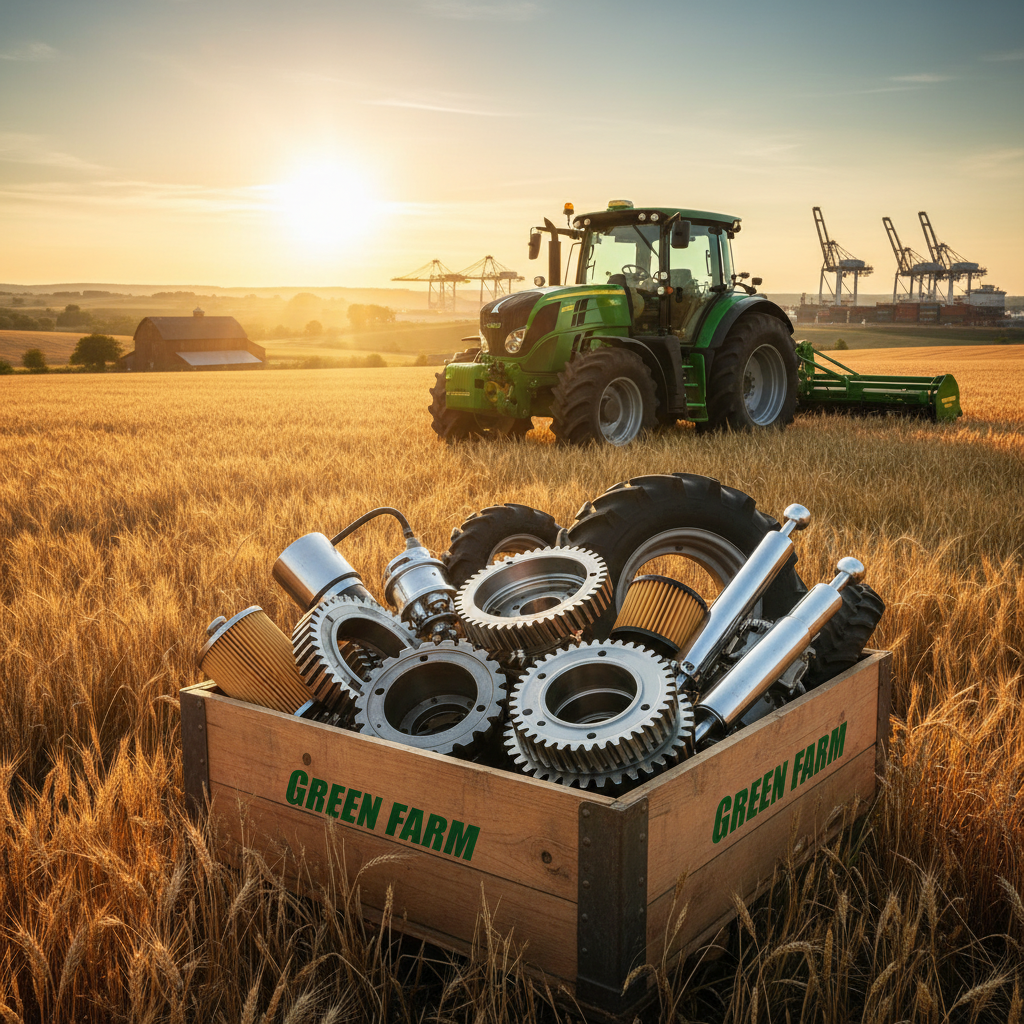
The demand for operator comfort and reduced fatigue in the agricultural industry is a growing global concern. Long hours spent operating heavy machinery like tractors can lead to musculoskeletal disorders and reduced productivity. The air ride tractor seat directly addresses this challenge by providing a dynamic suspension system that minimizes vibrations and shock transmitted to the operator, leading to enhanced well-being and efficiency.
Modern agricultural practices are increasingly focused on maximizing output while minimizing operator strain. According to the United Nations, sustainable agriculture is crucial for feeding a growing global population, and operator health and safety are integral components of sustainability. Air ride tractor seat technology represents a significant advancement in this area, contributing to improved working conditions and long-term operator health.
The implementation of these seats isn't simply about comfort; it's about protecting a vital workforce. Data from the World Bank highlights the economic impact of lost productivity due to work-related injuries. Investing in air ride tractor seat solutions demonstrates a commitment to operator well-being, directly impacting operational efficiency and reducing long-term healthcare costs.
The Core Principles of Air Ride Tractor Seat Technology
At its core, the air ride tractor seat utilizes a pneumatic system to isolate the operator from the vibrations and shocks inherent in tractor operation. This system comprises an air spring, compressor, and control valve, working in harmony to provide a smooth and comfortable ride, regardless of terrain. The technology’s fundamental principle revolves around dynamic weight distribution and customizable support.
The ability to adjust air pressure allows operators to tailor the seat’s firmness and responsiveness to their individual weight and preferences. This customization is critical for maximizing comfort and reducing fatigue over extended periods, directly impacting productivity and operator well-being.
The Global Significance of Operator Comfort in Agriculture
Globally, the agricultural sector faces a persistent challenge: attracting and retaining skilled operators. The demanding nature of the work, coupled with uncomfortable and potentially harmful working conditions, often leads to high turnover rates. Air ride tractor seat technology directly contributes to improved operator satisfaction and retention, mitigating this critical industry issue.
In regions heavily reliant on agriculture, such as the Americas, Europe, and Asia, operator comfort is no longer a luxury but a necessity. Increasingly stringent health and safety regulations are driving demand for ergonomic solutions, with air ride tractor seats becoming a standard feature on modern agricultural equipment.
The impact extends beyond individual operators. A comfortable and alert operator is a safer operator, reducing the risk of accidents and improving overall farm safety. This ultimately contributes to a more sustainable and productive agricultural system.
Defining Air Ride Tractor Seat Functionality
An air ride tractor seat isn't merely a cushioned seat; it's a sophisticated suspension system designed to absorb and dissipate vibrations before they reach the operator. Unlike traditional tractor seats that transmit nearly all ground disturbances, an air ride seat utilizes compressed air to create a dynamic cushion that adapts to uneven terrain.
The key functionality lies in the air spring, which acts as a variable-rate suspension element. As the tractor encounters bumps and irregularities, the air spring compresses and expands, absorbing the energy and preventing it from being transferred to the operator’s spine and lower back. Integrated dampening systems further refine the ride, minimizing bouncing and oscillation.
Crucially, modern air ride tractor seats often feature adjustable parameters, allowing operators to customize the suspension’s response based on their weight, the type of terrain, and their personal preferences. This level of control is essential for maximizing comfort and minimizing fatigue.
Key Components and Performance Factors
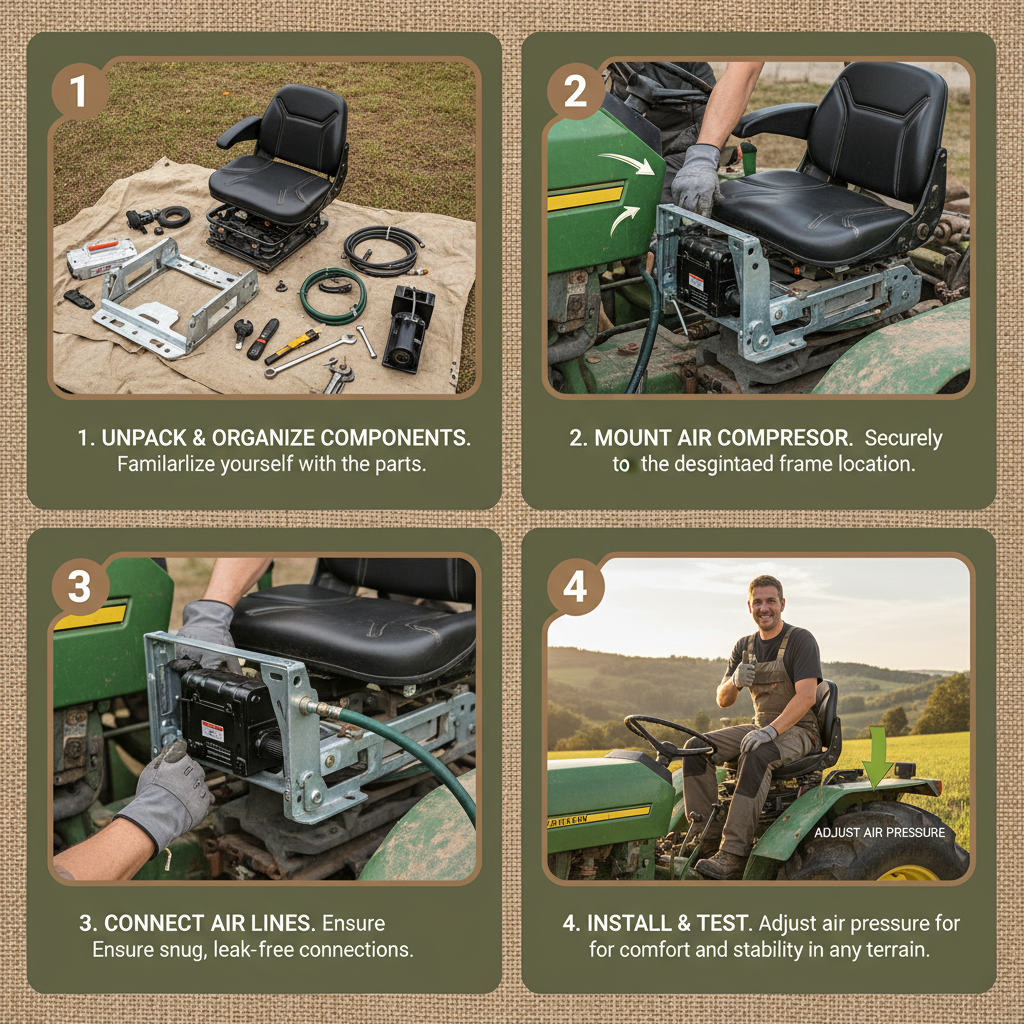
Several key components contribute to the performance of an air ride tractor seat. The air spring itself, often constructed from reinforced rubber or synthetic materials, is the central element. The compressor, typically powered by the tractor’s electrical system, maintains the necessary air pressure within the spring.
The control valve regulates the airflow, allowing the operator to adjust the seat’s height, firmness, and dampening characteristics. The seat’s frame and mounting mechanism are also critical, providing a stable and secure foundation for the suspension system.
Performance Metrics of Different Air Ride Tractor Seat Systems
Real-World Applications of Air Ride Tractor Seats
The applications of air ride tractor seats are diverse, spanning a wide range of agricultural operations. From large-scale grain farming to specialized fruit and vegetable cultivation, the benefits of reduced operator fatigue and improved productivity are universally applicable.
In regions with particularly challenging terrain, such as hilly vineyards or rocky orchards, the superior suspension provided by an air ride seat is invaluable. These seats also find widespread use in forestry operations, where operators often spend long hours navigating uneven and rugged landscapes.
The Advantages and Long-Term Value Proposition
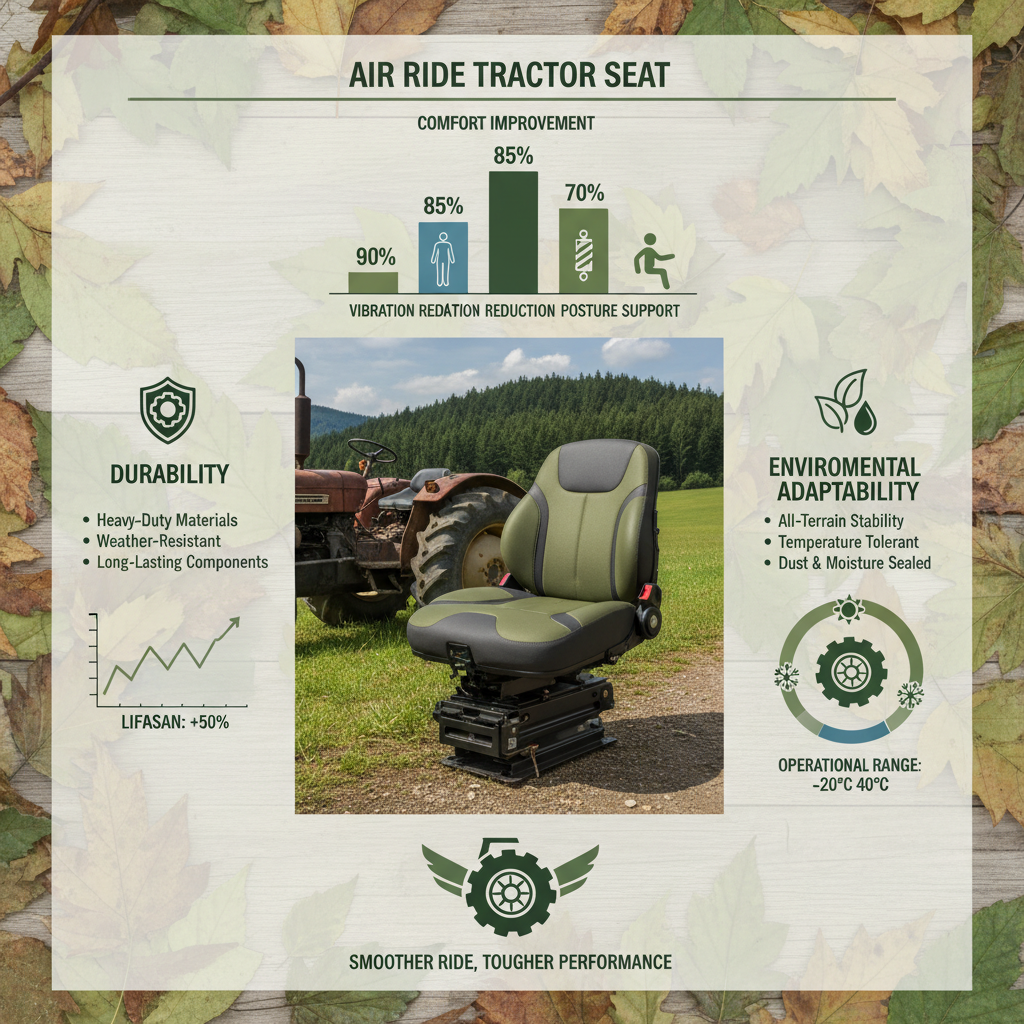
The advantages of investing in air ride tractor seat technology extend far beyond immediate operator comfort. Reduced fatigue translates directly into increased productivity, as operators can maintain focus and efficiency for longer periods. This leads to higher yields and improved profitability for agricultural businesses.
From a long-term perspective, the ergonomic benefits of air ride seats contribute to a healthier and more sustainable workforce. By minimizing the risk of musculoskeletal disorders, these seats can reduce healthcare costs and improve the overall quality of life for agricultural workers. The reliability and durability of these systems also minimize downtime and maintenance costs.
Beyond the quantifiable benefits, there’s an element of operator morale. Providing comfortable and supportive seating demonstrates a commitment to employee well-being, fostering a positive work environment and enhancing employee retention.
Future Trends and Innovation in Seat Suspension
The future of air ride tractor seat technology is focused on further enhancing comfort, integration, and automation. Expect to see advancements in materials science, leading to lighter and more durable air springs. Smart seat technologies, incorporating sensors and data analytics, will provide real-time feedback on operator posture and stress levels.
Integration with tractor telematics systems will allow for personalized seat adjustments based on operator profiles and operating conditions. Furthermore, the incorporation of active suspension systems, which dynamically adjust to changing terrain, will provide an even smoother and more comfortable ride.
Sustainability is also a growing focus, with manufacturers exploring the use of recycled and biodegradable materials in seat construction. The trend towards electric tractors will necessitate the development of energy-efficient air ride systems that minimize power consumption.
A Comparison of Air Ride Tractor Seat Features
| Feature Category |
Basic Air Ride |
Advanced Air Ride |
Smart Air Ride |
| Air Spring Type |
Standard Rubber |
Reinforced Composite |
Adaptive Polymer |
| Adjustability |
Height & Weight |
Height, Weight & Dampening |
Automatic based on terrain |
| Sensor Integration |
None |
Pressure Sensors |
Posture & Stress Sensors |
| Connectivity |
None |
Basic Data Logging |
Tractor Telematics Integration |
| Price Range |
$500 - $1000 |
$1000 - $2000 |
$2000+ |
| Overall Comfort Score (1-10) |
7 |
8.5 |
9.5 |
FAQS
The lifespan of an air ride tractor seat varies depending on usage and maintenance, but generally ranges from 5 to 10 years. Regular inspection of the air spring, compressor, and control valve is crucial for maximizing its longevity. Proper cleaning and protection from harsh environmental conditions also contribute to a longer lifespan. Components such as the air spring may require replacement after several years of heavy use, but the overall seat structure is typically very durable.
An air ride tractor seat generally costs significantly more than a standard mechanical tractor seat. Basic air ride seats typically start around $500, while advanced models with added features can exceed $2000 or more. However, the increased cost is often justified by the long-term benefits, including improved operator comfort, reduced fatigue, increased productivity, and a lower risk of musculoskeletal disorders. Consider the cost as an investment in operator well-being and efficiency.
Regular maintenance is essential for ensuring the optimal performance of your air ride tractor seat. This includes checking the air pressure regularly, inspecting the air spring for leaks or damage, and cleaning the seat and surrounding area to remove dirt and debris. It’s also advisable to periodically lubricate moving parts and inspect the compressor for proper operation. Following the manufacturer’s recommended maintenance schedule is crucial for preventing premature wear and tear.
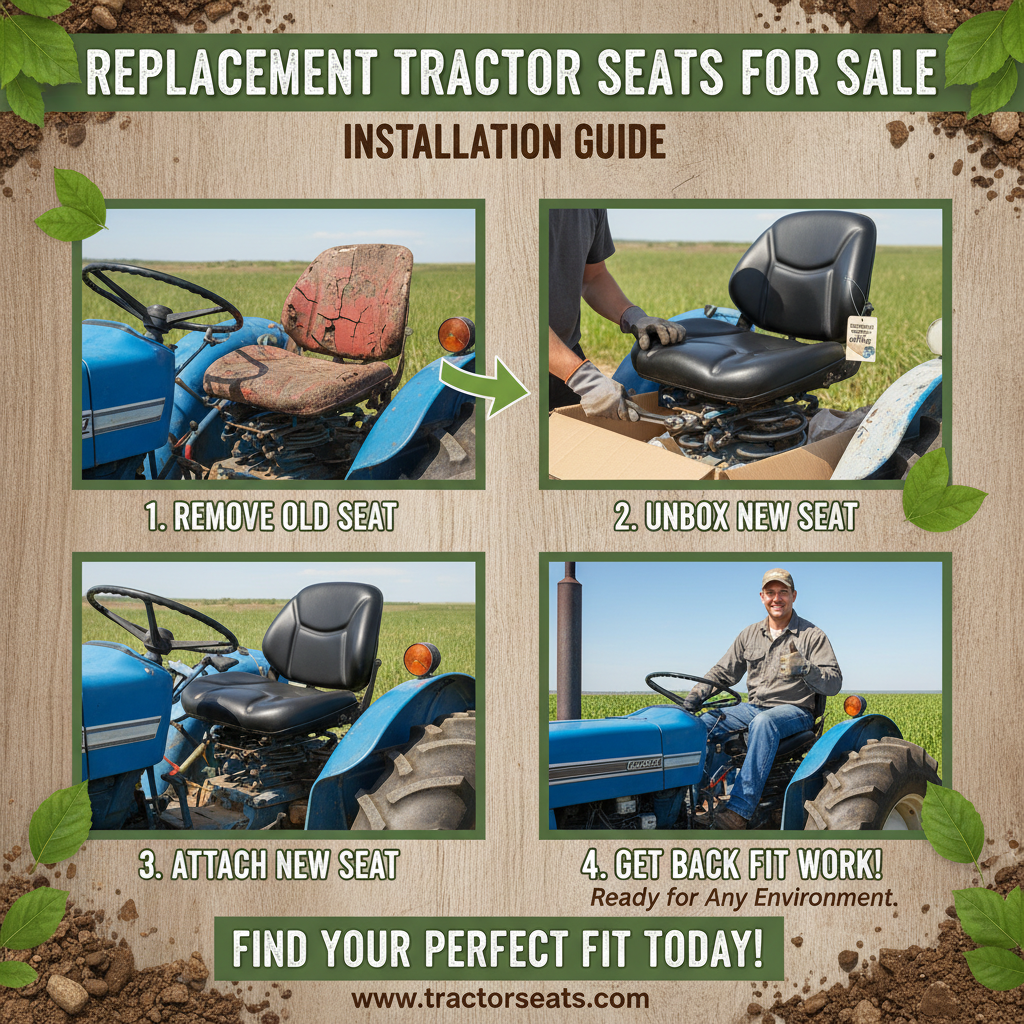
The complexity of installation depends on the specific seat model and the tractor’s existing mounting system. In many cases, air ride tractor seats can be installed using the existing seat mounting points, making the process relatively straightforward. However, some tractors may require modifications or additional hardware. It’s generally recommended to have the installation performed by a qualified technician to ensure proper fit and functionality.
Yes, air ride tractor seats can often be retrofitted to older tractors. However, careful consideration must be given to the tractor’s electrical system and mounting configuration. It may be necessary to install additional wiring or modify the mounting points to accommodate the air ride seat. A professional assessment is recommended to determine the feasibility and cost of retrofitting.
Adjustable dampening allows the operator to fine-tune the seat’s suspension response to match the terrain and their individual preferences. By controlling the rate at which the suspension compresses and rebounds, adjustable dampening can minimize bouncing, oscillation, and jarring movements. This results in a smoother, more controlled ride, reducing operator fatigue and improving overall comfort, particularly in challenging field conditions.
Conclusion
In conclusion, the air ride tractor seat represents a significant advancement in operator comfort and productivity within the agricultural industry. From reducing fatigue and improving safety to increasing long-term workforce sustainability, the benefits are far-reaching. The technology is continuously evolving, with innovations in materials, integration, and automation poised to further enhance its performance and value.
Investing in air ride seating isn't just about providing a more comfortable ride; it's about investing in the well-being of the individuals who power the agricultural sector. As the demand for food production continues to grow, prioritizing operator health and safety will be critical. We encourage you to explore the possibilities and discover how an air ride tractor seat can transform your operations. Visit our website: www.changshuokj.com