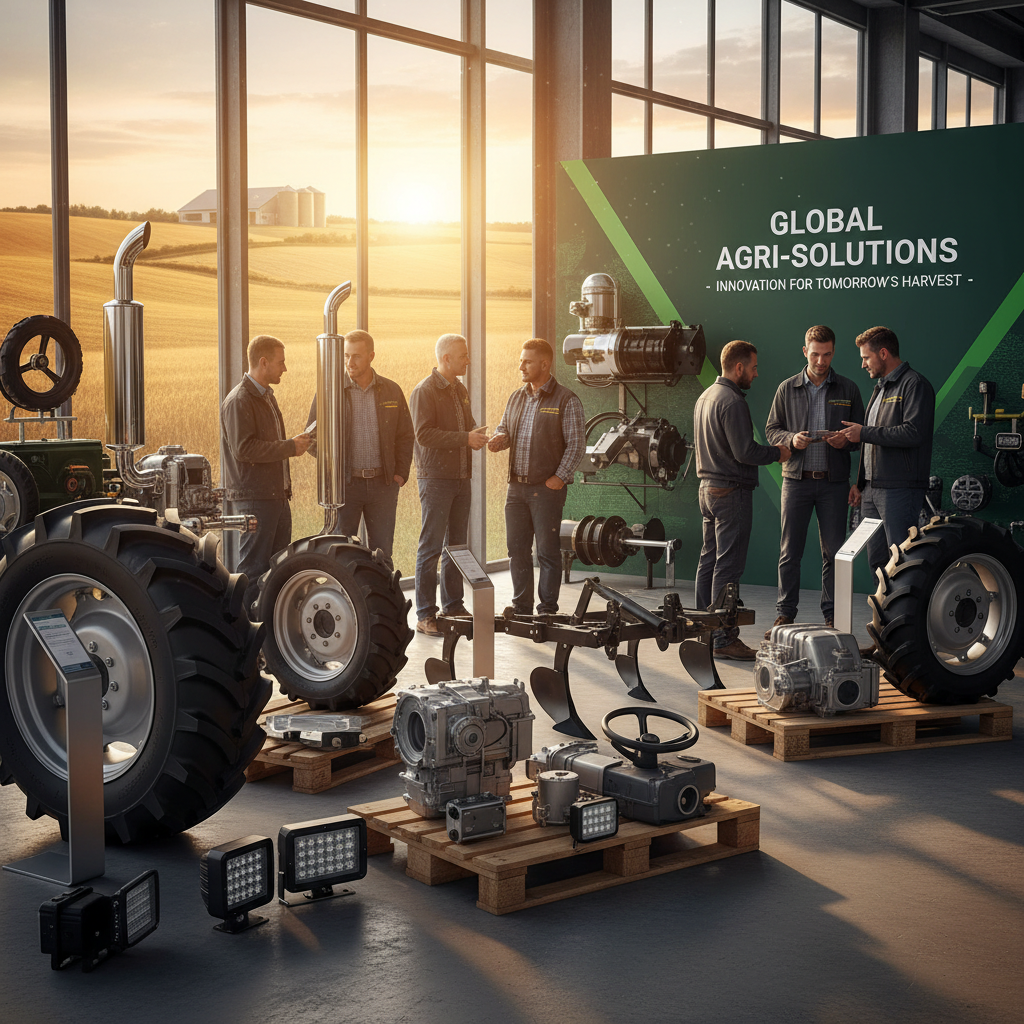
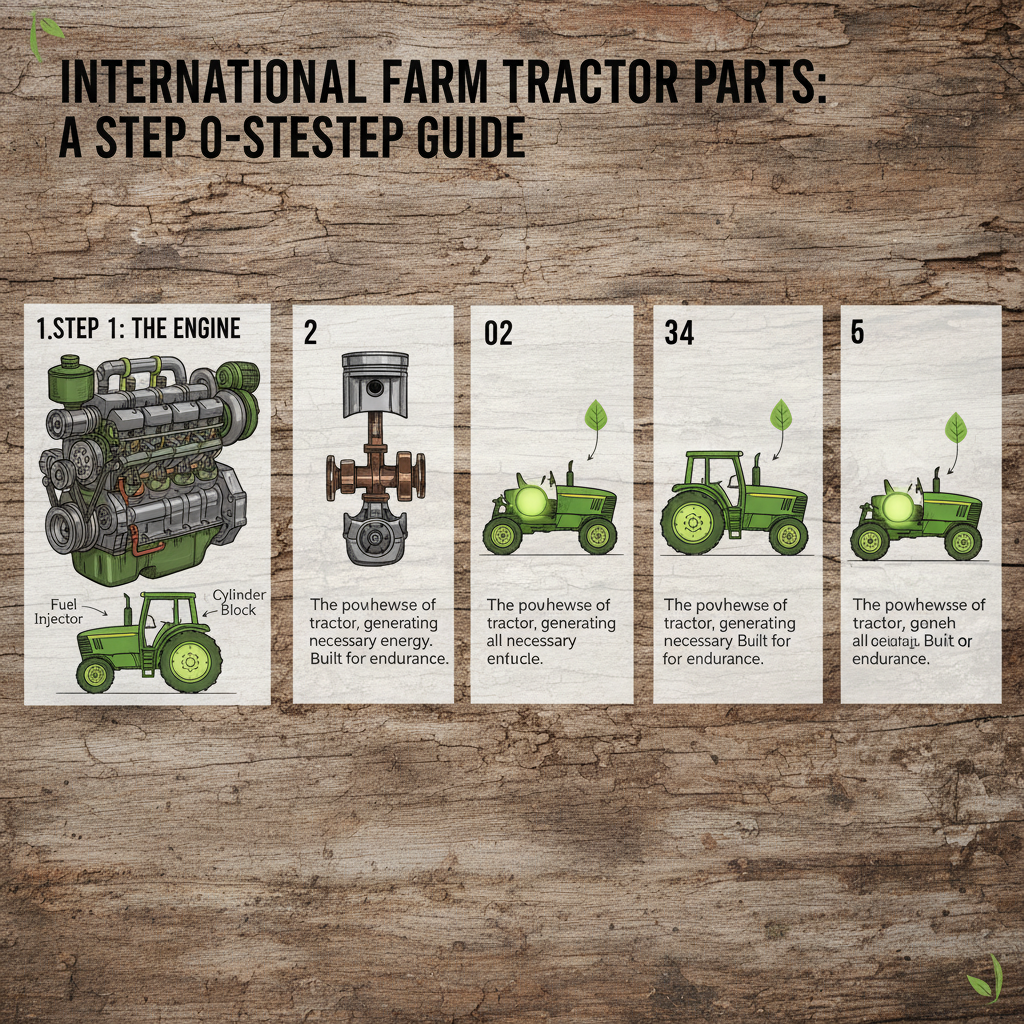
Tractor parts and accessories are fundamental to the operation and longevity of agricultural machinery, impacting food production, land management, and overall economic stability globally. From the smallest bolt to the most complex engine component, these parts ensure tractors function efficiently, minimizing downtime and maximizing yield. The global demand for these components is directly tied to agricultural output, which continues to grow as the world population increases. Understanding the intricacies of tractor parts and accessories is crucial for farmers, technicians, and manufacturers alike, leading to optimized performance and reduced operational costs.
The significance of reliable tractor parts and accessories extends beyond mere functionality. In developing nations, access to quality components can dramatically improve agricultural practices, boosting local economies and food security. Conversely, the use of substandard or counterfeit parts can lead to frequent breakdowns, lost harvests, and increased financial strain on farmers. This creates a critical need for robust supply chains, quality control measures, and accessible repair services. A well-maintained tractor, equipped with genuine tractor parts and accessories, represents a significant investment in a farmer’s livelihood.
Modern agricultural practices are increasingly reliant on sophisticated technology integrated into tractor systems. This includes precision farming equipment, advanced hydraulics, and computerized engine controls. Therefore, the demand for specialized tractor parts and accessories is escalating, requiring manufacturers to innovate continuously and provide comprehensive support services. Recognizing the importance of this sector is vital for ensuring sustainable agricultural development worldwide.
The Importance of Tractor Parts and Accessories
The availability and quality of tractor parts and accessories are directly linked to agricultural productivity and sustainability. A malfunctioning tractor can halt operations during critical periods like planting and harvesting, resulting in significant financial losses for farmers. Investing in durable and reliable components minimizes downtime and ensures the consistent performance needed to meet growing global food demands.
Furthermore, the use of genuine tractor parts and accessories often leads to improved fuel efficiency, reduced emissions, and extended machinery lifespan, contributing to both economic and environmental benefits. Regular maintenance, utilizing appropriate parts, is therefore a cornerstone of responsible farming practices.
Defining Tractor Parts and Accessories
Tractor parts encompass the essential components that make up the tractor’s core functionality, including the engine, transmission, hydraulics, and steering system. These are typically manufactured to precise specifications by the original equipment manufacturer (OEM) or licensed suppliers. Without these integral parts, a tractor simply cannot operate.
Tractor accessories, on the other hand, are add-on items designed to enhance or expand the tractor's capabilities. This includes implements like plows, cultivators, and mowers, as well as comfort and convenience items such as cabs, lights, and sound systems. Accessories allow farmers to tailor their tractors to specific tasks and optimize their efficiency.
The interconnectedness of these parts and accessories is paramount. The proper functioning of each component relies on compatibility and quality, highlighting the importance of sourcing from reputable suppliers. Modern agriculture relies on this integration, enhancing both productivity and safety in the field.
Key Factors Influencing Tractor Part Quality
Several key factors determine the quality and performance of tractor parts. Durability is paramount, as agricultural environments are inherently harsh, exposing components to extreme temperatures, moisture, and heavy loads. Materials used in manufacturing play a crucial role, with hardened steel, cast iron, and specialized polymers often employed to withstand these conditions.
Precision in manufacturing is equally important. Tractor parts must adhere to strict tolerances to ensure proper fit and function, minimizing wear and tear and maximizing efficiency. Advanced machining techniques and rigorous quality control measures are essential for achieving this level of precision. The availability of genuine tractor parts and accessories provides assurance of these standards.
Furthermore, the design and engineering of tractor parts contribute significantly to their overall performance. Optimized designs can improve fuel efficiency, reduce stress on other components, and extend the lifespan of the entire system. Ongoing research and development are crucial for incorporating these advancements into new parts and accessories.
Global Applications and Usage Scenarios
Tractor parts and accessories are utilized globally across a diverse range of agricultural settings. In large-scale commercial farms in North America and Europe, precision farming equipment and advanced implements are commonplace, requiring specialized parts and accessories to optimize yield and efficiency.
In developing countries, simpler, more robust tractor parts are often prioritized to ensure affordability and ease of maintenance. Smallholder farmers rely on these components to cultivate essential crops, contributing to local food security. In post-disaster relief operations, tractors equipped with appropriate attachments are invaluable for clearing debris and restoring agricultural land.
Even in remote industrial zones, tractors serve purposes beyond agriculture, utilizing specific accessories for tasks like landscaping, construction, and material handling. The versatility of tractors and the availability of suitable parts and accessories make them indispensable assets in various sectors worldwide.
Comparative Performance of Tractor Parts Suppliers
Advantages and Long-Term Value Proposition
Investing in high-quality tractor parts and accessories provides tangible advantages, including reduced downtime, improved fuel efficiency, and extended machinery lifespan. These benefits translate directly into increased profitability for farmers and lower operating costs for agricultural businesses.
Beyond the financial gains, choosing reliable parts contributes to a more sustainable agricultural model. Durable components reduce the need for frequent replacements, minimizing waste and environmental impact. This aligns with growing consumer demand for environmentally responsible farming practices.
Future Trends in Tractor Parts and Accessories
The future of tractor parts and accessories is being shaped by several key trends, including the integration of advanced sensors and data analytics. These technologies enable predictive maintenance, allowing farmers to identify potential issues before they lead to breakdowns, maximizing uptime and minimizing repair costs.
Another significant trend is the development of more sustainable materials and manufacturing processes. Biodegradable polymers and recycled metals are increasingly being used in tractor part production, reducing environmental impact and promoting a circular economy.
Furthermore, the rise of automation and precision farming is driving demand for specialized parts and accessories that enable autonomous tractor operation and targeted application of inputs, optimizing resource utilization and improving crop yields.
Challenges and Solutions in the Supply Chain
A major challenge in the tractor parts and accessories supply chain is the prevalence of counterfeit products. These substandard parts can compromise tractor performance, safety, and longevity, leading to significant financial losses for farmers. Ensuring product authenticity through robust traceability systems and collaboration with reputable suppliers is crucial.
Another challenge is the increasing complexity of modern tractor systems, requiring specialized knowledge and training for technicians. Investing in training programs and providing access to comprehensive technical documentation can help address this skills gap. Maintaining an accessible inventory of tractor parts and accessories is also critical.
Finally, disruptions in global supply chains can lead to delays in parts delivery, impacting farmers during critical periods. Diversifying sourcing options and building strategic partnerships with multiple suppliers can mitigate these risks and ensure a reliable supply of essential components.
Summary of Key Supply Chain Challenges and Solutions
| Challenge |
Impact on Farmers |
Potential Solution |
Implementation Cost (1-10) |
| Counterfeit Parts |
Reduced Tractor Performance, Safety Risks |
Enhanced Traceability, Supplier Verification |
7 |
| Technician Skill Gap |
Improper Repairs, Increased Downtime |
Comprehensive Training Programs |
6 |
| Supply Chain Disruptions |
Delays in Parts Delivery, Lost Harvests |
Diversified Sourcing, Strategic Partnerships |
8 |
| Inventory Management |
Parts Shortages, Increased Lead Times |
Advanced Forecasting, Optimized Stock Levels |
5 |
| Quality Control Issues |
Premature Part Failure, Recurring Problems |
Rigorous Testing, Supplier Audits |
7 |
| Rising Material Costs |
Increased Part Prices, Reduced Profit Margins |
Value Engineering, Alternative Materials |
4 |
FAQS
Several indicators suggest a tractor part requires replacement. These include unusual noises during operation, decreased performance or efficiency, visible cracks or damage, fluid leaks, and warning lights on the dashboard. Regularly inspecting components and addressing issues promptly can prevent more extensive and costly repairs. Ignoring these signs can lead to further damage and potential downtime during critical farming operations, emphasizing the need for proactive maintenance and timely replacement of failing tractor parts.
Routine maintenance frequency depends on tractor usage and operating conditions. However, a general guideline includes checking engine oil and coolant levels monthly, inspecting filters every 100-200 hours of operation, lubricating grease points regularly, and performing a complete inspection and service annually or every 500 hours. Refer to your tractor's operator manual for specific maintenance recommendations. Consistent routine maintenance utilizing appropriate tractor parts and accessories is vital for extending the lifespan of your machinery.
OEM (Original Equipment Manufacturer) parts are produced by the tractor manufacturer or their authorized suppliers, ensuring exact compatibility and quality. Aftermarket parts are manufactured by independent companies and may offer lower prices, but their quality and fit can vary. While aftermarket parts can be a viable option, OEM parts generally provide superior reliability and performance. When choosing parts, consider the critical nature of the component and the potential impact of failure on your operation.
Purchasing from authorized dealers is the most reliable way to ensure you’re receiving genuine tractor parts. Look for official branding and packaging, and verify the supplier’s credentials. Avoid purchasing from unverified online sources or marketplaces offering suspiciously low prices. A reputable dealer will also offer warranties and support, providing peace of mind and protecting your investment.
A tractor parts catalog provides a comprehensive listing of all the components for your specific tractor model, including part numbers, diagrams, and detailed descriptions. This simplifies the process of identifying the correct parts for your repairs, reducing the risk of ordering incorrect items. Online catalogs are readily accessible and often feature advanced search functionalities, saving you time and effort.
Proper storage is crucial for maintaining the integrity of tractor parts. Store parts in a clean, dry, and well-ventilated area, away from direct sunlight and extreme temperatures. Protect parts from moisture, dust, and corrosion by using sealed containers or protective coverings. Keep parts organized and labeled for easy identification. Following these storage guidelines will extend the lifespan of your parts and ensure they are ready when needed.
Conclusion
In conclusion, the availability of reliable and high-quality tractor parts and accessories is paramount to the efficiency, sustainability, and overall success of modern agriculture. From ensuring optimal performance and minimizing downtime to promoting environmental responsibility and supporting economic growth, these components play a critical role in feeding a growing global population. Investing in genuine parts, prioritizing preventative maintenance, and adapting to emerging technologies are essential for maximizing the long-term value of agricultural machinery.
Looking ahead, continued innovation in materials, manufacturing processes, and supply chain management will be crucial for addressing the evolving needs of the agricultural sector. Embracing data-driven maintenance strategies, exploring sustainable sourcing options, and fostering collaboration between manufacturers, suppliers, and farmers will pave the way for a more resilient and productive agricultural future. Visit our website at www.changshuokj.com to explore our comprehensive range of tractor parts and accessories and discover how we can support your agricultural endeavors.