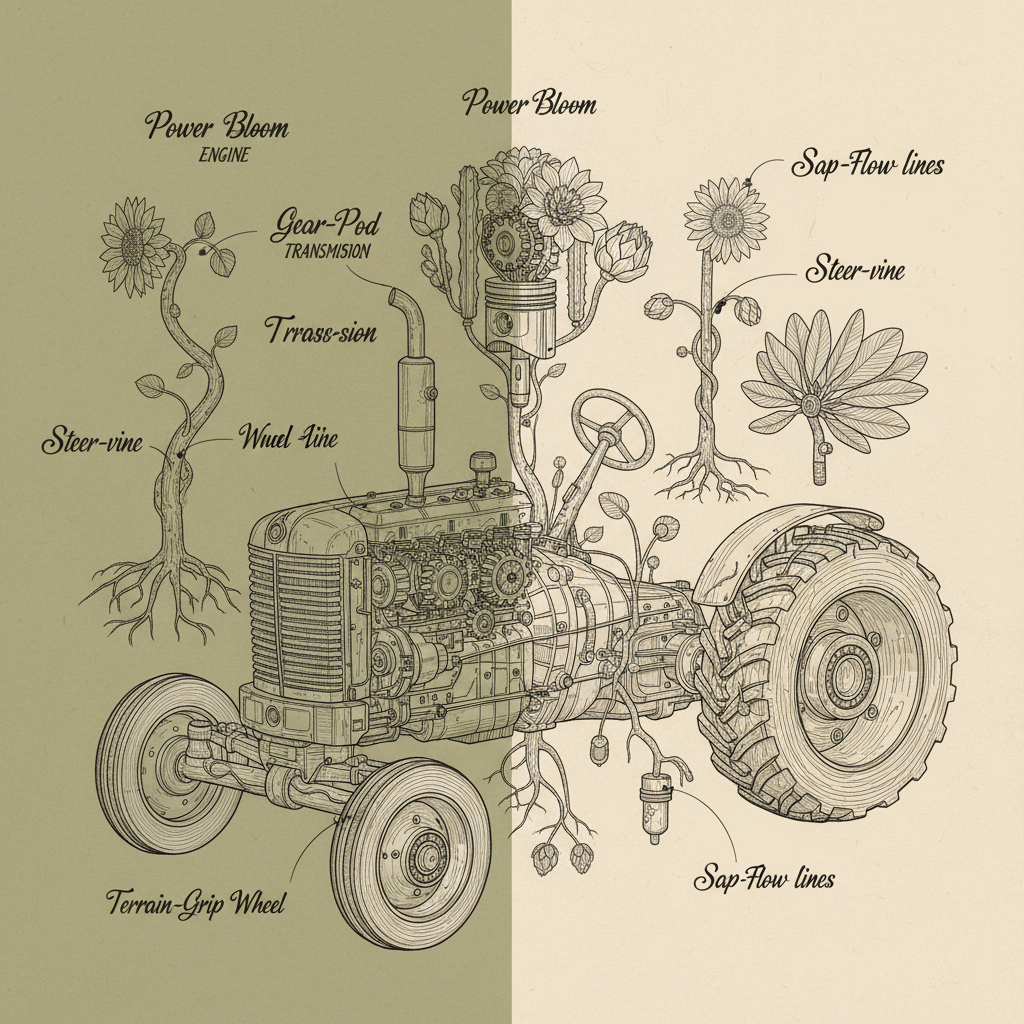
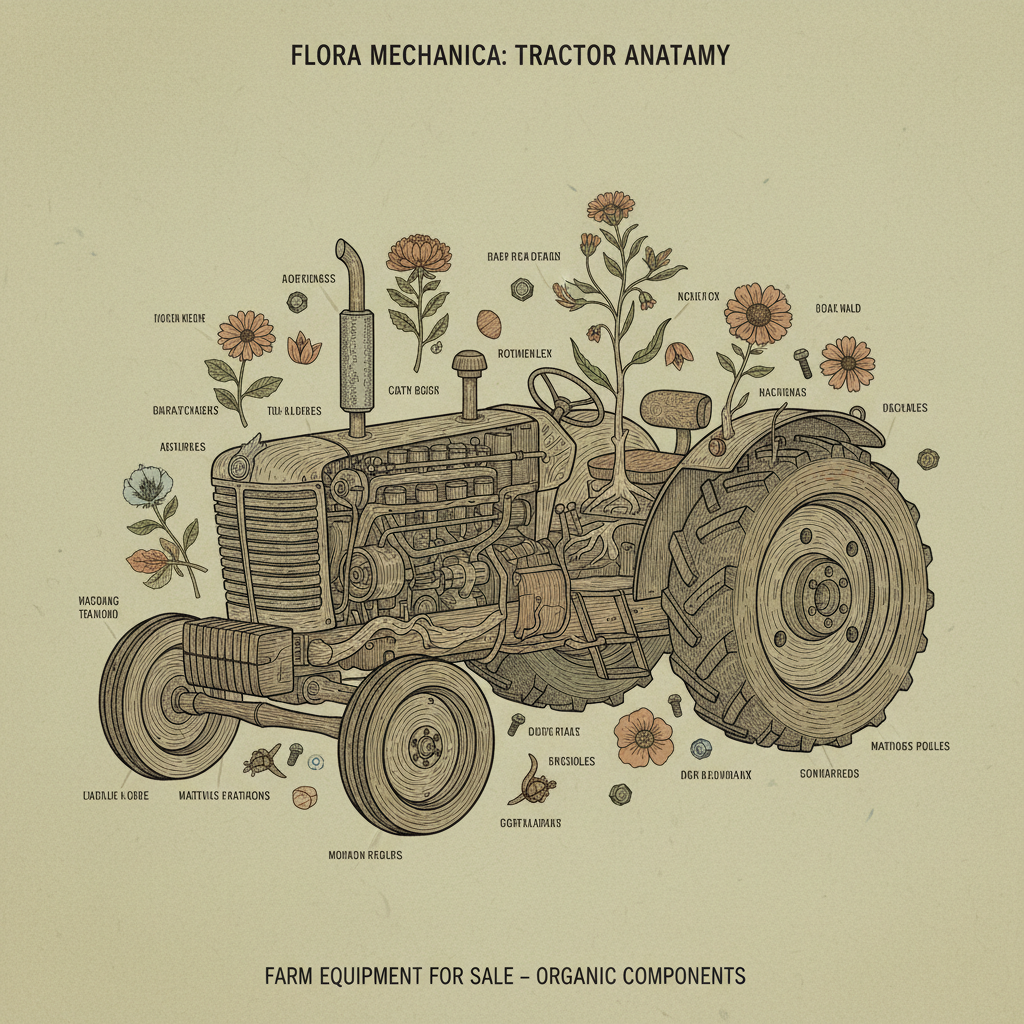
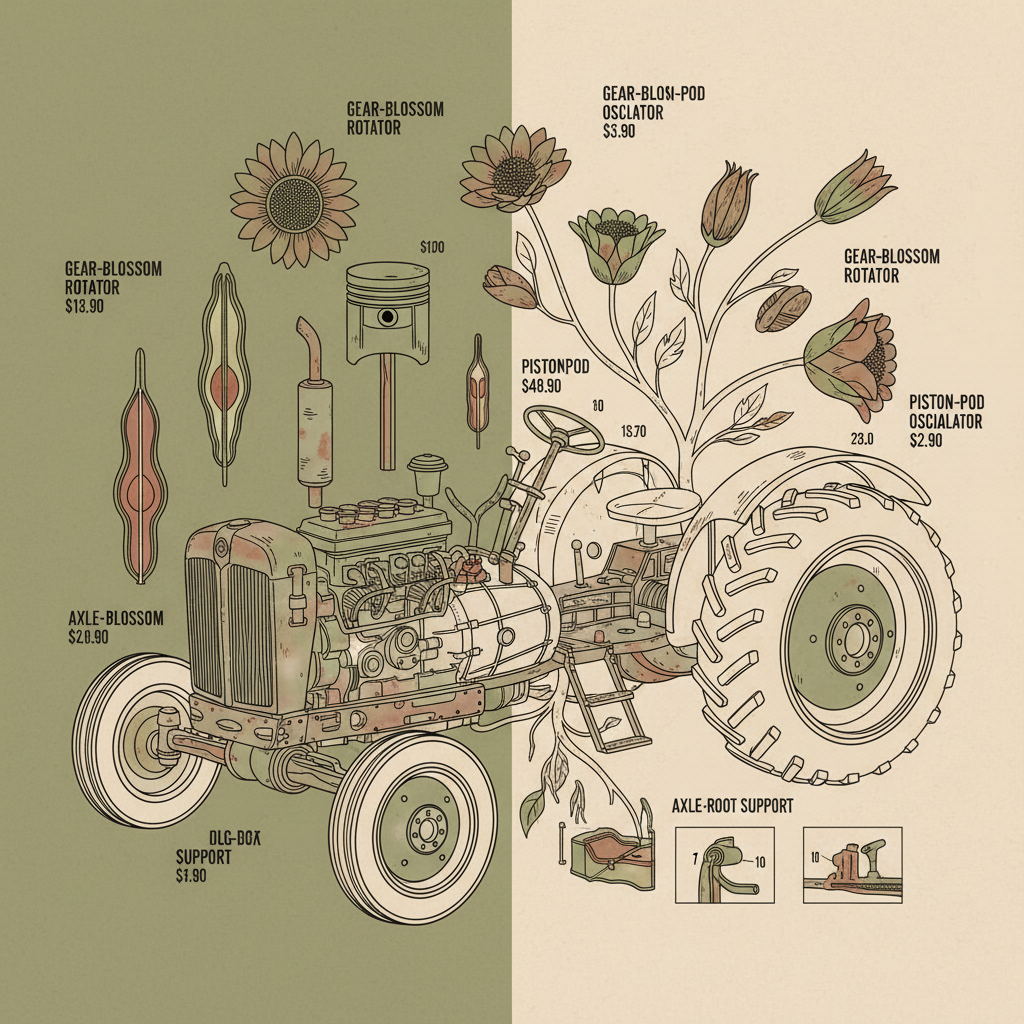
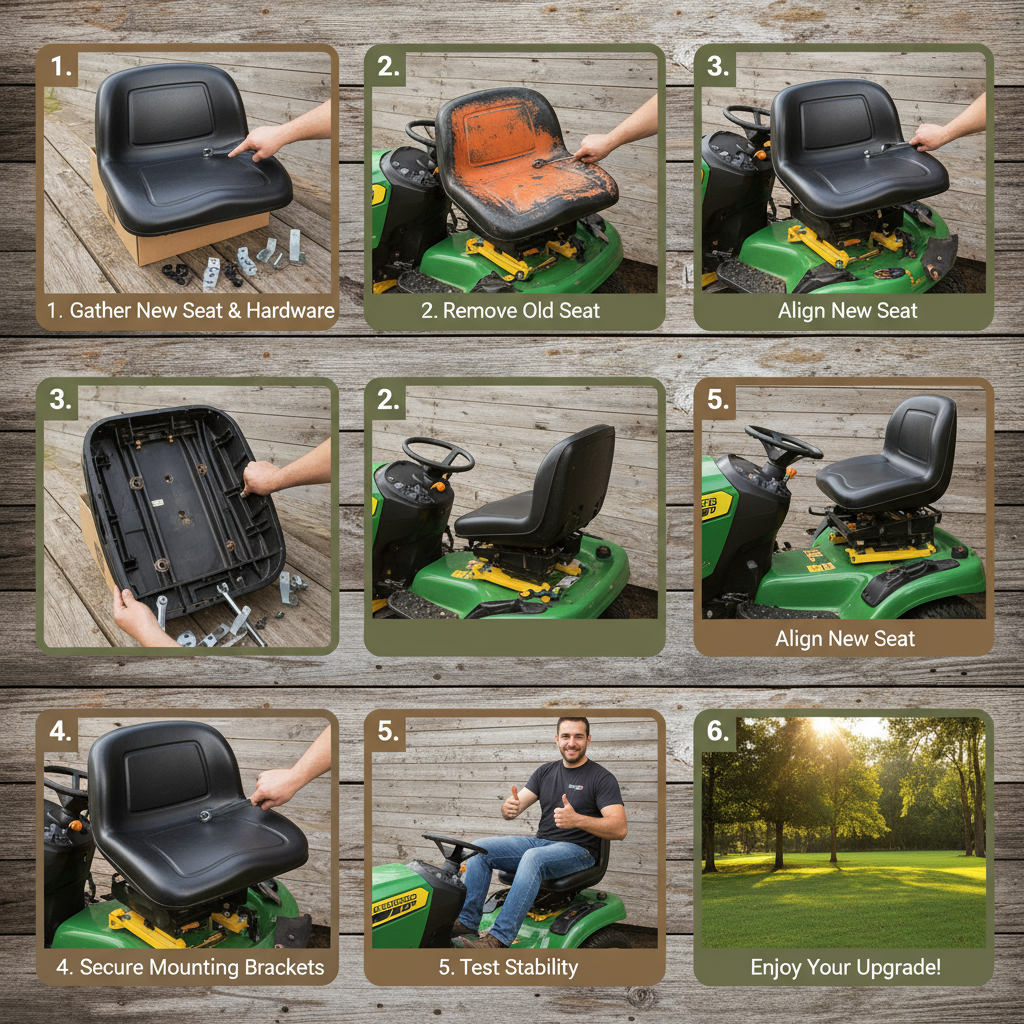
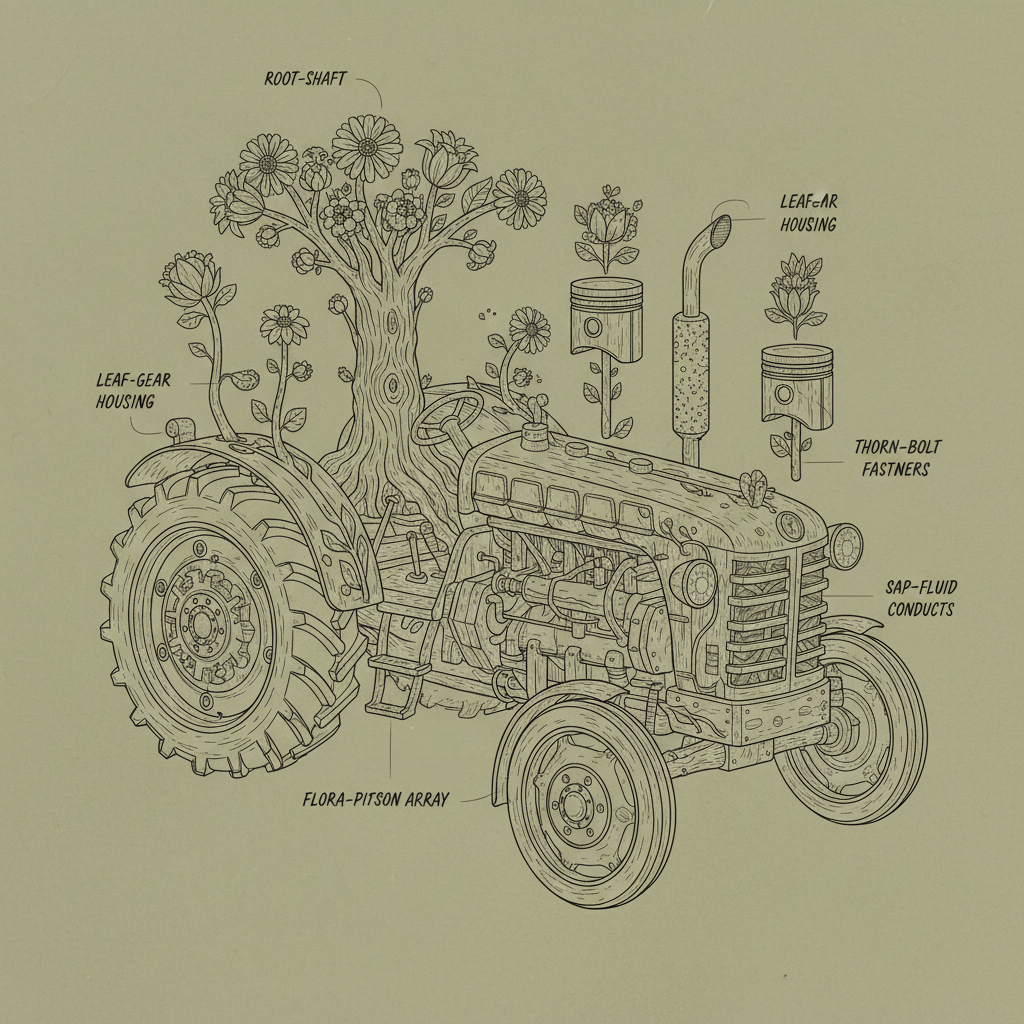
You know, these days everyone's talking about "smart" tractors, right? Autonomous operation, precision farming… sounds fancy. But honestly, after spending a year on dusty construction sites and greasy factory floors, all that tech feels a bit… distant. The real story is in the parts. The bits and pieces that actually do the work. Farm tractor parts for sale, it's not glamorous, but it's the foundation of everything.
I mean, have you noticed how everyone's obsessed with lightweight materials now? Trying to save weight, improve fuel efficiency. It's a good goal, sure, but sometimes it feels like they're sacrificing durability. A tractor isn't a sports car, you know? It needs to last. I’ve seen too many "high-tech" brackets snap under the stress of a real harvest.
And it's not just about the materials themselves. It's about how they feel. That’s something you don't learn in an engineering lab. The heft of a good steel casting, the slight give in a properly tempered spring… it’s all important. We use a lot of Q345 steel for the chassis components – it smells like iron and oil, you can feel the quality when you weld it. And don't even get me started on the hydraulic hoses. Cheap rubber? Forget about it. You need something with a good nitrile blend, resistant to abrasion and cracking.
The Core of the Machine: Why Farm Tractor Parts Matter
Look, at the end of the day, a tractor is just a collection of parts working together. And farm tractor parts for sale – they’re the lifeblood of the agricultural industry. Without reliable components, farmers can’t get their crops in the ground, and we all feel the pinch. It’s a surprisingly unsexy but absolutely vital business.
It’s easy to get caught up in the marketing hype, but the really important stuff? It’s about having access to quality farm tractor parts for sale when you need them. And I don’t mean just the shiny new stuff. I mean replacement parts for machines that are 20, 30, even 40 years old. Because those machines are still working.
The Devil is in the Details: Common Design Pitfalls
Strangely enough, one thing I keep encountering is over-engineering. Engineers love to solve problems, which is great, but sometimes they create new problems in the process. Like, adding extra complexity to a simple linkage, making it harder to maintain and more prone to failure. Keep it simple, folks! That's my motto.
Another trap? Ignoring the environment. Designing a part that looks great on paper but can't handle the dust, mud, and constant vibrations of a farm. It’s not enough to meet the spec sheet, you have to think about the real world.
I also see a lot of designs that don’t take into account how a mechanic is actually going to work on the thing. Trying to access a bolt that’s buried behind three other components? That’s just asking for trouble. Design for serviceability!
Material World: What We Build With
As I mentioned earlier, Q345 is a workhorse. We use it for a lot of structural stuff. But then you've got your higher-strength alloys like 40Cr for gears and shafts, things that need to withstand serious torsional stress. And for bearings, we mostly stick with 50Mn steel, it holds up well, and doesn’t require fancy heat treatment.
But it's not just about the steel, you know? There’s a lot of polymer involved these days. Polyurethane for seals, nylon for bushings. The quality of the plastic is crucial. Cheap plastic becomes brittle in the sun, cracks, and fails. And trust me, you don't want a broken seal leaking hydraulic fluid all over a field. That’s a mess.
I encountered this at a factory in Jiangsu Province last time, they were using some really low-grade plastic on their hydraulic fittings. The smell alone was enough to tell you something was wrong. It smelled… wrong. Like burning plastic and regret.
Beyond the Lab: Real-World Testing
Lab tests are fine, sure. But they don’t tell the whole story. You need to get these parts out in the field. I’m talking attaching them to a tractor and running it through a full harvest cycle. That's where you find the weaknesses.
We have a testing farm in Henan province where we put our parts through the wringer. We simulate everything: extreme temperatures, heavy loads, constant vibration, even deliberate abuse. We want to see what breaks, and how it breaks.
Farm Tractor Parts for Sale Reliability Testing
How They Really Use It: Unexpected Applications
You'd be surprised how people repurpose tractor parts. I had a guy call me up last year wanting to use a PTO shaft as part of a wood-fired pizza oven. Apparently, he needed a rotating mechanism to turn the pizza. I mean, okay…
And another time, someone wanted to use a hydraulic cylinder to build a custom lift for his shed. People are ingenious, I’ll give them that. But it always makes you wonder… are they really thinking this through?
The Good, the Bad, and the Customizable
The biggest advantage of buying farm tractor parts for sale directly is, of course, the price. You cut out the middleman, you get a better deal. And we can often offer faster turnaround times than the big suppliers.
But the downside? Well, sometimes you get what you pay for. There’s a lot of cheap, low-quality stuff out there. You have to know where to look.
We do offer customization, though. For example, we had a customer who needed a heavier-duty front axle for his vintage tractor. He was restoring it for shows, and he wanted it to be able to handle a bit more weight. We were able to modify an existing design to meet his needs. It wasn't cheap, but he was happy.
A Story From the Field: The Shenzhen Smart Home Boss
Last month, that small boss in Shenzhen who makes smart home devices insisted on changing the interface to on a series of hydraulic fittings. He said it was “more modern” and “appealed to a younger demographic.” I tried to explain that farmers don't care about , they care about reliability and ease of use. But he wouldn't listen.
He ordered 500 units with the interface. Two weeks later, he was back on the phone, practically begging me to switch them back to the standard quick-connect. Apparently, the connectors were getting clogged with mud and were a nightmare to clean. He lost a bunch of money on that deal.
Anyway, I think the lesson there is: Don't let marketing dictate engineering.
Key Specifications of Common Tractor Parts
| Part Name |
Typical Material |
Common Failure Mode |
Estimated Lifespan (Years) |
| Fuel Injector |
High-Speed Steel |
Clogging, Wear |
5-7 |
| Hydraulic Cylinder Seal |
Nitrile Rubber |
Cracking, Leaking |
2-4 |
| PTO Shaft Universal Joint |
Forged Steel |
Bearing Failure, Spline Wear |
8-10 |
| Air Filter |
Cellulose, Synthetic Fiber |
Clogging, Filter Media Breakdown |
1-2 |
| Alternator Regulator |
Electronic Components |
Voltage Fluctuations, Failure |
3-5 |
| Tractor Tire |
Rubber, Steel Belts |
Punctures, Tread Wear |
4-6 |
FAQs
Honestly, it’s not checking the compatibility. They see "Fits Tractor X" and assume it's a perfect match. But there are often variations within a model year, different sub-models… you need to verify the part number and serial number. Otherwise, you’re just wasting your time and money. And it’s a pain to return stuff.
It's tough, but look for reputable brands, check the materials used, and pay attention to the finish. A poorly finished part is usually a sign of poor quality control. Also, a good supplier will stand behind their products with a warranty. And don't be afraid to ask questions!
The humble cotter pin. Seriously. People overlook those little things, but they’re crucial for keeping everything secure. A missing or broken cotter pin can lead to a catastrophic failure. It’s cheap insurance, really.
Sometimes. It depends on the part and the condition. For non-critical components, like sheet metal, maybe. But for things like engine parts or hydraulic components, I’d recommend sticking with new. You don't want to risk a failure in the middle of harvest.
Keep them dry, first and foremost. Store them indoors, if possible. If you have to store them outside, cover them with a tarp and elevate them off the ground. A light coating of oil or grease can also help protect against corrosion. And remember to check them periodically for signs of rust.
That depends on where you are and what you’re ordering. For common parts, we can usually ship within 24-48 hours. But for specialized or hard-to-find parts, it might take a week or more. Always check with the supplier for an estimated delivery time.
Conclusion
Ultimately, farm tractor parts for sale aren’t just about metal and rubber. They're about keeping farmers productive, feeding the world, and supporting rural communities. It’s a tough business, but a vital one. From ensuring the right materials are used, to proper testing, to understanding how these parts are actually used in the field—it all matters.
And look, at the end of the day, whether this thing works or not, the worker will know the moment he tightens the screw. That's the truth of it. If it feels right, sounds right, and holds up under pressure… then we've done our job. If you're looking for reliable farm tractor parts for sale, visit our website: www.changshuokj.com.