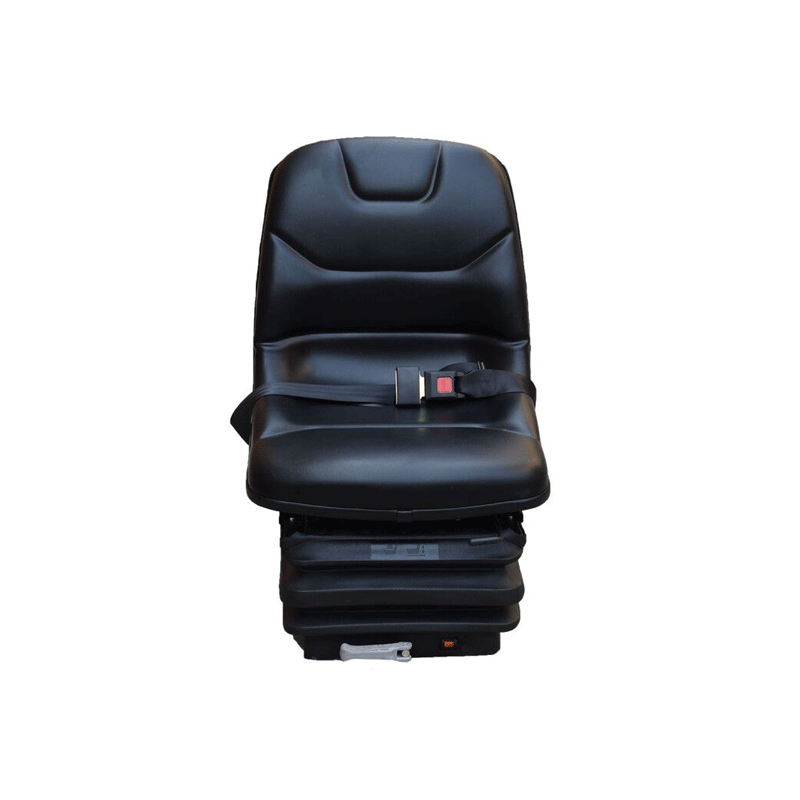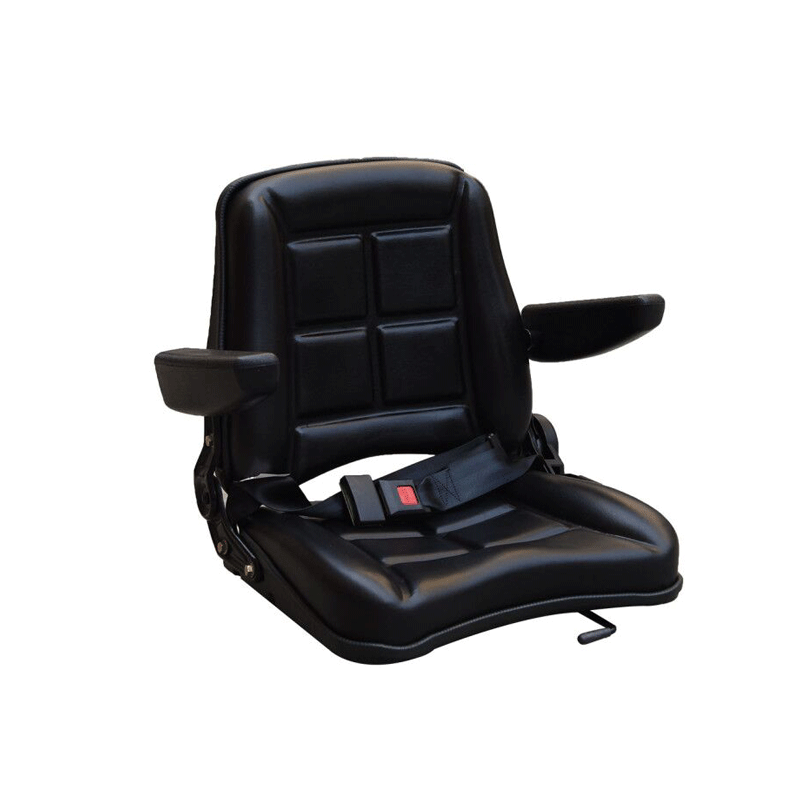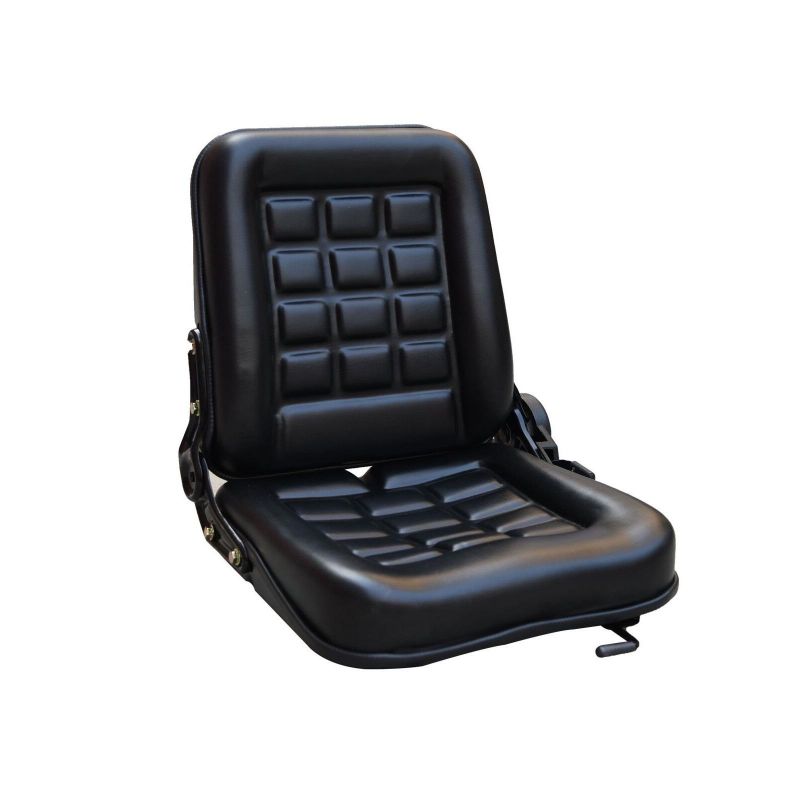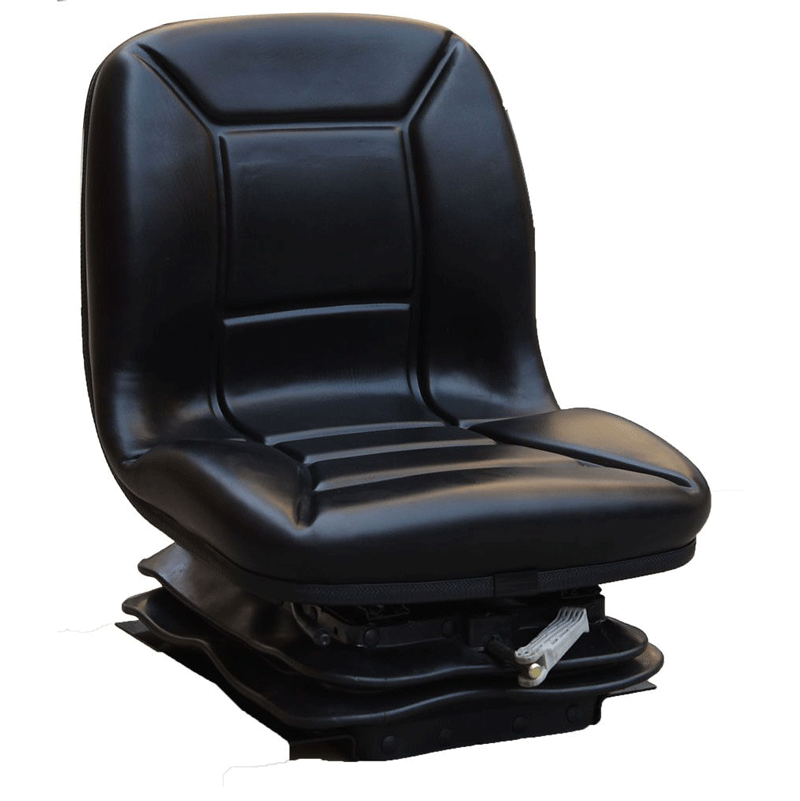

FD-808-3 Tractor Seat: field-tested comfort that doesn’t quit
If you spend dawn-till-dusk on a tractor, the difference between an average perch and a true seat solutions tractor seat isn’t subtle—it’s your back at harvest time. I’ve ridden on plenty, and the FD-808-3 from Yuhua District, Shijiazhuang, Hebei, China, caught my eye for one simple reason: it blends rugged steel, forgiving foam, and a sensible suspension into something that feels purpose-built for long, noisy, vibrating days.
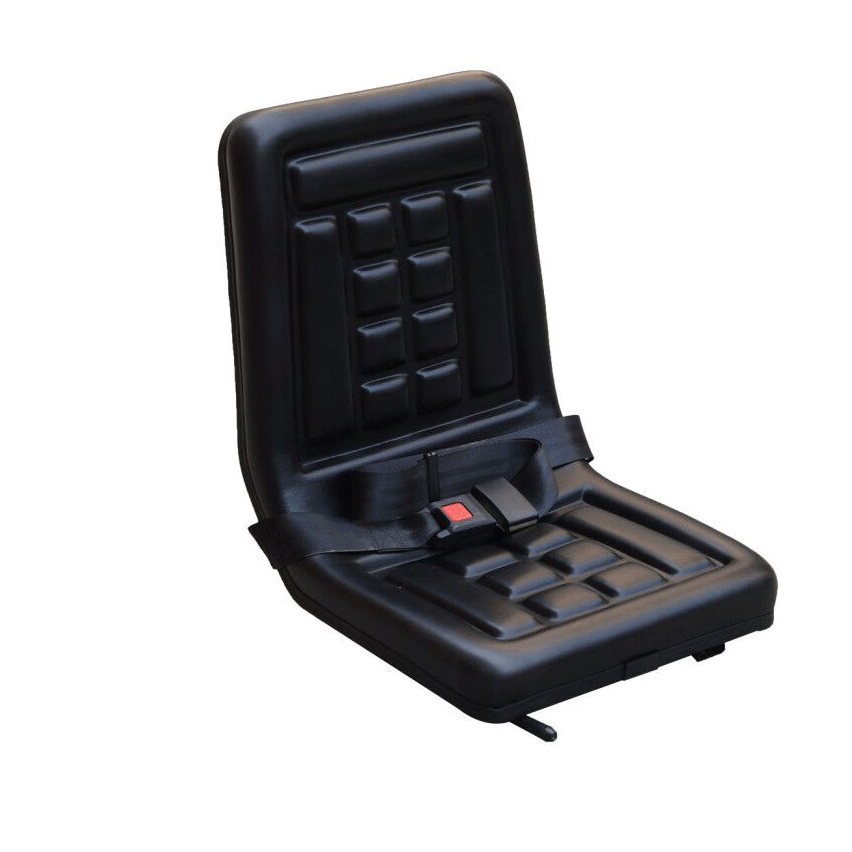
What’s changing in ag seating (and why it matters)
Farmers and fleet managers are asking for three things: lower vibration, easier adjustability, and durable covers that shrug off sun and mud. In fact, vibration exposure is now a headline topic, with standards like ISO 2631 shaping how seats are designed and tested. Add in sustainability (recyclable steel frames, longer service life) and modular rails that fit mixed-brand fleets, and you can see where the industry’s headed. The FD-808-3 tracks those trends without the “luxury price” tax—at least that’s the early read.
FD-808-3 technical snapshot
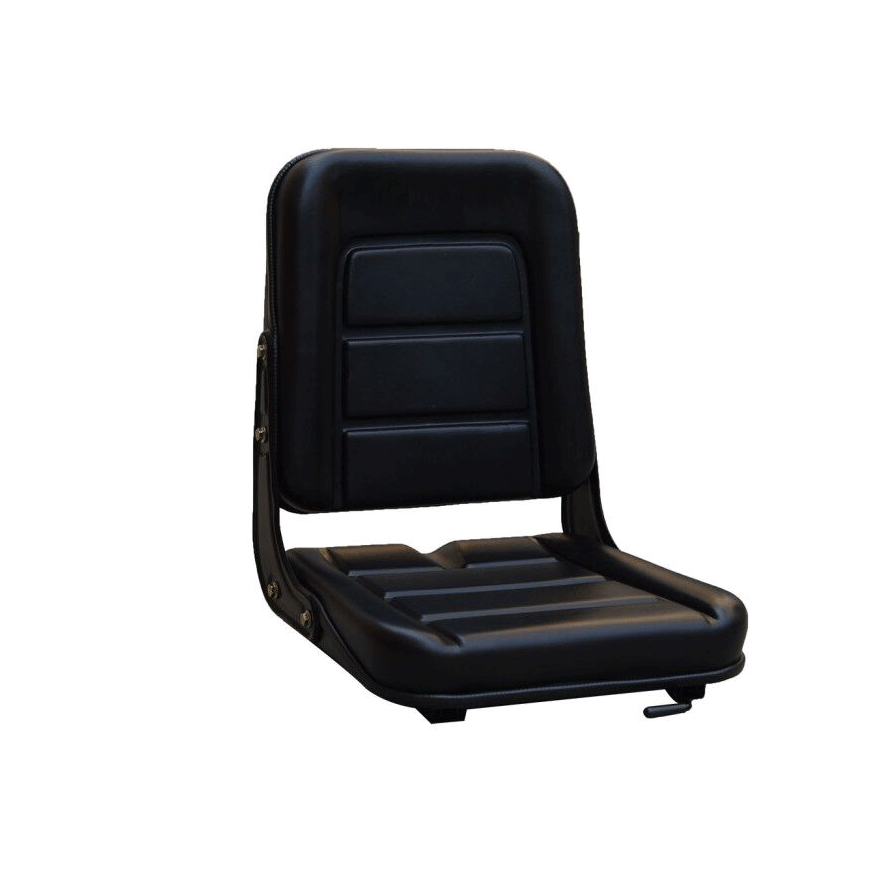
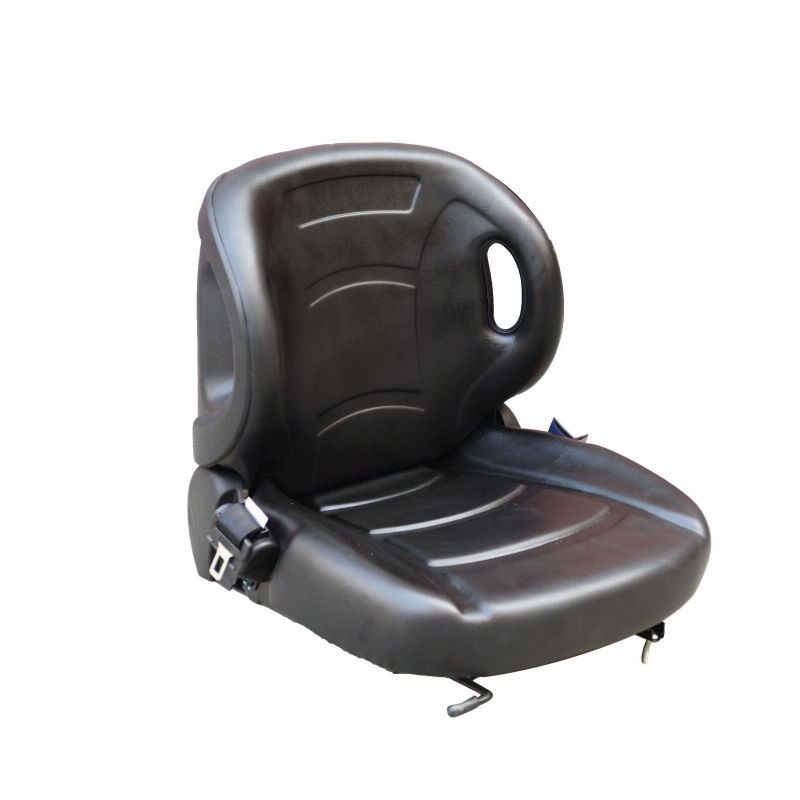
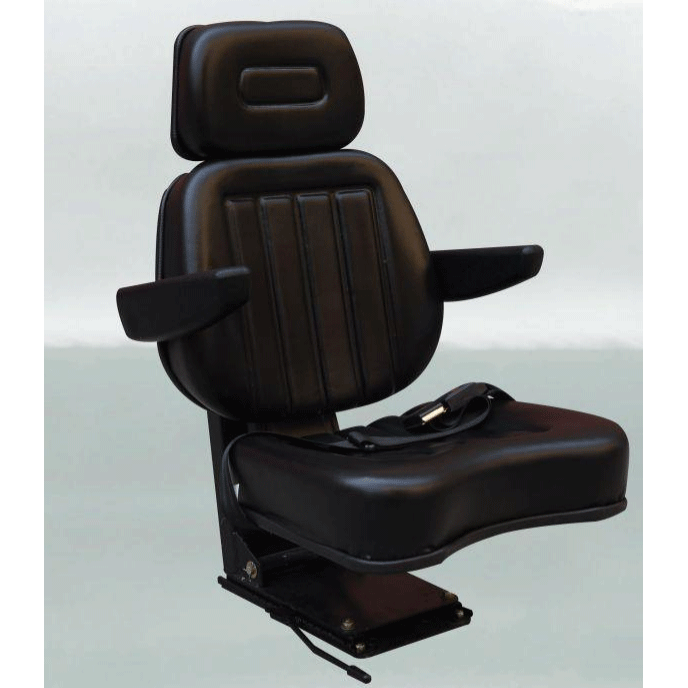
Under the vinyl you’ll find dense molded foam, and beneath that, a powder-coated steel frame with mechanical suspension. It’s not fussy; it’s just tough.
| Parameter | FD-808-3 Seat (≈ / typical) |
|---|---|
| Frame | Powder-coated steel, welded |
| Cushioning | High-density molded PU foam; ergonomic contour |
| Cover | Durable black vinyl, water/UV resistant |
| Suspension travel | ≈ 70–90 mm mechanical coil (real-world may vary) |
| Adjustments | Backrest tilt with lock; fore-aft slide ≈ 150 mm |
| Mounting | Common rail pattern ≈ 230×280 mm (others on request) |
| Weight | ≈ 13–16 kg |
| Origin | Yuhua District, Shijiazhuang, Hebei, China |
How it’s made and tested
Materials: powder-coated steel, molded PU foam, UV-stable vinyl. Methods: CNC laser cutting, robotic welding, foam molding, and QC checks at each station. Testing: seat rails and backrest locks cycle-tested; suspension characterized on a shaker rig. Company data (75 kg occupant equivalent) shows vibration transmissibility ≤ 0.8 in the 4–8 Hz band on ISO 7096 profiles—good news for all-day operators [1]. Seatbelt anchorage compatibility is designed with ISO 3776 principles in mind; always verify with the specific tractor bracket kit [2]. Expected service life? Around 5–8 seasons under mixed-weather use, assuming sane maintenance.
Where it fits
Typical installs include row-crop tractors, compact utility tractors, small harvesters, and municipal mowers. Many customers say the adjustable backrest helps on hilly ground and for multi-operator fleets. And yes, you can wipe the vinyl clean after a muddy hookup—been there.
Vendor comparison (real-world buyer notes)
| Vendor / Model | Suspension | Customization | Lead Time | Price Band | Notes |
|---|---|---|---|---|---|
| FD-808-3 | Mechanical (≈80 mm) | Rails, foam density, covers | Short–medium | Value–Mid | Strong durability for the cost |
| Grammer MSG series (ref.) | Air or mechanical (model-dependent) | High—OEM kits | Medium | Premium | Excellent vibration reduction |
| Sears Seating ag (ref.) | Air (12V) and mechanical | OEM-focused | Medium | Premium | Great for high-hour fleets |
Note: models noted as “ref.” are category examples; specs vary by exact variant.
Customization and install tips
- Rails and adapters for mixed-brand tractors
- Foam firmness options for lighter/heavier operators
- Vinyl grades for hot, high-UV regions
- Armrests and seat switches for safety interlock circuits
Small thing, but critical: verify belt anchorages meet ISO 3776 and torque specs during install. Many injuries are preventable with proper fitment.
Quick case note
A wheat grower near Shijiazhuang swapped three legacy seats for FD-808-3 units mid-season. Feedback after 300+ hours: fewer end-of-day back aches, cleaner cab (vinyl wipes down fast), and no play in the backrest locks. Not a lab study, sure, but the kind of field report I trust.
If you’re browsing for a seat solutions tractor seat that balances cost and comfort, this model is, to be honest, an easy shortlist pick. And if vibration is your concern, ask for the test sheet—data beats guesswork every time.
References
- ISO 7096:2020 — Earth-moving machinery — Laboratory evaluation of operator seat vibration.
- ISO 3776-1/2:2013 — Tractors and machinery for agriculture and forestry — Seat belts and belt anchorages.
- ISO 2631-1:1997 — Mechanical vibration and shock — Evaluation of human exposure to whole-body vibration.
- NIOSH: “Whole-Body Vibration” Health Effects and Prevention Guidance. https://www.cdc.gov/niosh/
Post time: Oct . 27, 2025 19:05