
The Ultimate Guide to Steel Tractor Rims: Durability and Performance
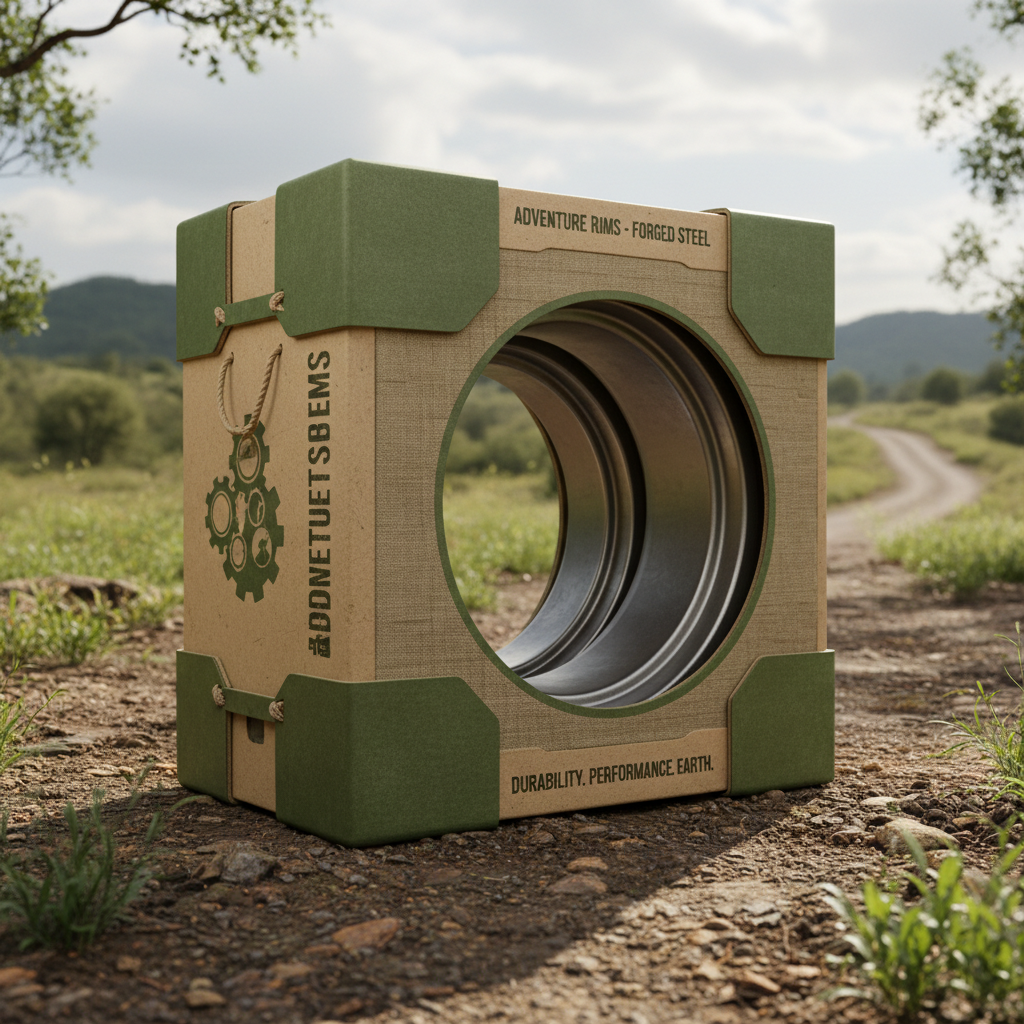
When it comes to heavy-duty agricultural machinery, the foundation of your tractor's performance lies in its wheels. High-quality steel tractor rims are essential for ensuring stability, load-bearing capacity, and overall efficiency in the field. Whether you are dealing with soft soil, rocky terrain, or heavy hauling, the right rim can significantly reduce tire wear and improve fuel economy. In this comprehensive guide, we will explore why steel remains the preferred material for tractor rims and how to choose the perfect specifications for your agricultural needs.
Why Choose Steel Tractor Rims Over Alternatives?
In the world of farming, reliability is everything. steel tractor rims are renowned for their exceptional impact resistance and structural integrity. Unlike alloy wheels, which may crack under extreme stress or heavy impact with hidden rocks, steel rims tend to bend rather than shatter. This characteristic is vital for farmers who cannot afford sudden downtime during peak harvest seasons. Furthermore, steel is significantly more cost-effective to manufacture and repair, making it the pragmatic choice for large-scale agricultural operations.
Pro Tip: Always check for a high-quality powder coating or galvanized finish on your steel rims to prevent rust and corrosion caused by fertilizers and moisture.
Key Technical Specifications for Steel Tractor Rims
Selecting the right rim requires a deep understanding of measurements. From the offset to the bolt pattern, every millimeter counts to ensure a perfect fit and safe operation. High-grade steel tractor rims are engineered to handle immense vertical loads while maintaining a secure bead lock for the tire. Below is a detailed specifications table commonly found in professional-grade agricultural rims.
Maintenance Tips for Long-Lasting Steel Tractor Rims
To maximize the lifespan of your steel tractor rims, a proactive maintenance routine is essential. First, regularly inspect the rims for any signs of deep scratches or peeling paint, as these are the primary entry points for oxidation. If you find damage, sand the area and apply a touch-up paint immediately. Second, ensure that the lug nuts are torqued to the manufacturer's specifications; over-tightening can warp the rim flange, while under-tightening can lead to dangerous vibrations during operation.
Comparing Steel Rims vs. Alloy Rims for Agriculture
While alloy rims are popular in the automotive industry for their aesthetics and weight reduction, they are rarely the first choice for heavy-duty farming. The primary reason is the ductility of steel. When a tractor hits a hidden stump, a steel rim may dent, which can often be hammered back into shape. An alloy rim, being more brittle, is more likely to crack. For those managing large fleets, the ease of repair and lower replacement cost of steel tractor rims makes them the undisputed champion of the field.
Steel Advantage Summary:
• Higher Durability: Better resistance to heavy impacts.
• Easier Repair: Dents are fixable; cracks in alloy are not.
• Lower Cost: More economical for bulk procurement.
• Stability: Ideal for carrying massive payloads in soft soil.
Installing and Balancing Steel Tractor Rims
Correct installation is key to avoiding premature tire wear. When mounting steel tractor rims, always ensure the mounting surface is clean and free of debris. Using a calibrated torque wrench is non-negotiable. For larger rims, balancing may be necessary to prevent oscillations at higher transport speeds. Proper balancing reduces the stress on the tractor's axles and bearings, extending the overall life of the vehicle's drivetrain and ensuring a smoother ride for the operator.
Conclusion: Optimizing Your Fleet with Steel Tractor Rims
Investing in premium steel tractor rims is a strategic decision for any agricultural business. By prioritizing durability, load capacity, and ease of maintenance, you ensure that your machinery remains operational throughout the toughest seasons. From the precision of the specifications to the robustness of the material, steel continues to be the gold standard for farm wheels. Enhance your tractor's efficiency and longevity by choosing the right rims today.
Frequently Asked Questions (FAQs)
How do I know which size of steel tractor rims I need?
Determining the correct size involves checking your tractor's original equipment manufacturer (OEM) manual or looking at the existing rims. You need to identify the rim diameter, the width, and the offset. The offset is particularly important as it determines how far the tire extends from the axle, affecting the tractor's track width and stability. If you are upgrading or changing tire sizes, it is highly recommended to consult with a professional supplier like Changshuo to ensure the rim can handle the new load specifications and fits the hub perfectly.
Can steel tractor rims be repainted if they start to rust?
Yes, one of the biggest advantages of steel is that it can be refurbished. To properly repaint your rims, you should first remove all loose rust using a wire brush or sandpaper. Once the surface is smooth and clean, apply a rust-inhibiting primer. Finally, use a heavy-duty agricultural-grade paint or powder coating to seal the metal. This process not only restores the appearance of the rims but also protects the structural integrity of the steel from further corrosion caused by harsh field chemicals and moisture.
What is the difference between a beadlock and a standard steel rim?
A standard rim relies on air pressure to hold the tire bead against the rim flange. In contrast, a beadlock rim features a mechanical ring that clamps the tire bead firmly to the rim. This is crucial for tractors operating at very low tire pressures to increase the footprint and reduce soil compaction. Without a beadlock, a tire might "burp" or slip off the rim during a sharp turn or under heavy load at low pressure. For specialized soil work, steel tractor rims with beadlock options are highly recommended.
How often should I check the torque on my rim bolts?
It is recommended to check the torque on your rim bolts after the first 50 hours of use following a new installation. After that, a quarterly check or a check before each major season (spring planting and autumn harvest) is a good rule of thumb. Vibrations from heavy fieldwork can occasionally loosen nuts. Ensuring they are tight prevents uneven wear on the hub and prevents the rim from shifting, which could otherwise lead to catastrophic failure during transport or heavy lifting.
Post time: Apr . 16, 2026 02:35
NEXT:
This is the last article